Long exposure and night photography is a technique where the camera’s shutter remains open for an extended period, allowing more light to reach the sensor. This method is especially useful in low-light or nighttime conditions, capturing details invisible to the naked eye. It creates dramatic effects such as smooth water, light trails from cars, and star trails in the sky, resulting in striking, ethereal images that highlight motion and illuminate dark scenes.
Long Exposure and Night Photography
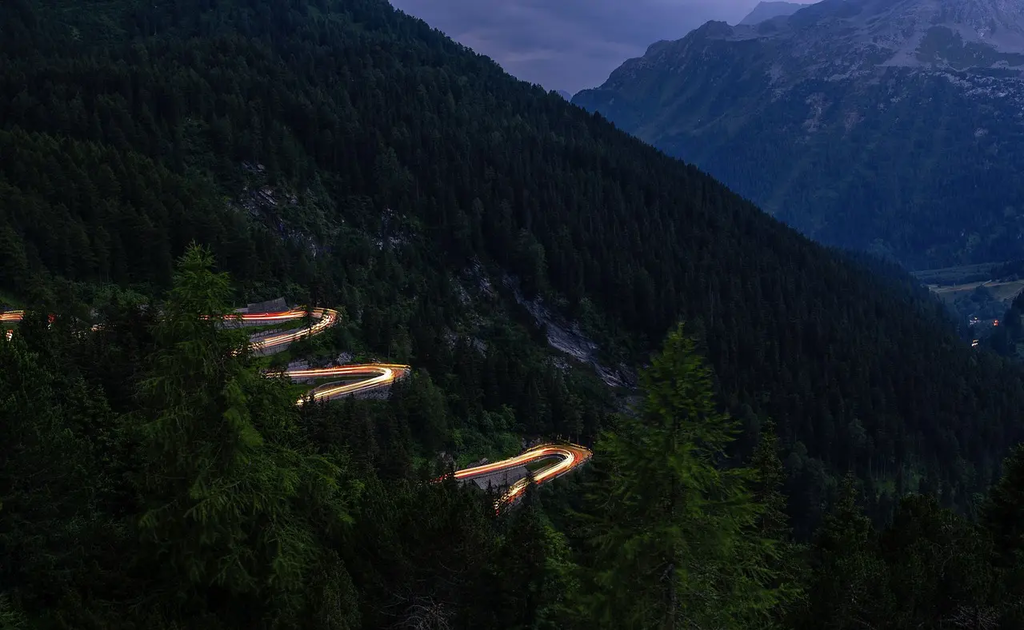
Long exposure and night photography is a technique where the camera’s shutter remains open for an extended period, allowing more light to reach the sensor. This method is especially useful in low-light or nighttime conditions, capturing details invisible to the naked eye. It creates dramatic effects such as smooth water, light trails from cars, and star trails in the sky, resulting in striking, ethereal images that highlight motion and illuminate dark scenes.
💡 Key Takeaways
- Explain how long exposure affects brightness, motion blur, and light trails in night photography.
- Identify essential camera settings for night shots (shutter speed, aperture, ISO) and how to balance them for clear results.
- Apply techniques to keep shots sharp and reduce noise (tripod, remote shutter, long-exposure noise reduction, bracketing).
- Recognize common creative effects of long exposure at night (star trails, car light trails, silky water) and how to plan shots.
❓ Frequently Asked Questions
What is long exposure photography?
A technique where the shutter stays open longer than normal, letting in more light and creating effects like light trails and silky water.
Why shoot at night with long exposure?
Night scenes are dark; long exposure collects light over time, revealing details and motion invisible in short shots, often with dramatic results.
What camera settings are typical for long exposure night photography?
Use a tripod; shutter speed from seconds to minutes; a smaller aperture (higher f-number) and low ISO to reduce noise; manual focus helps in the dark.
What gear helps prevent blur and noise in long-exposure night shots?
A sturdy tripod, a remote shutter release or timer, and a low ISO with careful exposure to minimize noise.