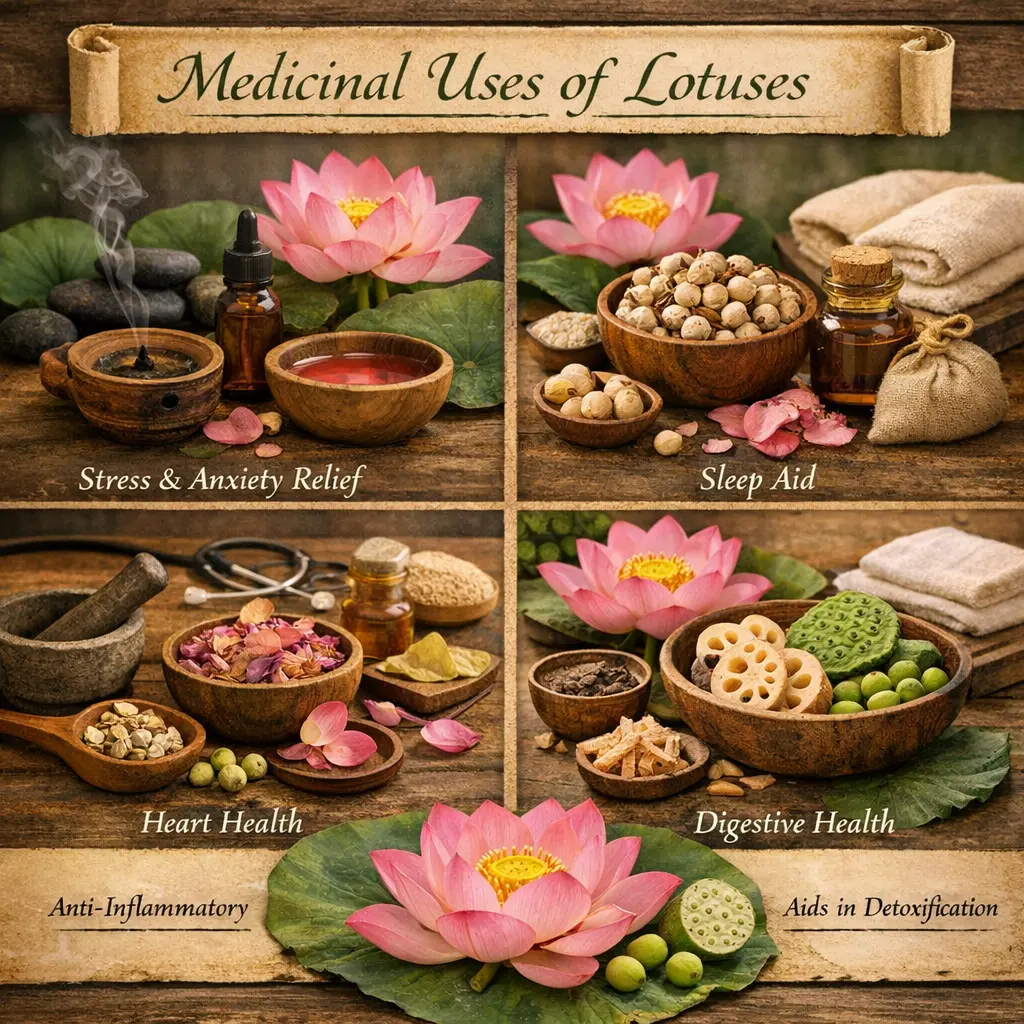
Lotus breeding techniques involve the careful selection and cross-pollination of lotus plants to develop new varieties with desirable traits such as vibrant colors, unique petal shapes, and increased bloom size. Similar to rose breeding, this process includes controlled pollination, seed collection, and cultivation of seedlings. Breeders often focus on enhancing flower longevity, disease resistance, and adaptability to various climates, resulting in more diverse and resilient lotus and rose blooms for ornamental and horticultural purposes.
Lotus Breeding Techniques
Lotus breeding techniques involve the careful selection and cross-pollination of lotus plants to develop new varieties with desirable traits such as vibrant colors, unique petal shapes, and increased bloom size. Similar to rose breeding, this process includes controlled pollination, seed collection, and cultivation of seedlings. Breeders often focus on enhancing flower longevity, disease resistance, and adaptability to various climates, resulting in more diverse and resilient lotus and rose blooms for ornamental and horticultural purposes.

💡 Key Takeaways
- Understand lotus reproductive biology and common breeding goals.
- Learn traditional breeding methods like cross-pollination and selection.
- Explore modern lotus-breeding techniques such as tissue culture and genetic markers.
- Identify key traits breeders target, including flower color, size, fragrance, rhizome vigor, and disease resistance.
❓ Frequently Asked Questions
What is the main goal of lotus breeding?
To develop new lotus cultivars with desirable traits such as flower color, size, shape, fragrance, plant vigor, and disease resistance.
How is lotus hybridization typically performed?
Breeders perform controlled cross-pollination by hand: collect pollen from a male parent and apply it to the stigma of a female parent when flowers are receptive, often using bags to prevent unintended pollen.
What propagation methods are used in lotus breeding?
Sexual propagation via seeds to create new genetic combinations, and asexual (rhizome) propagation to clone promising lines. Some breeders also use polyploidy induction to create larger flowers or stronger plants.
Why might lotus seeds require pretreatment to germinate?
Lotus seeds have hard outer coats; pretreatments like scarification or soaking can improve germination, which may take several weeks to months.