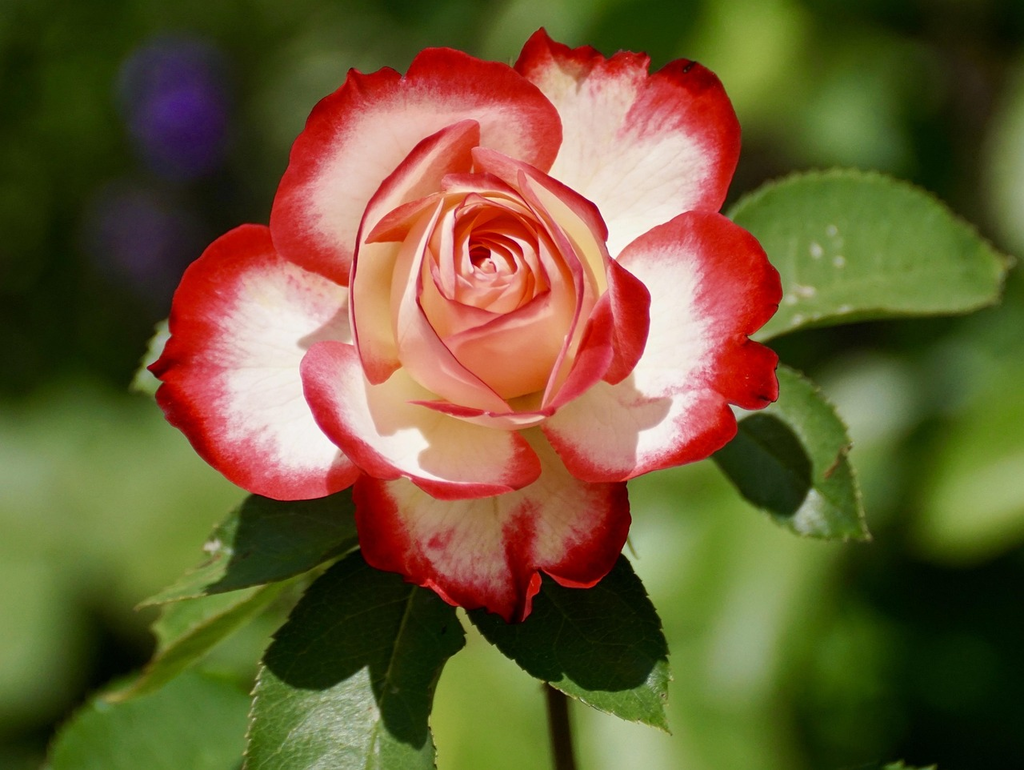
Lotus cultivation in arid regions involves innovative agricultural techniques to grow water-loving flowers, such as lotuses and sometimes roses, in dry climates. This process often utilizes efficient irrigation systems, water conservation methods, and soil amendments to create suitable conditions for these blooms. Successful cultivation not only enhances local biodiversity and aesthetics but also provides economic opportunities through floriculture, demonstrating how adaptation and technology can overcome environmental challenges.
Lotus Cultivation in Arid Regions
Lotus cultivation in arid regions involves innovative agricultural techniques to grow water-loving flowers, such as lotuses and sometimes roses, in dry climates. This process often utilizes efficient irrigation systems, water conservation methods, and soil amendments to create suitable conditions for these blooms. Successful cultivation not only enhances local biodiversity and aesthetics but also provides economic opportunities through floriculture, demonstrating how adaptation and technology can overcome environmental challenges.
💡 Key Takeaways
- Understand the environmental needs of lotus plants in arid regions, including sunlight, warm temperatures, and optimal water depth.
- Learn water management strategies for lotus cultivation in water-scarce areas, such as efficient irrigation, mulching, and rainwater harvesting.
- Explore soil and propagation requirements for lotus in arid climates, including soil type, pH, and rhizome planting techniques.
- Identify common challenges in arid lotus cultivation (salinity, pests, diseases, and nutrient management) and practical mitigation approaches.
❓ Frequently Asked Questions
What climate and water conditions are best for lotus cultivation, and how can they be achieved in arid regions?
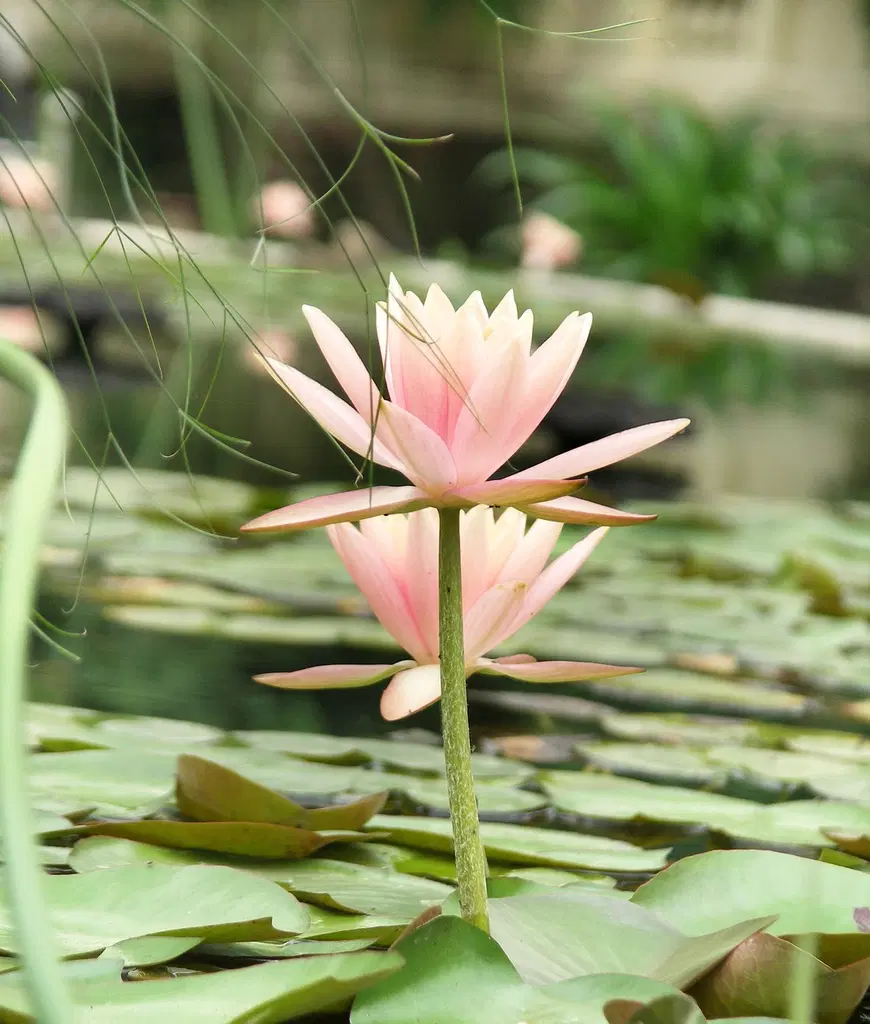
Lotus thrives in warm, sunny conditions with still, clean standing water. In arid regions, use a lined pond or large container, shade during peak heat to reduce evaporation, and maintain a stable water depth to support growth.
What soil and nutrient requirements are suitable for lotus cultivation in arid areas?
Lotus grows best in nutrient-rich, heavy soil (clay-loam) with good water-holding capacity and a neutral to slightly acidic pH. Add compost and balanced fertilizer gradually to feed rhizomes without promoting algae.
How should lotus be planted or propagated in arid climates?
Propagate from rhizomes. Plant in a wide, sturdy container with soil, place the crown just above the soil, then submerge the container in shallow water and gradually deepen as the plant grows.
What are common challenges in arid lotus cultivation and quick fixes?
Key issues include water evaporation, heat stress, and algae or pests. Mitigate by mulching, using shade cloth, maintaining steady water levels, avoiding nutrient surges, and monitoring for pests; ensure good water quality.