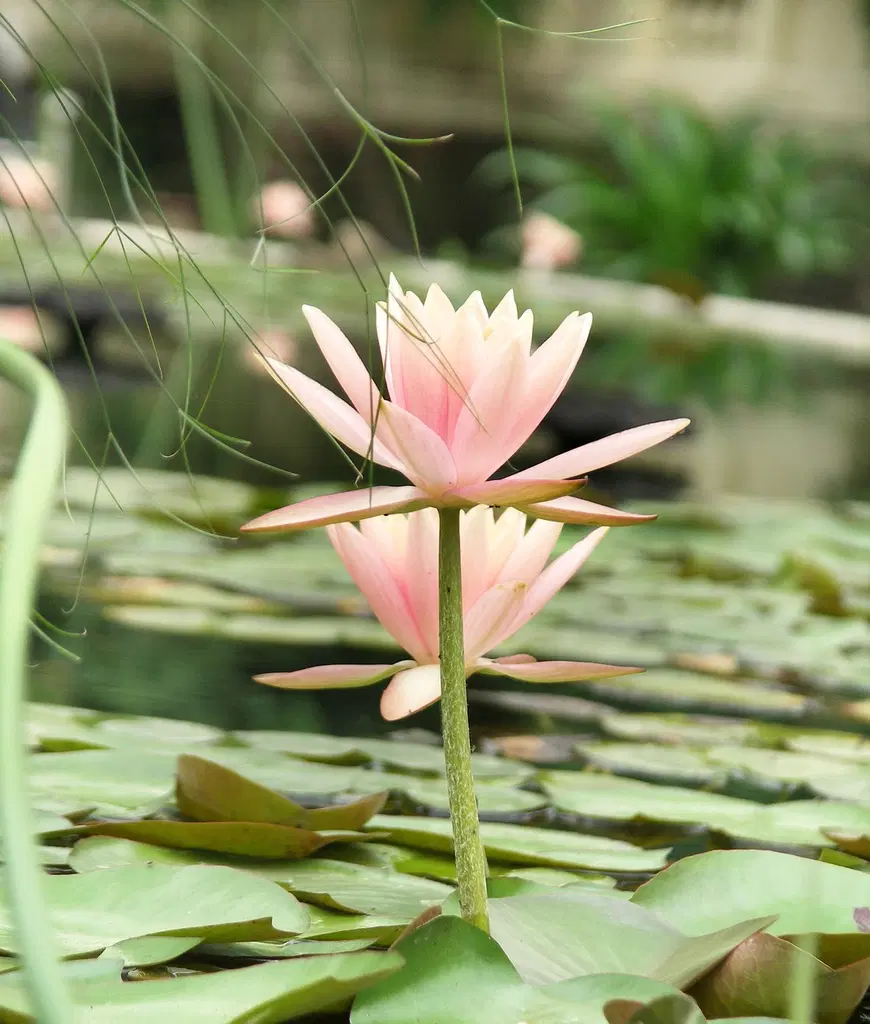
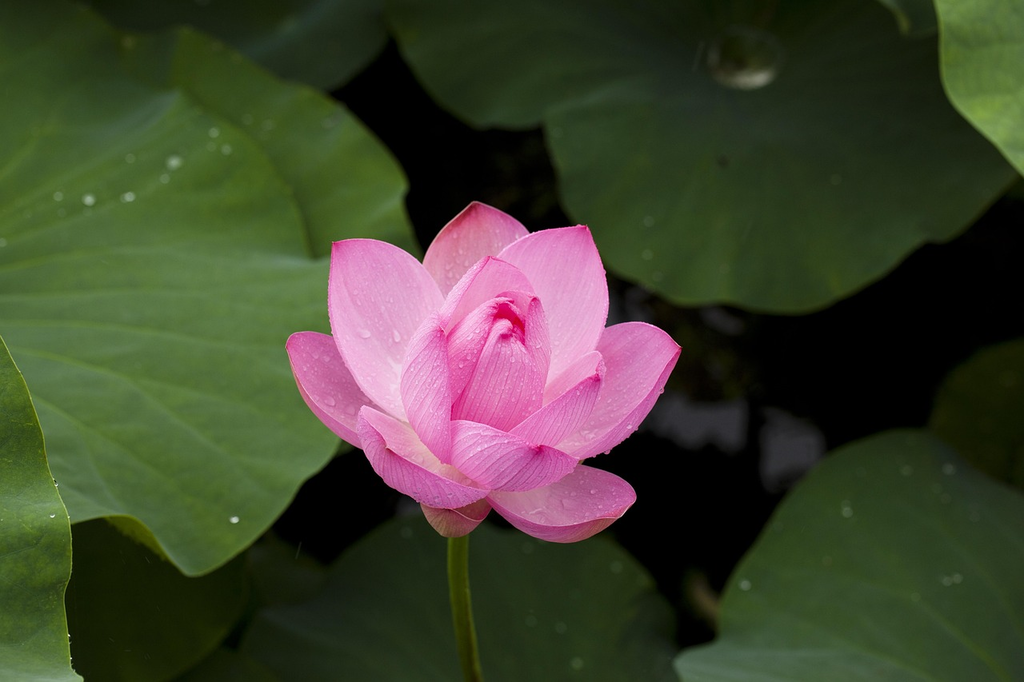
Lotus genetic diversity refers to the wide range of genetic variations found within lotus plants, particularly in their flower blooms. This diversity leads to differences in color, shape, size, and blooming patterns among lotuses, similar to the variation seen in roses. Such genetic diversity is crucial for the adaptation, resilience, and ornamental value of lotus flowers, enabling them to thrive in various environments and contributing to their beauty and ecological significance.
Lotus Genetic Diversity
Lotus genetic diversity refers to the wide range of genetic variations found within lotus plants, particularly in their flower blooms. This diversity leads to differences in color, shape, size, and blooming patterns among lotuses, similar to the variation seen in roses. Such genetic diversity is crucial for the adaptation, resilience, and ornamental value of lotus flowers, enabling them to thrive in various environments and contributing to their beauty and ecological significance.
💡 Key Takeaways
- Understand why genetic diversity matters for lotus species, gardens, and ecosystems
- Identify major lotus species and how their genetics differ (e.g., sacred lotus vs. American lotus)
- Learn common methods to assess lotus genetic diversity (DNA markers, sequencing, germplasm collections)
- See how genetic diversity guides lotus breeding, conservation, and trait selection (flowers, disease resistance, environmental tolerance)
❓ Frequently Asked Questions
What is genetic diversity in lotus?
Genetic diversity is the variety of genes within lotus populations (Nelumbo nucifera), enabling adaptation to environments and providing material for breeding.
Why does lotus genetic diversity matter for conservation and breeding?
It ensures resilience to pests and climate changes, preserves desirable traits (e.g., flower color, seed vigor), and expands options for developing improved cultivars.
How is lotus genetic diversity measured?
Scientists use DNA markers (SSR, SNP), genome sequencing, and population metrics like heterozygosity and genetic differentiation (FST) to quantify variation.
What threatens lotus genetic diversity?
Habitat loss, overharvesting, pollution, and breeding bottlenecks can reduce gene pools and limit variation.
How can diversity be protected and enhanced?
Conserve wild populations, maintain germplasm banks, promote crossing among diverse lines, and avoid excessive inbreeding in breeding programs.