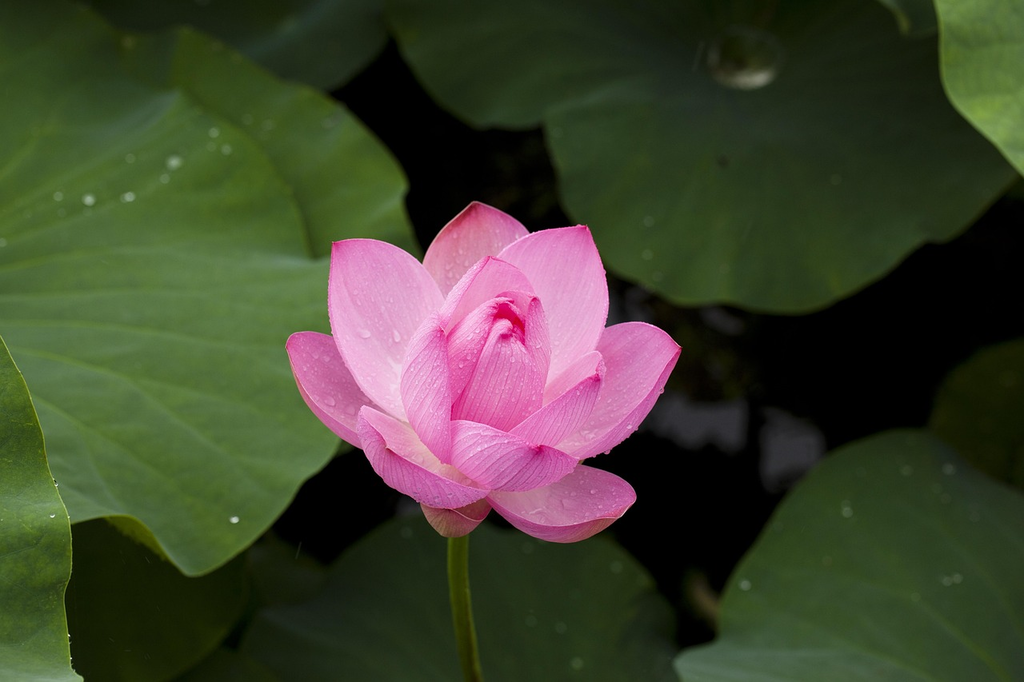
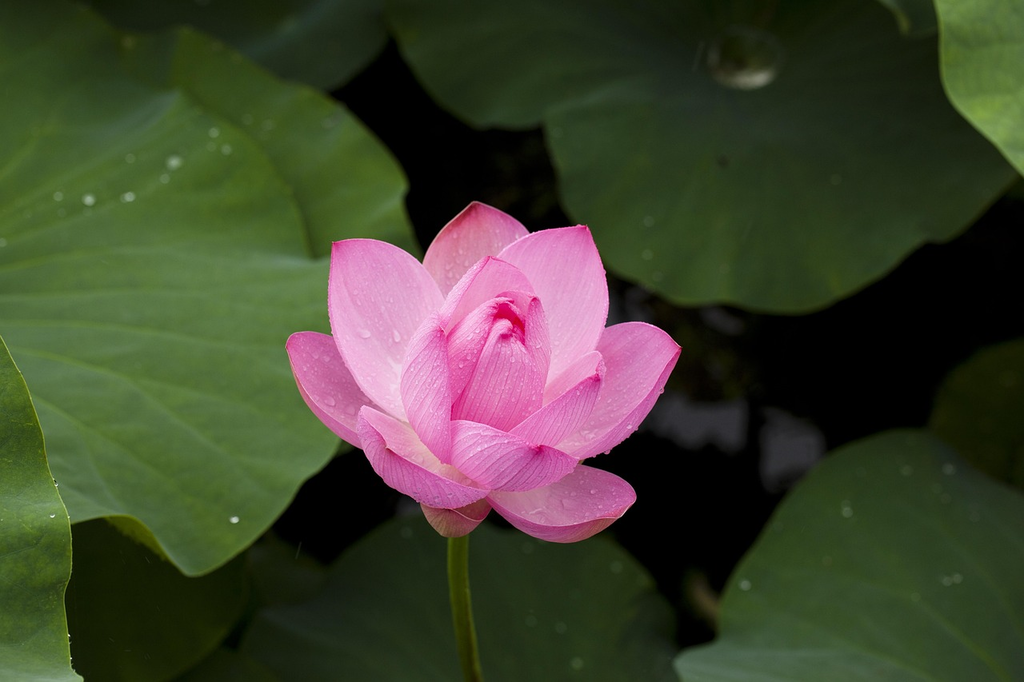
Lotus preservation techniques refer to methods used to maintain the freshness and beauty of lotus and rose blooms after harvesting. These techniques include air drying, silica gel drying, glycerin immersion, and refrigeration, which help retain the flowers’ color, shape, and texture. Proper handling, such as gentle cutting and immediate hydration, is crucial. Such preservation allows lotus and rose flowers to be used in decorative arrangements, keepsakes, and cultural displays long after their natural blooming period.
Lotus Preservation Techniques
Lotus preservation techniques refer to methods used to maintain the freshness and beauty of lotus and rose blooms after harvesting. These techniques include air drying, silica gel drying, glycerin immersion, and refrigeration, which help retain the flowers’ color, shape, and texture. Proper handling, such as gentle cutting and immediate hydration, is crucial. Such preservation allows lotus and rose flowers to be used in decorative arrangements, keepsakes, and cultural displays long after their natural blooming period.
💡 Key Takeaways
- Harvest lotus carefully to preserve color and structure.
- Dry properly (air- or shade-drying) to maintain texture and prevent mold.
- Store preserved lotus in cool, dry, and dark conditions to extend shelf life.
- Apply part-specific preservation tips for flowers, seeds, roots, and leaves.
❓ Frequently Asked Questions
What is lotus preservation and why is it important?
Lotus preservation involves protecting lotus seeds, rhizomes, or flowers to maintain their viability and appearance for future growth or display. It supports propagation, biodiversity, and cultural value.
How should lotus seeds be stored for long-term viability?
Store seeds in a cool, dry, airtight container with a desiccant if possible. Keep them out of direct sunlight and moisture to maintain germination rates.
What is the best method to dry lotus petals or flowers for display?
Air-dry petals in a dark, well-ventilated area, or use silica gel to speed drying while preserving color and shape; avoid direct sun.
How can lotus rhizomes be preserved through winter?
Clean and dry rhizomes, then store in a cool, dry place or in slightly moist peat or sand in a ventilated container. Avoid freezing temperatures.