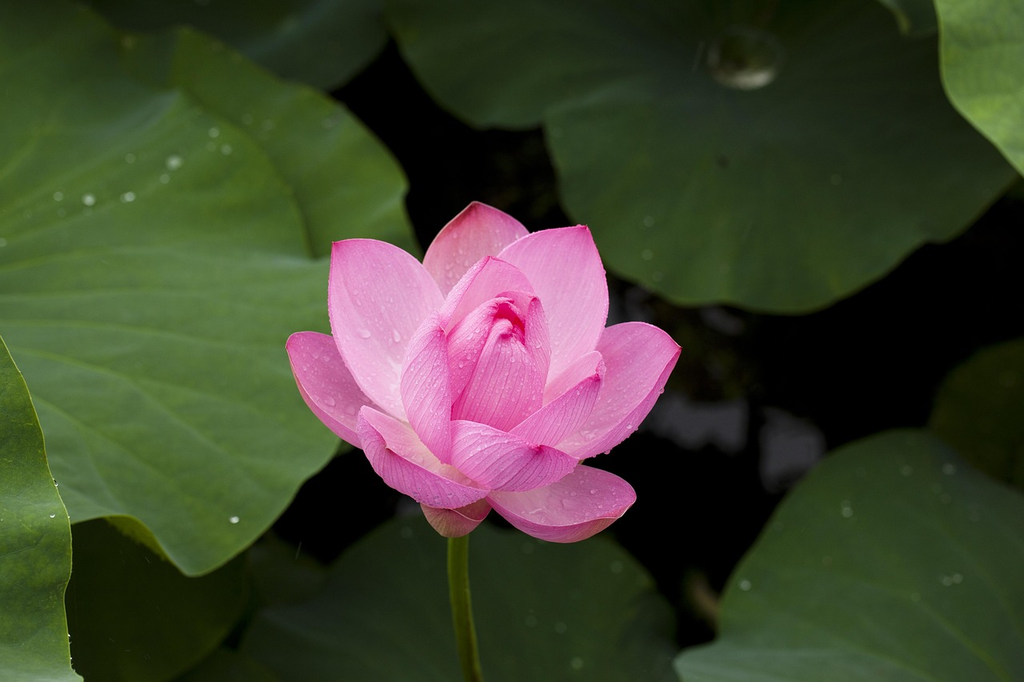
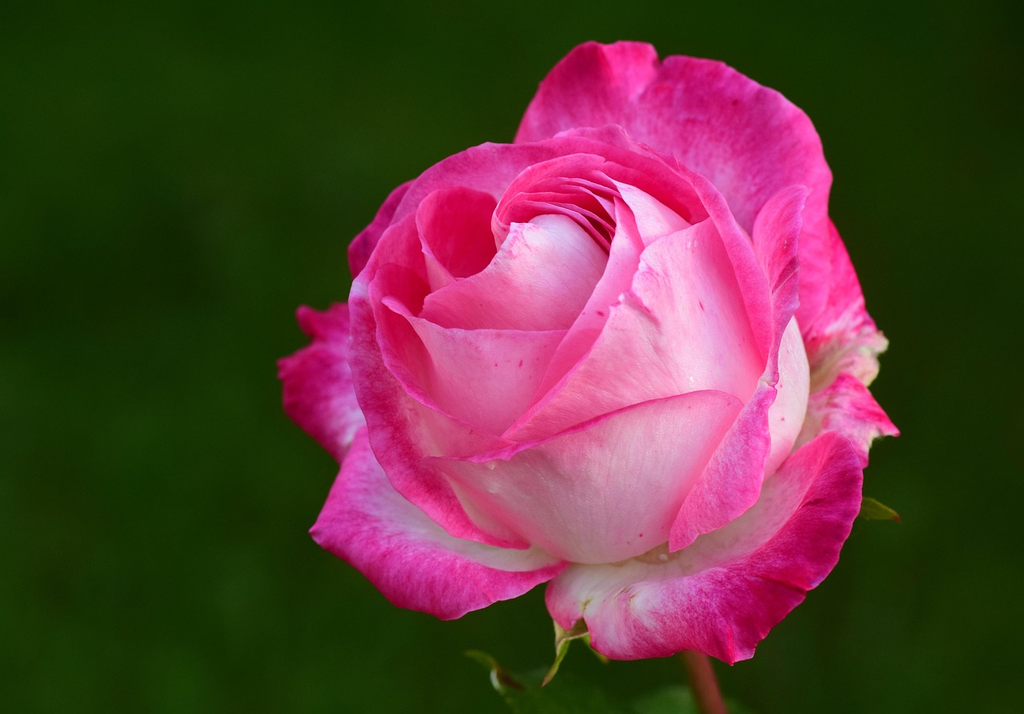
Lotus pruning techniques focus on removing dead or damaged leaves, spent blooms, and thinning overcrowded stems to promote healthy growth and abundant flowering. Similar to rose pruning, these methods encourage better air circulation and sunlight penetration, reducing disease risk. Proper timing and gentle cuts above nodes stimulate new shoots, resulting in more vibrant and prolific lotus and rose blooms throughout the growing season. Regular maintenance ensures long-lasting, beautiful flowers.
Lotus Pruning Techniques
Lotus pruning techniques focus on removing dead or damaged leaves, spent blooms, and thinning overcrowded stems to promote healthy growth and abundant flowering. Similar to rose pruning, these methods encourage better air circulation and sunlight penetration, reducing disease risk. Proper timing and gentle cuts above nodes stimulate new shoots, resulting in more vibrant and prolific lotus and rose blooms throughout the growing season. Regular maintenance ensures long-lasting, beautiful flowers.
💡 Key Takeaways
- Identify and remove dead or damaged leaves, spent blooms, and overcrowded stems on lotus.
- Understand how pruning improves air circulation and light exposure, reducing disease risk.
- Learn the appropriate timing for lotus pruning (e.g., after flowering) to maximize blooms.
- Use clean, sharp tools and proper cuts to protect rhizomes and promote vigorous growth.
❓ Frequently Asked Questions
What is the purpose of pruning lotus?
To remove dead or damaged leaves, spent blooms, and overcrowded stems; it improves air circulation, sunlight access, reduces disease risk, and encourages healthy growth and more flowers.
When should I prune lotus for best blooms?
Prune after flowering ends for the season, and perform light maintenance during the growing season. A larger prune can be done in late winter or early spring before new growth.
How do I prune lotus safely?
Use clean, sharp pruning tools. Cut spent flower stalks at the base, trim away yellow or dead leaves, and thin overcrowded stems near the rhizome. Remove debris to prevent disease.
How does lotus pruning compare to rose pruning?
The goals are similar: remove dead wood, thin crowded growth, and improve air flow and light. Roses are pruned for winter shaping and growth next season, while lotus pruning focuses on aquatic stems/leaves to keep the water area clear and promote flowering.