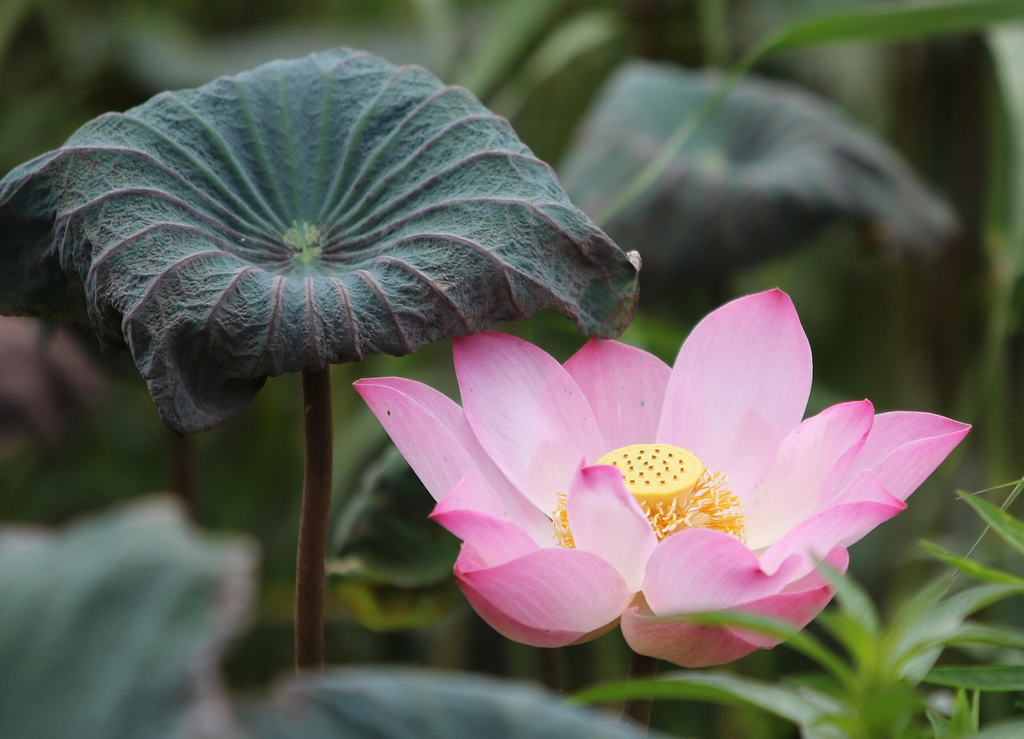
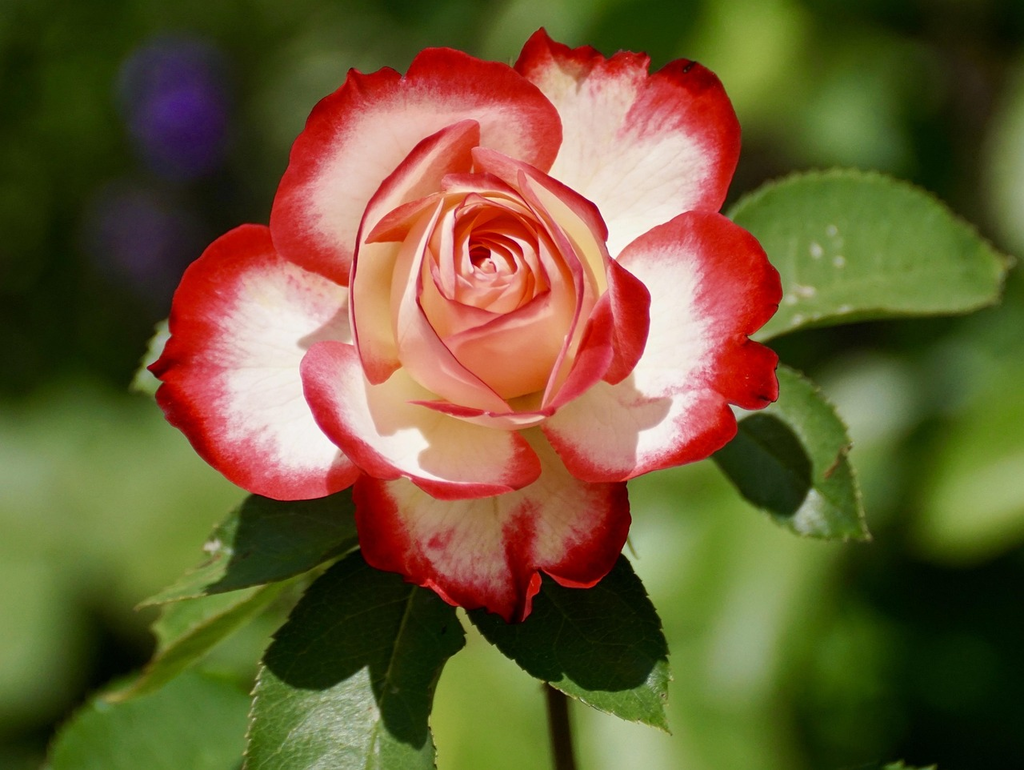
In literature, the lotus is often depicted as a symbol of purity, spiritual awakening, and resilience, blooming beautifully even in muddy waters. Unlike roses, which frequently represent love and passion, lotuses emphasize inner growth and transcendence over adversity. The contrast between the two flowers in literary works highlights differing themes: the lotus embodies enlightenment and renewal, while the rose centers on earthly emotions and romantic ideals.
Lotus Representation in Literature
In literature, the lotus is often depicted as a symbol of purity, spiritual awakening, and resilience, blooming beautifully even in muddy waters. Unlike roses, which frequently represent love and passion, lotuses emphasize inner growth and transcendence over adversity. The contrast between the two flowers in literary works highlights differing themes: the lotus embodies enlightenment and renewal, while the rose centers on earthly emotions and romantic ideals.
💡 Key Takeaways
- Understand the symbolic meanings of the lotus across cultures in literature (purity, spiritual awakening, rebirth, detachment).
- Identify how lotus imagery conveys themes like resilience, transformation, and cycles of life.
- Recognize typical settings and motifs where the lotus appears (ponds, water gardens, temples) and how they influence mood or tone.
- Compare lotus symbolism with related symbols or flowers and note cultural contexts (Eastern vs Western traditions).
- Analyze the literary devices used with lotus imagery (metaphor, motif, allegory) and how it supports character and theme.
❓ Frequently Asked Questions
What does the lotus typically symbolize in literature?
The lotus commonly stands for purity and spiritual awakening, rising clean from muddy waters; it also signals rebirth and enlightenment, though meanings can vary by context.
Which literary traditions most often use the lotus as a symbol?
Hindu and Buddhist traditions frequently use the lotus to denote spiritual growth and divine beauty; East Asian poetry and art also feature lotus symbolism; in Western texts, it can appear as an exotic or mystical image.
How is the lotus different from other flower symbols like the lily or rose?
The lotus grows in mud yet blooms above water, symbolizing inner purity and detachment; lilies often signify purity and renewal, while roses center on love and passion; context determines the exact meaning.
Can the lotus symbolize rebirth across cultures?
Yes. In Hinduism and Buddhism, the lotus is tied to creation, deities, and enlightenment, symbolizing spiritual rebirth; in literature, it can also suggest transformation or a journey toward insight.