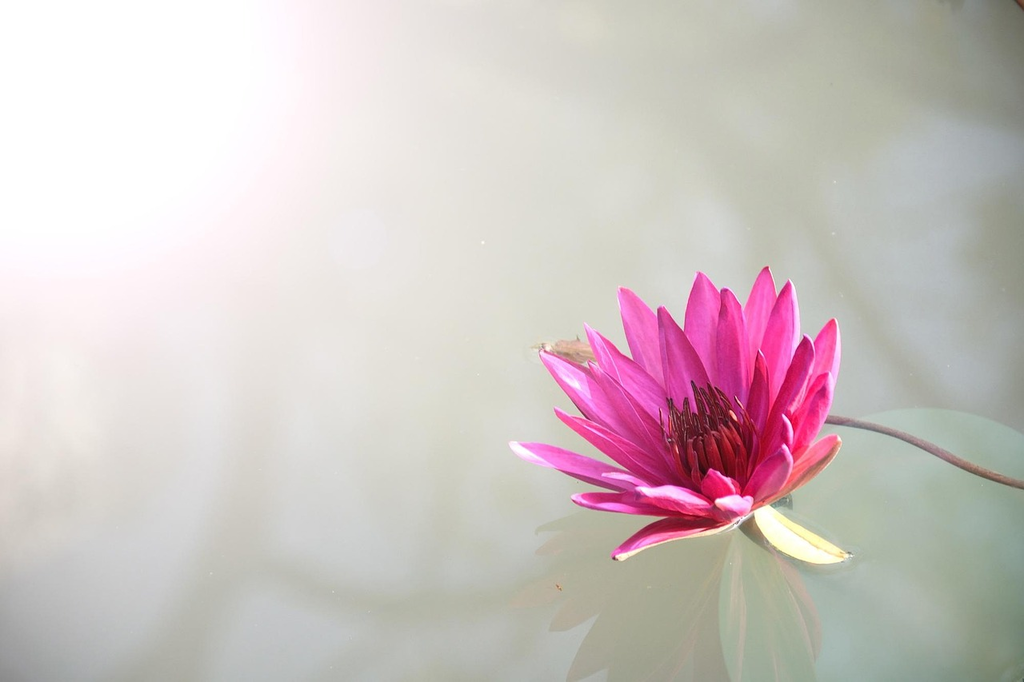
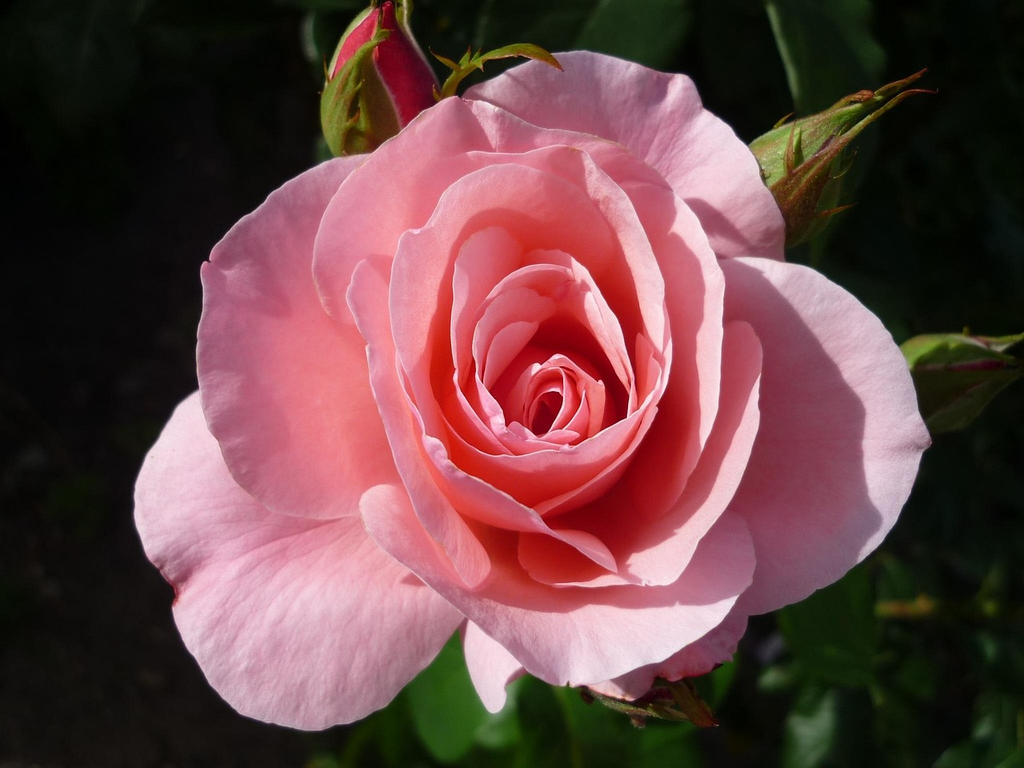
The lotus flower holds deep symbolic meaning in various cultures, often representing purity, rebirth, and spiritual awakening due to its ability to bloom beautifully from muddy waters. In Hinduism and Buddhism, the lotus signifies enlightenment and divine beauty, while ancient Egyptians saw it as a symbol of creation and the sun. Unlike roses, which often symbolize love and passion, the lotus emphasizes spiritual growth and the triumph of purity over adversity.
Lotus Symbolism in Different Cultures
The lotus flower holds deep symbolic meaning in various cultures, often representing purity, rebirth, and spiritual awakening due to its ability to bloom beautifully from muddy waters. In Hinduism and Buddhism, the lotus signifies enlightenment and divine beauty, while ancient Egyptians saw it as a symbol of creation and the sun. Unlike roses, which often symbolize love and passion, the lotus emphasizes spiritual growth and the triumph of purity over adversity.
💡 Key Takeaways
- Explore how the lotus symbolizes purity and spiritual awakening across Hinduism, Buddhism, and Jainism.
- Compare lotus symbolism in East Asian and South Asian cultures in art, literature, and religious imagery.
- Learn how lotus color meanings (white, pink, blue) convey different messages in various traditions.
- Identify famous lotus motifs in deities and sacred visuals (e.g., Lakshmi, Saraswati, and Buddha on a lotus throne).
- Understand the lotus as a metaphor for rising from muddy roots to bloom, symbolizing resilience and enlightenment.
❓ Frequently Asked Questions
What does the lotus symbolize in Hinduism?
Purity, beauty, and spiritual awakening; the lotus (Padma) is sacred to deities like Lakshmi and Saraswati.
How is the lotus symbolism used in Buddhism?
Represents enlightenment; its growth from muddy water mirrors spiritual awakening; colors denote aspects like purity (white), historical Buddha (pink), compassion (red), and wisdom (blue).
What is the significance of the blue lotus in ancient Egyptian culture?
Symbol of creation, rebirth, and the sun; associated with the sun god Ra and common in art and amulets.
What does the lotus symbolize in Chinese culture?
Purity, harmony, and fertility; frequently linked to Buddhist symbolism and feminine beauty in art and poetry.
Why is the lotus considered a symbol of resilience across cultures?
It grows in muddy water yet blooms pristine, signaling perseverance, purity, and spiritual growth in adversity.