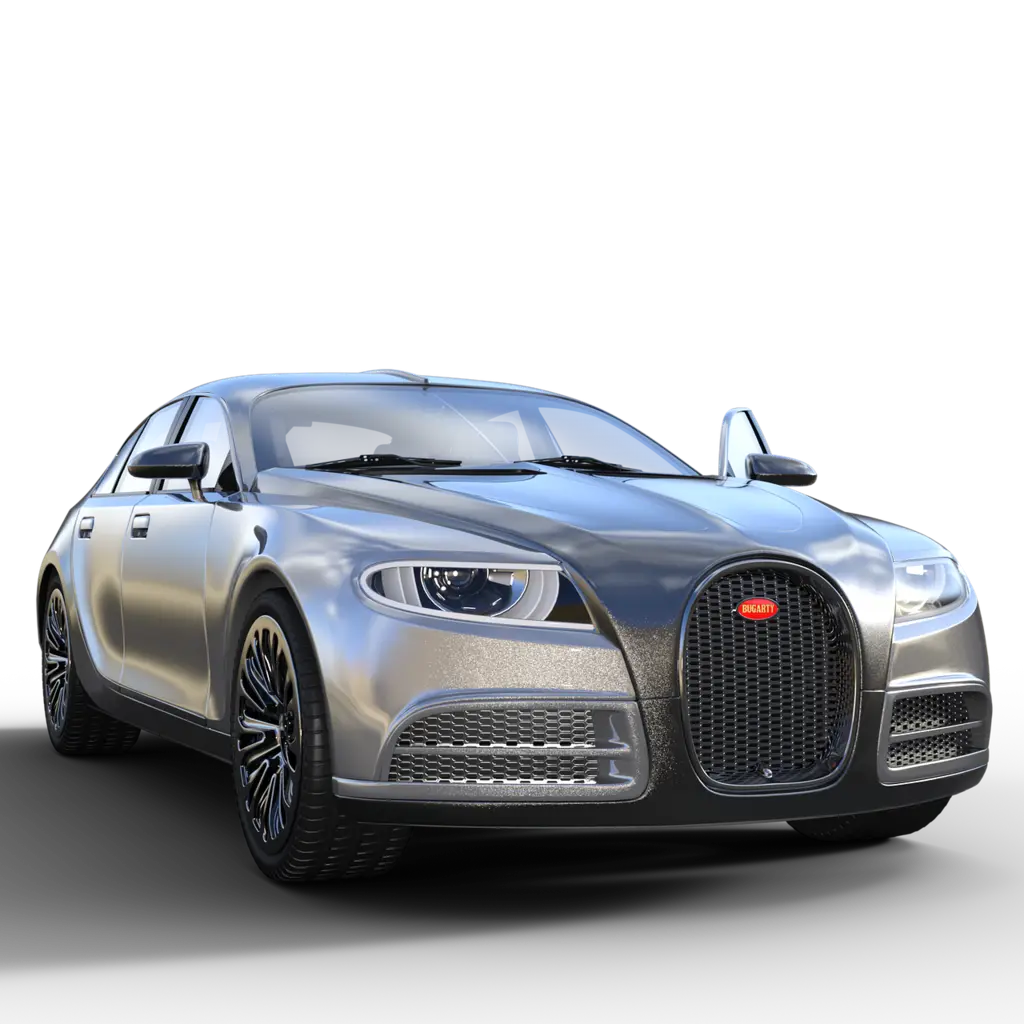
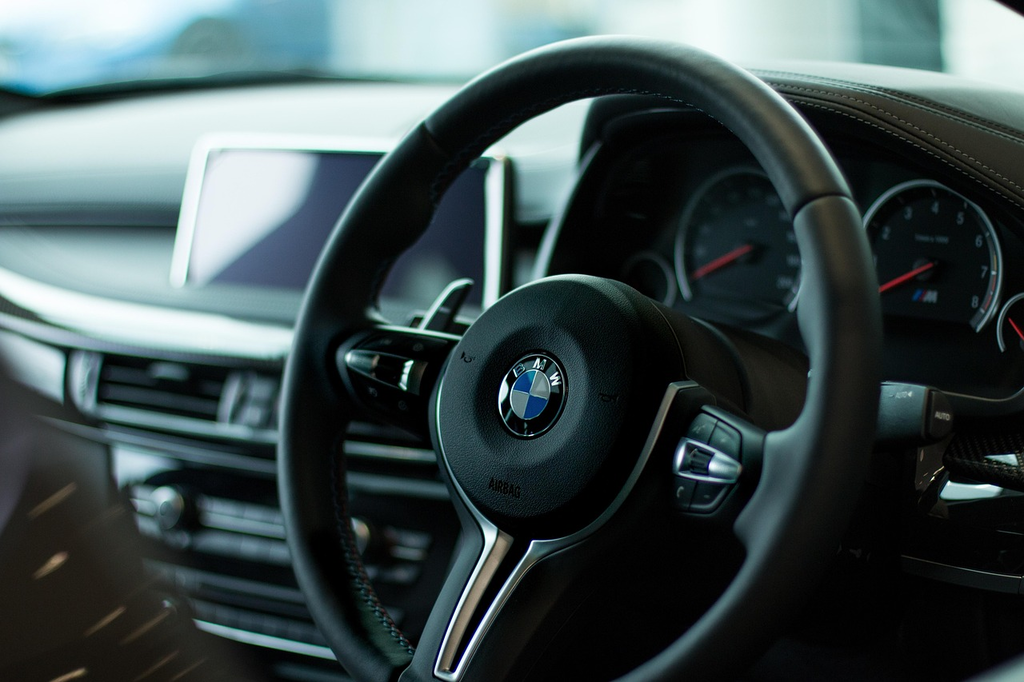
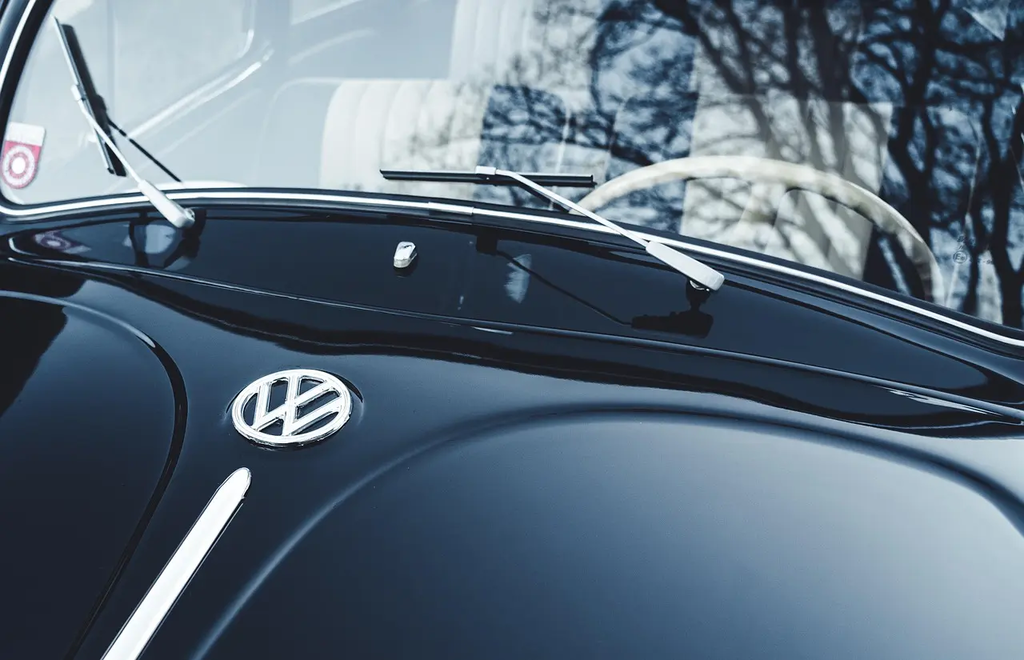
Luxury car brand market leadership refers to the dominant position certain premium automotive companies hold due to their reputation, innovation, and quality. These brands, often symbolized by iconic car logos, set trends in design, technology, and performance. Their logos, such as Mercedes-Benz’s star or BMW’s roundel, represent exclusivity and status, reinforcing their luxury image. Market leadership is maintained through superior craftsmanship, advanced features, and strong brand loyalty among affluent consumers.
Luxury Car Brand Market Leadership
Luxury car brand market leadership refers to the dominant position certain premium automotive companies hold due to their reputation, innovation, and quality. These brands, often symbolized by iconic car logos, set trends in design, technology, and performance. Their logos, such as Mercedes-Benz’s star or BMW’s roundel, represent exclusivity and status, reinforcing their luxury image. Market leadership is maintained through superior craftsmanship, advanced features, and strong brand loyalty among affluent consumers.
💡 Key Takeaways
- Identify the key factors that establish market leadership among luxury car brands.
- Explain how product portfolio, design language, and technology contribute to a brand's premium position.
- Assess the role of customer experience, dealership networks, and after-sales service in maintaining leadership.
- Compare strategic approaches—pricing, marketing, and electrification—used by leading luxury brands.
❓ Frequently Asked Questions
What does market leadership mean in the luxury car segment?
A leading luxury car brand excels across key metrics such as sales, profitability, brand value, and product innovation within the premium automotive market.
What metrics are used to judge leadership in luxury car brands?
Common metrics include global sales, luxury segment market share, revenue and profits, product innovation, technology leadership, and the quality of the customer experience.
Which brands are often considered leaders in the luxury car market?
Brands frequently cited as leaders include Mercedes-Benz, BMW, Audi, Lexus, and Porsche, with Rolls-Royce and Bentley leading in the ultra-luxury segment.
How can a luxury car brand strengthen its leadership position?
Invest in standout design and performance, enhance premium customer experiences, improve after-sales service, pursue electrification and new propulsion tech, and expand globally.