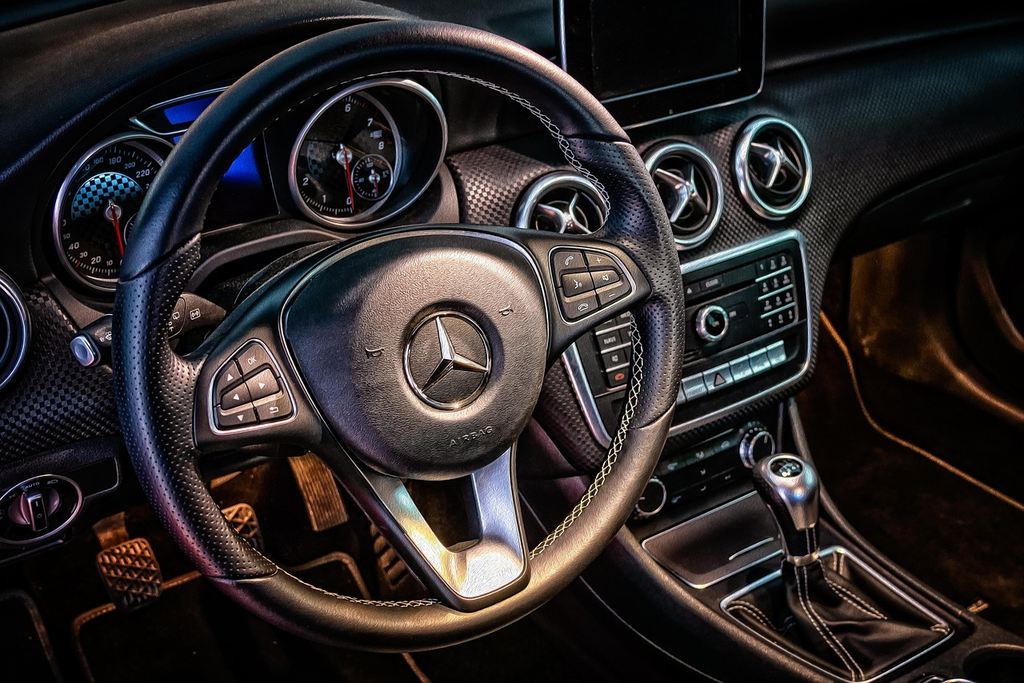
Luxury cars refer to high-end vehicles that offer superior comfort, advanced technology, and premium materials. These cars are designed for an exceptional driving experience, often featuring powerful engines, elegant interiors, and state-of-the-art safety features. In the context of travel rides, luxury cars and planes symbolize exclusivity and status, providing travelers with a seamless, stylish, and comfortable journey, whether on the road or in the sky.
Luxury Cars
Luxury cars refer to high-end vehicles that offer superior comfort, advanced technology, and premium materials. These cars are designed for an exceptional driving experience, often featuring powerful engines, elegant interiors, and state-of-the-art safety features. In the context of travel rides, luxury cars and planes symbolize exclusivity and status, providing travelers with a seamless, stylish, and comfortable journey, whether on the road or in the sky.
💡 Key Takeaways
- Identify features that set luxury cars apart from mainstream models (materials, craftsmanship, comfort).
- Explain how luxury cars balance performance with refinement and ride quality.
- Name major luxury brands and recognize their signature design cues.
- Describe common advanced technologies found in luxury cars (driver-assistance, infotainment, adaptive suspension).
❓ Frequently Asked Questions
What defines a luxury car?
A vehicle with premium materials, advanced technology, refined ride quality, strong performance, and brand prestige, typically at a higher price.
What features are commonly found in luxury cars?
High-end interiors (leather, wood, soft-touch surfaces), advanced infotainment, driver-assist systems, adaptive suspension, and powerful, smooth engines.
How do luxury cars balance performance and efficiency?
They offer strong performance through powerful engines and tunings, often paired with efficient drivetrains or hybrids to improve fuel economy.
Which brands are typically associated with luxury cars?
Mercedes-Benz, BMW, Audi, Lexus, Porsche, Jaguar, Cadillac, Bentley, Rolls-Royce, and Maserati are commonly considered luxury brands.
What costs should you consider beyond the purchase price?
Insurance, maintenance, tires, depreciation, fuel, warranties, and service costs are important ongoing considerations for luxury cars.