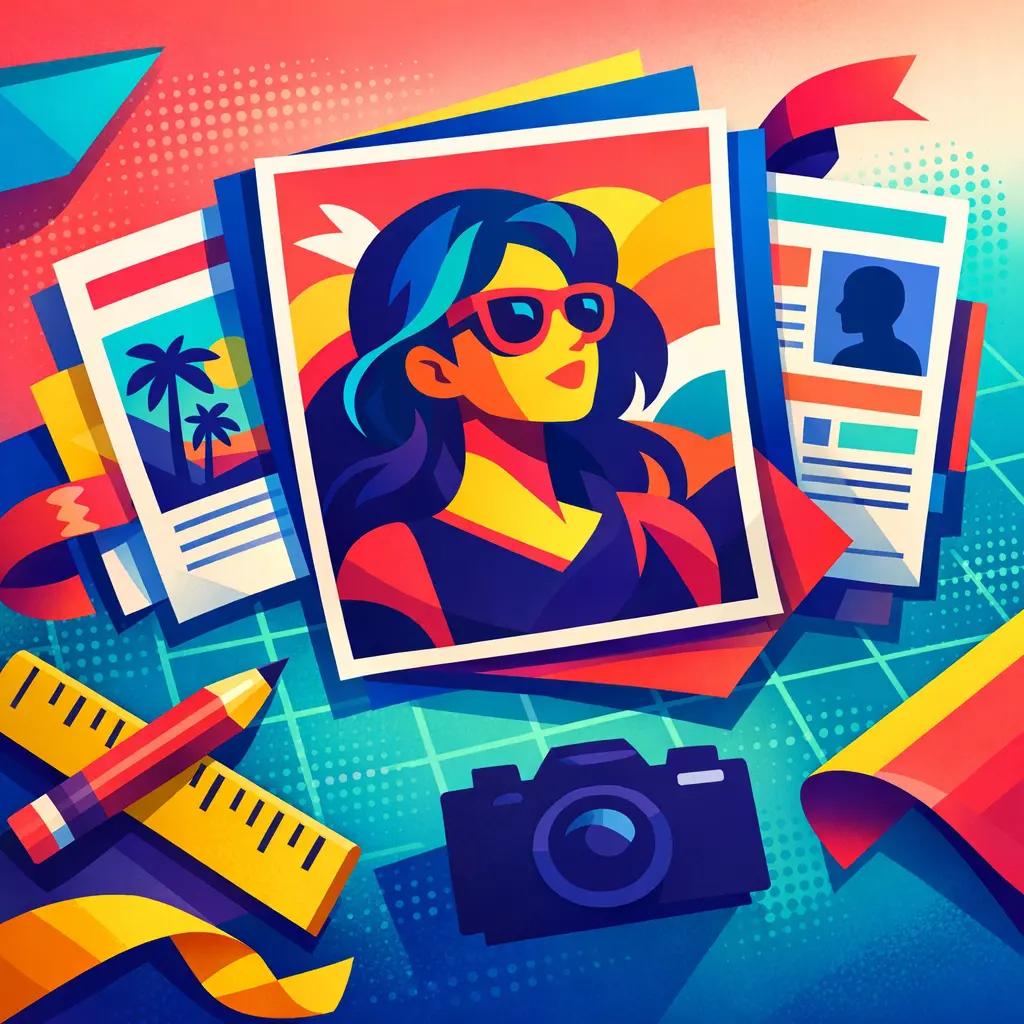
Magazine & Editorial Design (Visual Arts & Design Skills) involves creating visually appealing layouts and graphics for magazines, newspapers, and digital publications. It requires a strong understanding of typography, color theory, composition, and visual hierarchy to effectively communicate content and engage readers. Designers collaborate with writers, photographers, and editors to ensure cohesive storytelling, balance text with imagery, and maintain brand identity, resulting in polished, professional publications that capture audience attention.
Magazine & Editorial Design
Magazine & Editorial Design (Visual Arts & Design Skills) involves creating visually appealing layouts and graphics for magazines, newspapers, and digital publications. It requires a strong understanding of typography, color theory, composition, and visual hierarchy to effectively communicate content and engage readers. Designers collaborate with writers, photographers, and editors to ensure cohesive storytelling, balance text with imagery, and maintain brand identity, resulting in polished, professional publications that capture audience attention.
💡 Key Takeaways
- Grasp grid-based layouts to create clean, consistent magazine pages.
- Choose typography pairings and settings that enhance readability and mood.
- Design compelling covers and editorial spreads that guide reader flow.
- Prepare print-ready files with color management, bleeds, margins, and asset coordination.
❓ Frequently Asked Questions
What is magazine and editorial design?
Editorial design is the craft of creating layouts for magazines, newspapers, and journals, combining typography, imagery, grids, and color to present content clearly and attractively.
What is the purpose of a grid in editorial design?
A grid provides a consistent structure (columns, margins, and gutters) that aligns elements across pages, improving readability and visual harmony.
What is typographic hierarchy and why is it important?
Typographic hierarchy uses varying font sizes, weights, and styles to signal headlines, subheads, and body text, guiding readers through the content.
What are common print production terms like bleed, margins, and gutters?
Bleed extends artwork to the edge of the page; margins keep content safe from trimming; gutters are the space between columns. These affect print accuracy and layout balance.