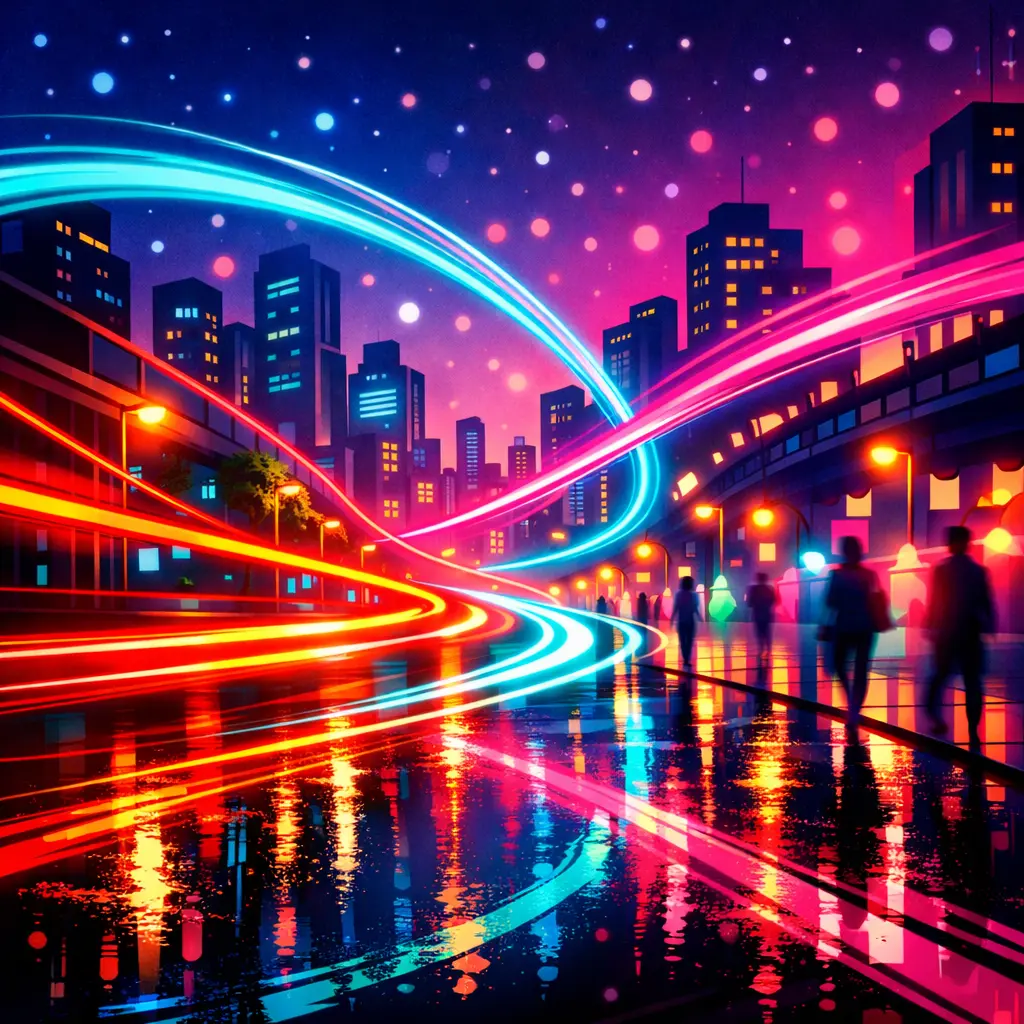
Dynamic composition and camera angles in visual arts and design refer to the strategic arrangement of visual elements and the viewpoint from which a scene is depicted. By using varied angles—such as high, low, or tilted perspectives—and placing elements off-center or along diagonal lines, artists create movement, energy, and visual interest. These techniques guide the viewer’s eye, evoke emotion, and enhance storytelling within a visual piece.
Dynamic Composition & Camera Angles
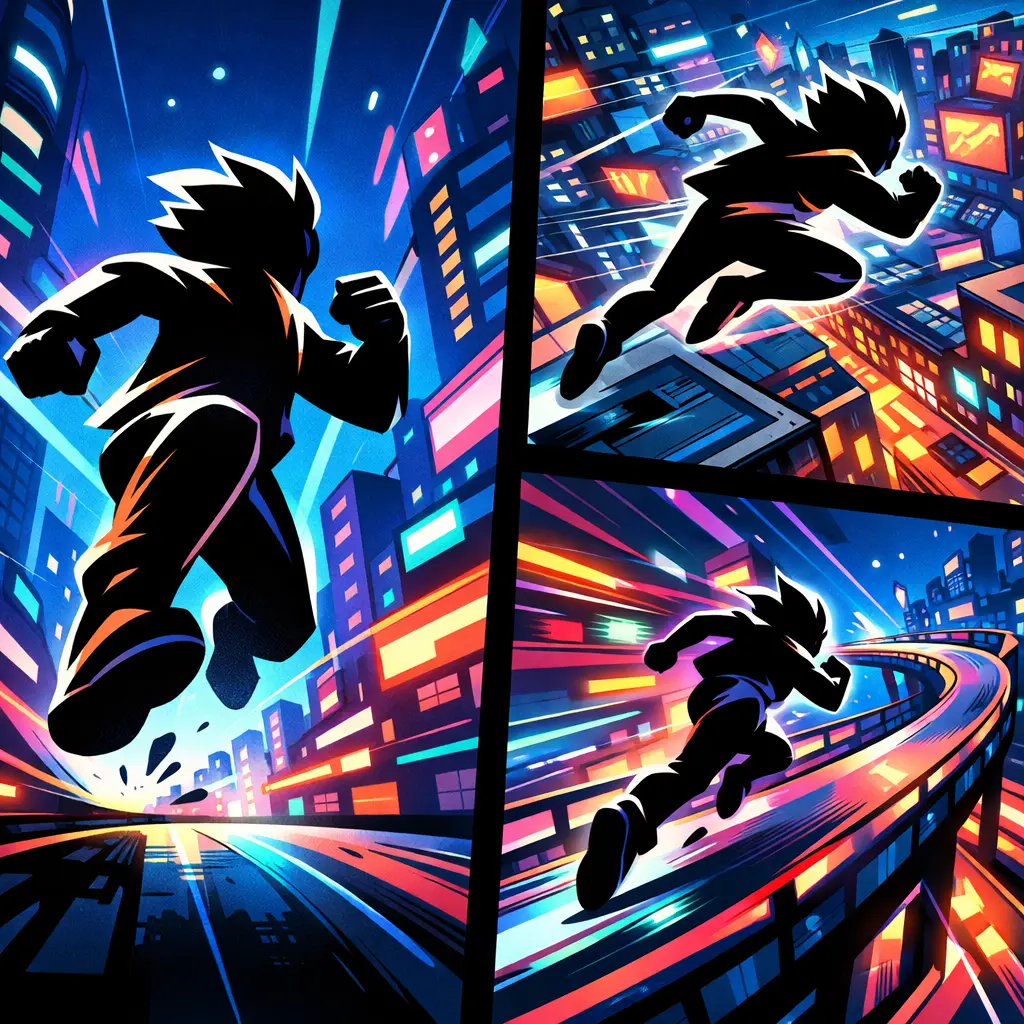
Dynamic composition and camera angles in visual arts and design refer to the strategic arrangement of visual elements and the viewpoint from which a scene is depicted. By using varied angles—such as high, low, or tilted perspectives—and placing elements off-center or along diagonal lines, artists create movement, energy, and visual interest. These techniques guide the viewer’s eye, evoke emotion, and enhance storytelling within a visual piece.
💡 Key Takeaways
- Understand how dynamic composition uses diagonals, leading lines, and the rule of thirds to guide the viewer's eye.
- Learn how camera angles (low, high, eye-level) affect mood, power dynamics, and storytelling.
- Explore techniques to convey motion and energy through framing, timing, and movement within the shot.
- Recognize how perspective and depth (foreground, middle ground, background) add scale and interest.
- Practice balancing foreground and background elements to maintain visual interest while emphasizing the subject.
❓ Frequently Asked Questions
What does dynamic composition mean in photography and videography?
Dynamic composition creates energy and movement in a frame by using diagonals, depth, and foreground/background elements to guide the viewer's eye.
What is a high-angle shot and what effect does it have?
A shot taken from above the subject; it can make the subject look smaller, vulnerable, or contextually subordinate.
What is a low-angle shot and what effect does it have?
A shot taken from below the subject; it can make the subject appear powerful, heroic, or imposing.
What is a Dutch tilt and when should you use it?
A camera tilt where the frame is angled sideways; it creates tension, unease, or disorientation and is common in thrillers or dreamlike sequences.