Mangroves and estuaries are unique coastal ecosystems found where rivers meet the sea. Mangroves are salt-tolerant trees with tangled roots that stabilize shorelines and provide habitats for diverse wildlife. Estuaries, the transitional zones between river and ocean, are rich in nutrients and serve as breeding grounds for many marine species. Both play vital roles in filtering pollutants, protecting against erosion, and supporting vibrant food webs in the planet’s oceans and seas.
Mangroves and Estuaries
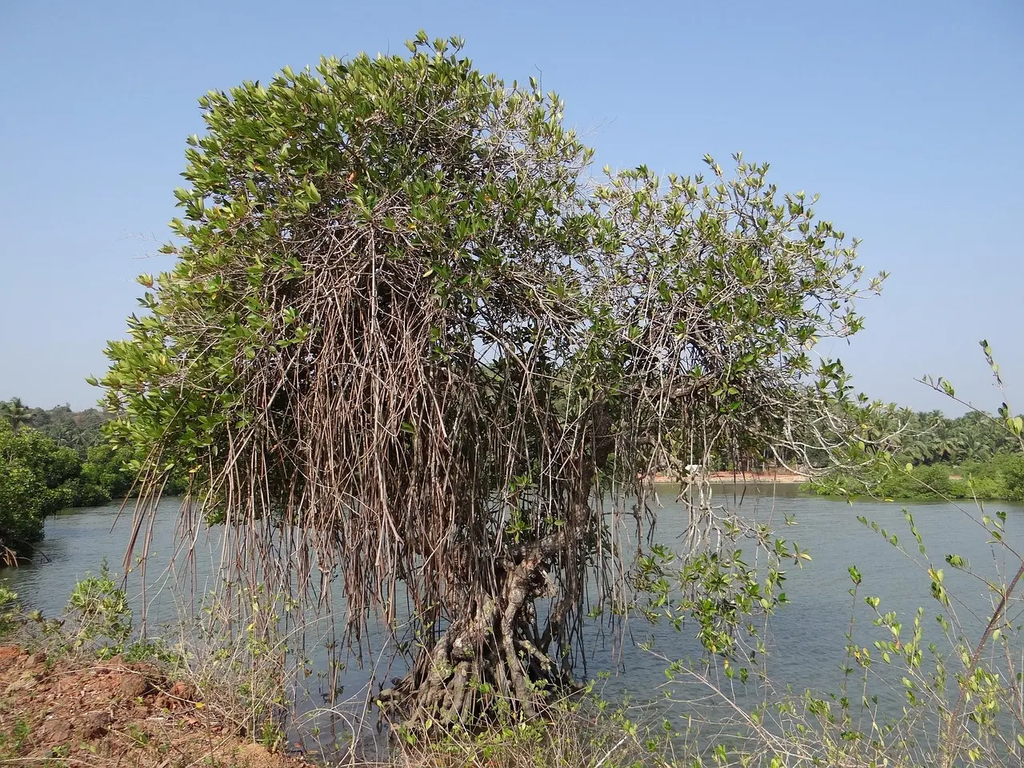
Mangroves and estuaries are unique coastal ecosystems found where rivers meet the sea. Mangroves are salt-tolerant trees with tangled roots that stabilize shorelines and provide habitats for diverse wildlife. Estuaries, the transitional zones between river and ocean, are rich in nutrients and serve as breeding grounds for many marine species. Both play vital roles in filtering pollutants, protecting against erosion, and supporting vibrant food webs in the planet’s oceans and seas.
💡 Key Takeaways
- Identify mangroves and the estuarine habitats where they thrive.
- Explain mangroves' ecological roles: nursery habitat for fish, coastal protection, and carbon storage.
- Describe key adaptations that help mangroves survive in salty, waterlogged soils (e.g., pneumatophores, salt exclusion, vivipary).
- Recognize major threats to mangroves and estuaries and outline basic conservation actions.
❓ Frequently Asked Questions
What are mangroves and where do they grow?
Mangroves are salt-tolerant trees and shrubs that live in tropical and subtropical tidal coastlines where rivers meet the sea.
What is an estuary?
An estuary is a coastal area where freshwater from rivers mixes with seawater, creating brackish water and a highly productive habitat.
Why are mangroves important?
They protect shorelines from storms, trap sediments, support diverse wildlife, and store carbon in their soils (blue carbon).
How do mangroves cope with salt and tidal flooding?
They use adaptations like aerial roots for oxygen, salt-excreting leaves, and propagules that germinate on the tree and float to establish new plants.
What are major threats to mangroves and estuaries?
Deforestation, coastal development, pollution, overfishing, and climate change—these reduce protection, biodiversity, and carbon storage.