Manual camera settings allow photographers to control exposure elements like shutter speed, aperture, and ISO, enabling creative flexibility and precision. Shooting in RAW format means capturing uncompressed image data, preserving maximum detail and dynamic range. Together, manual settings and RAW give photographers greater control over both the shooting process and post-processing, resulting in higher-quality images and more opportunities for adjustment and correction during editing.
Manual Camera Settings and RAW
Manual camera settings allow photographers to control exposure elements like shutter speed, aperture, and ISO, enabling creative flexibility and precision. Shooting in RAW format means capturing uncompressed image data, preserving maximum detail and dynamic range. Together, manual settings and RAW give photographers greater control over both the shooting process and post-processing, resulting in higher-quality images and more opportunities for adjustment and correction during editing.
💡 Key Takeaways
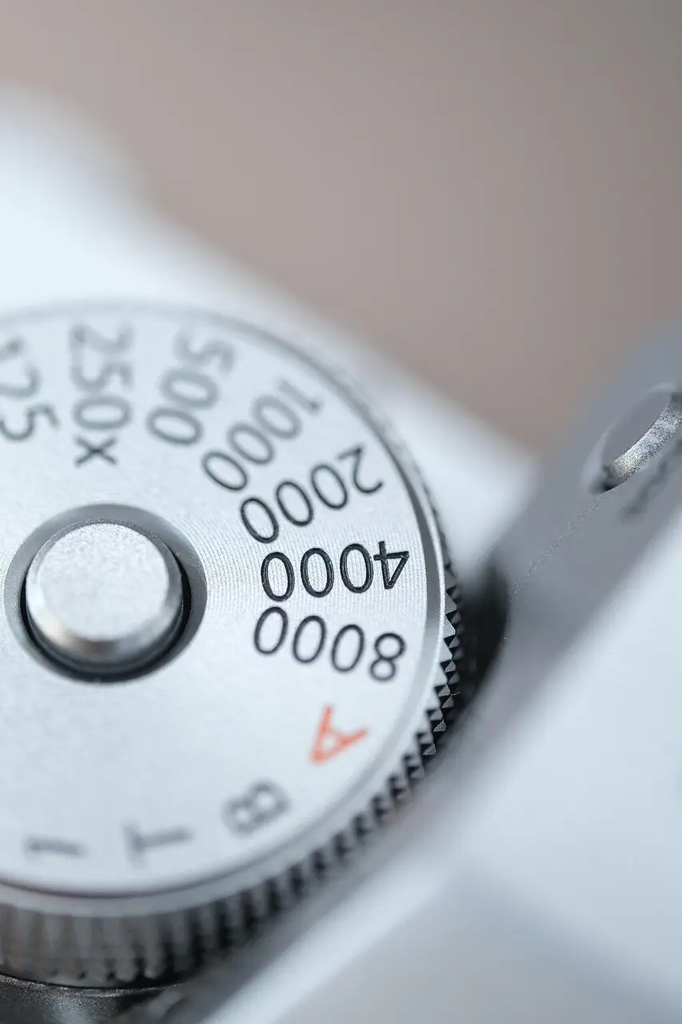
- Understand how manual exposure settings—shutter speed, aperture, and ISO—affect exposure, motion, and depth of field.
- Learn to balance shutter speed, aperture, and ISO to achieve your creative intent (e.g., freezing action or smoothing motion, controlling depth of field).
- Discover the benefits of shooting in RAW: uncompressed data with higher detail and broader dynamic range for post-processing.
- Explore how RAW workflows enable nondestructive edits, easier white balance adjustments, and recovery of shadows and highlights.
❓ Frequently Asked Questions
What are manual camera settings?
Manual settings let you control exposure by adjusting shutter speed, aperture, and ISO yourself for full creative control over brightness, depth of field, and motion.
What is RAW format and how does it differ from JPEG?
RAW stores unprocessed sensor data with greater detail and dynamic range, allowing more flexible edits. JPEG is compressed and processed in-camera, with less room for adjustment.
How do shutter speed, aperture, and ISO affect your photo?
Shutter speed affects motion blur, aperture controls depth of field and light intake, and ISO changes sensor sensitivity (and noise). Together they form the exposure triangle.
Why shoot in RAW for arts & crafts photography?
RAW preserves maximum detail and tonal range, making it easier to fine-tune colors, textures, and brightness in post-production—helpful for craft textures and color accuracy.