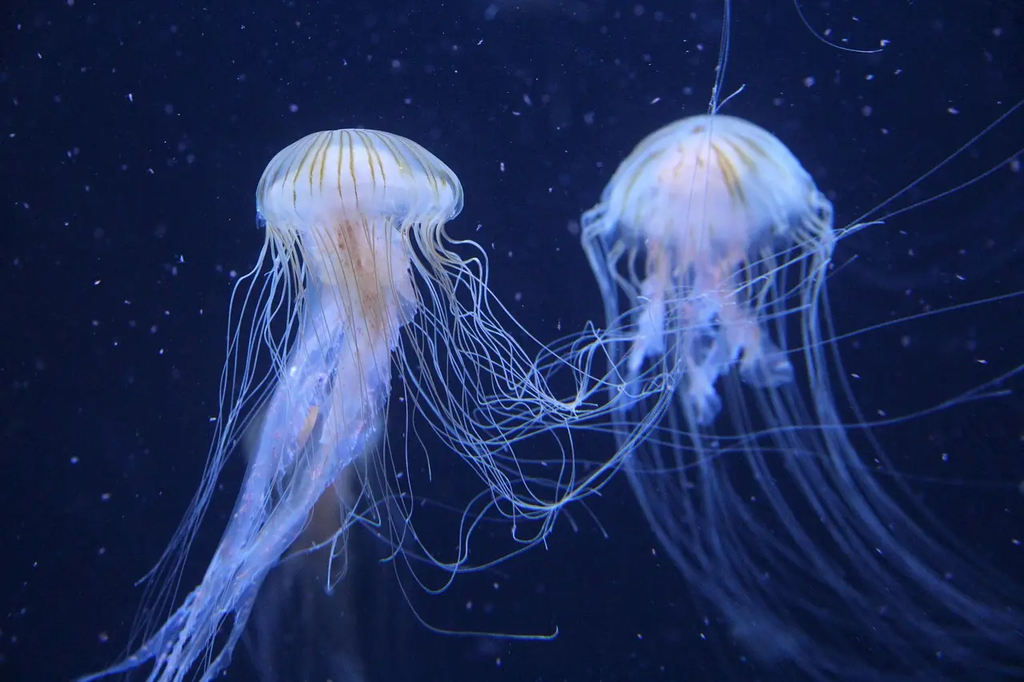
Marine biodiversity refers to the vast variety of life forms found in the oceans and seas, including plants, animals, and microorganisms. It encompasses diverse ecosystems such as coral reefs, deep-sea vents, and coastal habitats. This biodiversity is crucial for maintaining ecological balance, supporting fisheries, and providing resources for medicine and industry. Healthy marine biodiversity also helps regulate climate and supports livelihoods for millions of people worldwide.
Marine Biodiversity
Marine biodiversity refers to the vast variety of life forms found in the oceans and seas, including plants, animals, and microorganisms. It encompasses diverse ecosystems such as coral reefs, deep-sea vents, and coastal habitats. This biodiversity is crucial for maintaining ecological balance, supporting fisheries, and providing resources for medicine and industry. Healthy marine biodiversity also helps regulate climate and supports livelihoods for millions of people worldwide.
💡 Key Takeaways
- Define marine biodiversity and explain why it matters for ecosystems and human well-being.
- Identify key marine habitats that host high biodiversity (coral reefs, mangroves, kelp forests, seagrass beds) and the organisms found there.
- Recognize major threats to marine biodiversity (overfishing, habitat loss, pollution, climate change) and basic conservation approaches.
- Describe how scientists monitor marine biodiversity and the role of protected areas in sustaining it.
❓ Frequently Asked Questions
What is marine biodiversity?
The variety and variability of life in oceans, from genes to species to entire ecosystems, across all habitats.
Why is marine biodiversity important?
It supports food and livelihoods, coastal protection, climate regulation, disease control, and scientific knowledge.
What are major threats to marine biodiversity?
Overfishing, habitat destruction, pollution, climate change, and invasive species.
How do scientists measure marine biodiversity?
By assessing species richness and evenness, genetic diversity, and ecosystem diversity using surveys, sampling, eDNA, and remote sensing.