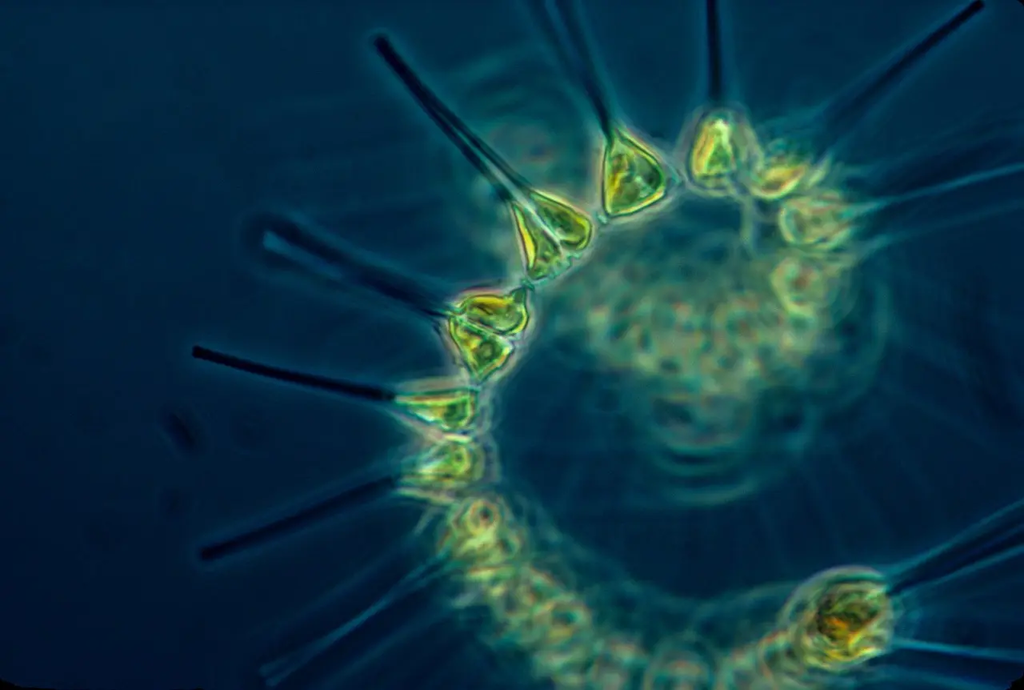
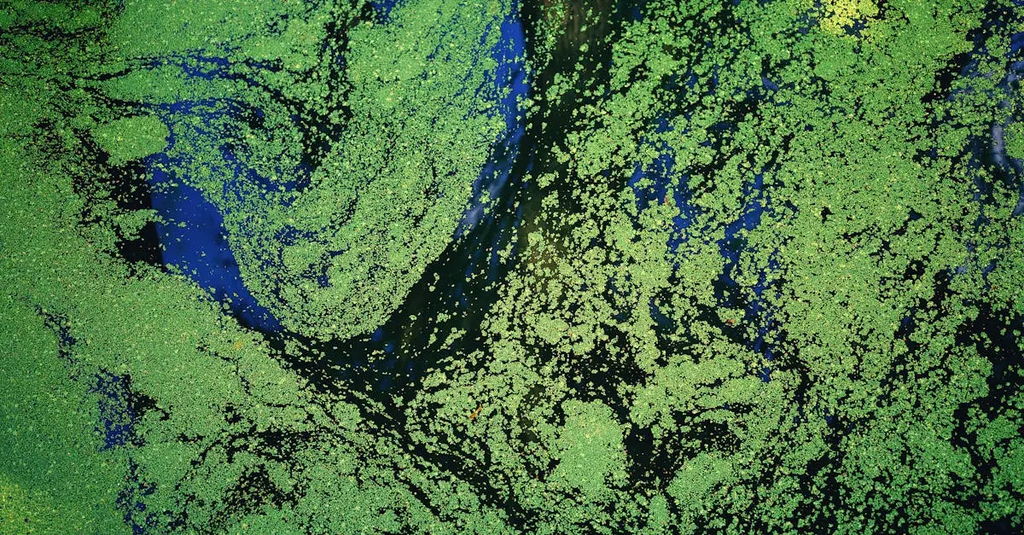
Marine biotechnology is the study and application of biological processes and organisms from oceans and seas to develop products and technologies beneficial to humans. This multidisciplinary field explores marine resources—such as algae, bacteria, and marine animals—for uses in medicine, food, energy, and environmental protection. By harnessing the unique properties of marine life, scientists aim to address challenges like disease treatment, sustainable aquaculture, and pollution control, while promoting the conservation of ocean ecosystems.
Marine Biotechnology
Marine biotechnology is the study and application of biological processes and organisms from oceans and seas to develop products and technologies beneficial to humans. This multidisciplinary field explores marine resources—such as algae, bacteria, and marine animals—for uses in medicine, food, energy, and environmental protection. By harnessing the unique properties of marine life, scientists aim to address challenges like disease treatment, sustainable aquaculture, and pollution control, while promoting the conservation of ocean ecosystems.
💡 Key Takeaways
- Understand the scope of marine biotechnology and why the ocean is a rich source of biological innovation.
- Identify major applications in medicine, industry, and sustainable aquaculture.
- Learn basic approaches to discovering and utilizing marine bioresources (isolation, screening, bioprocessing) and safety considerations.
- Recognize ethical, legal, and conservation considerations in marine bioproduct development.
❓ Frequently Asked Questions
What is marine biotechnology?
The use of biotechnological tools to study and exploit marine organisms and ecosystems to create products, processes, or solutions.
Where do marine biotech discoveries usually come from?
Marine microorganisms, algae, sponges and other invertebrates, and their enzymes, genes, and natural products.
What are common applications of marine biotechnology?
New drugs from marine natural products, industrial enzymes, nutraceuticals, eco-friendly materials, and improved aquaculture practices.
What are the main challenges in marine biotechnology?
Biodiversity conservation, sustainable sampling, regulatory and IP issues, scaling lab results to production, and environmental risk management.