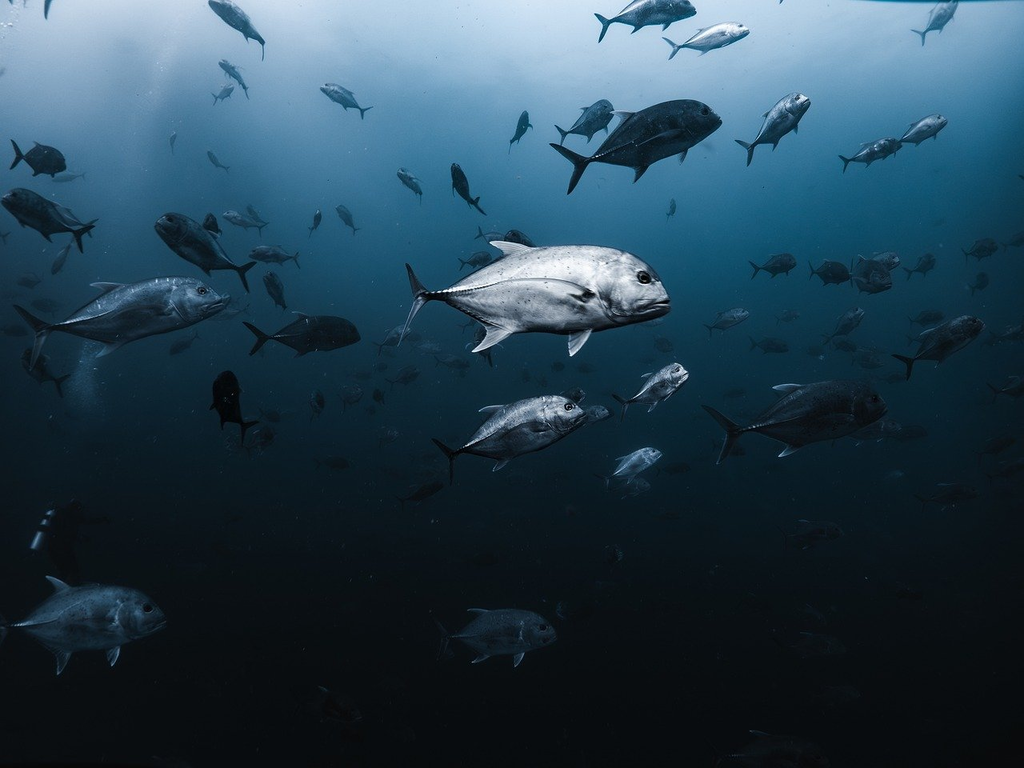
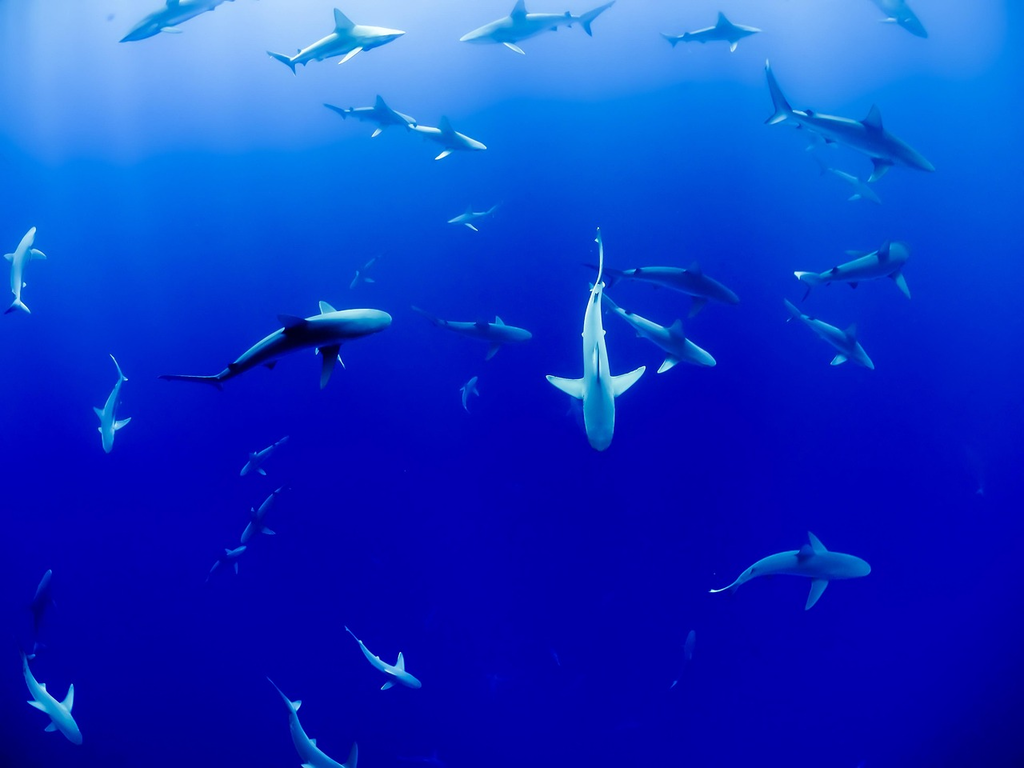
Marine Ecosystem Dynamics refers to the complex interactions and processes occurring within the oceans and seas of Planet Earth. These dynamics include the movement of water, nutrient cycling, food web relationships, and the adaptation of marine organisms to changing conditions. Influenced by natural forces and human activities, these ecosystems support immense biodiversity, regulate climate, and provide essential resources, making their balance crucial for the health of the planet.
Marine Ecosystem Dynamics
Marine Ecosystem Dynamics refers to the complex interactions and processes occurring within the oceans and seas of Planet Earth. These dynamics include the movement of water, nutrient cycling, food web relationships, and the adaptation of marine organisms to changing conditions. Influenced by natural forces and human activities, these ecosystems support immense biodiversity, regulate climate, and provide essential resources, making their balance crucial for the health of the planet.
💡 Key Takeaways
- Identify the main components and interactions of marine food webs (producers, consumers, decomposers).
- Explain how energy moves through marine ecosystems across trophic levels.
- Describe how abiotic factors (temperature, salinity, nutrients) shape marine dynamics and how human activities alter them.
- Recognize how different marine habitats (coral reefs, seagrass beds, mangroves, open ocean) influence dynamics and resilience.
❓ Frequently Asked Questions
What does 'marine ecosystem dynamics' mean?
It refers to how ocean communities of organisms interact with their physical environment over time, shaped by energy flow, nutrient cycling, population changes, and disturbances.
How does energy move through marine food webs?
Producers like phytoplankton capture solar energy and form organic matter, which herbivores eat, then predators eat those herbivores. About 10% of energy transfers to the next level; the rest is lost as heat or waste, with detritus recycling nutrients.
What is upwelling and why is it important for marine ecosystems?
Upwelling brings nutrient-rich deep water to the surface, triggering phytoplankton blooms and supporting high productivity and fisheries along coastlines.
What is a keystone species in the ocean?
A species that has a disproportionately large effect on its ecosystem relative to its abundance. Its presence helps maintain community structure and biodiversity; removing it can trigger major ecological changes.