Marine Environmental Ethics refers to the moral principles and values guiding human interactions with oceans and seas. It emphasizes the responsibility to protect marine ecosystems, conserve biodiversity, and ensure the sustainable use of ocean resources. This ethical approach recognizes the intrinsic value of marine life, the interconnectedness of oceanic systems with planetary health, and the need for stewardship to preserve these environments for current and future generations.
Marine Environmental Ethics
Marine Environmental Ethics refers to the moral principles and values guiding human interactions with oceans and seas. It emphasizes the responsibility to protect marine ecosystems, conserve biodiversity, and ensure the sustainable use of ocean resources. This ethical approach recognizes the intrinsic value of marine life, the interconnectedness of oceanic systems with planetary health, and the need for stewardship to preserve these environments for current and future generations.
💡 Key Takeaways
- Define marine environmental ethics and explain why oceans matter ethically, beyond economic value.
- Identify ethical issues in fishing, pollution, and coastal development and how they affect marine life and ecosystems.
- Explore conservation and governance approaches—such as sustainable harvesting, protected areas, and the precautionary principle—and concepts of intergenerational justice.
- Apply ethical frameworks to real-world marine scenarios, evaluating policy choices and stewardship strategies for oceans.
❓ Frequently Asked Questions
What is marine environmental ethics?
A field of ethics that studies our moral responsibilities toward oceans, marine life, and ocean resources, emphasizing sustainable use, ecosystem welfare, and duties to future generations.
What are the major ethical issues facing the oceans today?
Overfishing and bycatch, pollution (plastics and toxins), habitat destruction (coral reefs, mangroves), climate change effects (warming and acidification), and inequitable access to marine resources.
What is the precautionary principle in marine contexts?
A guideline to prevent harm to marine ecosystems even when full scientific certainty is lacking, supporting proactive protections, sustainable practices, and precautionary management.
How can individuals and policymakers act more ethically toward the oceans?
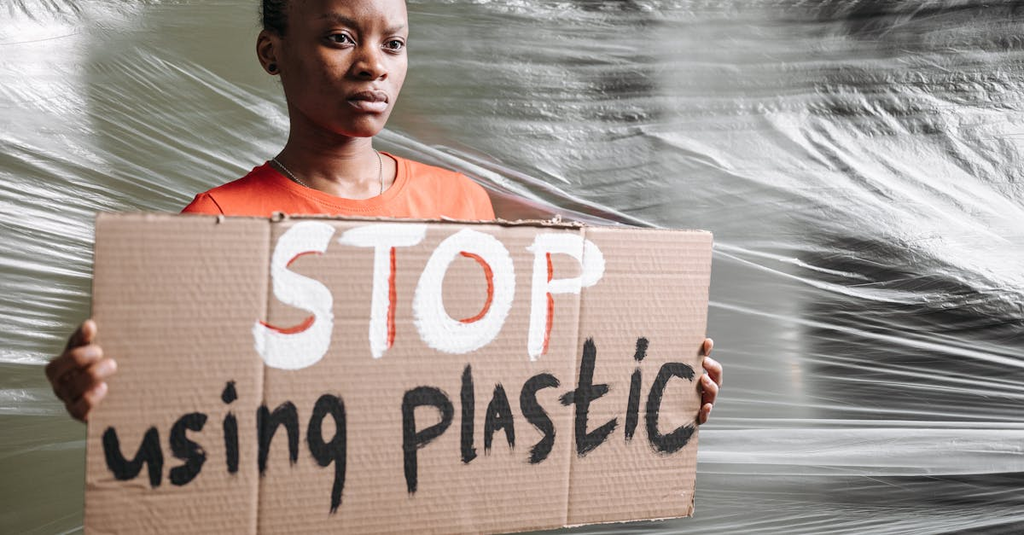
Choose sustainable seafood, reduce plastic use and pollution, support marine protected areas, strengthen ocean governance, and adopt responsible fishing and boating practices.