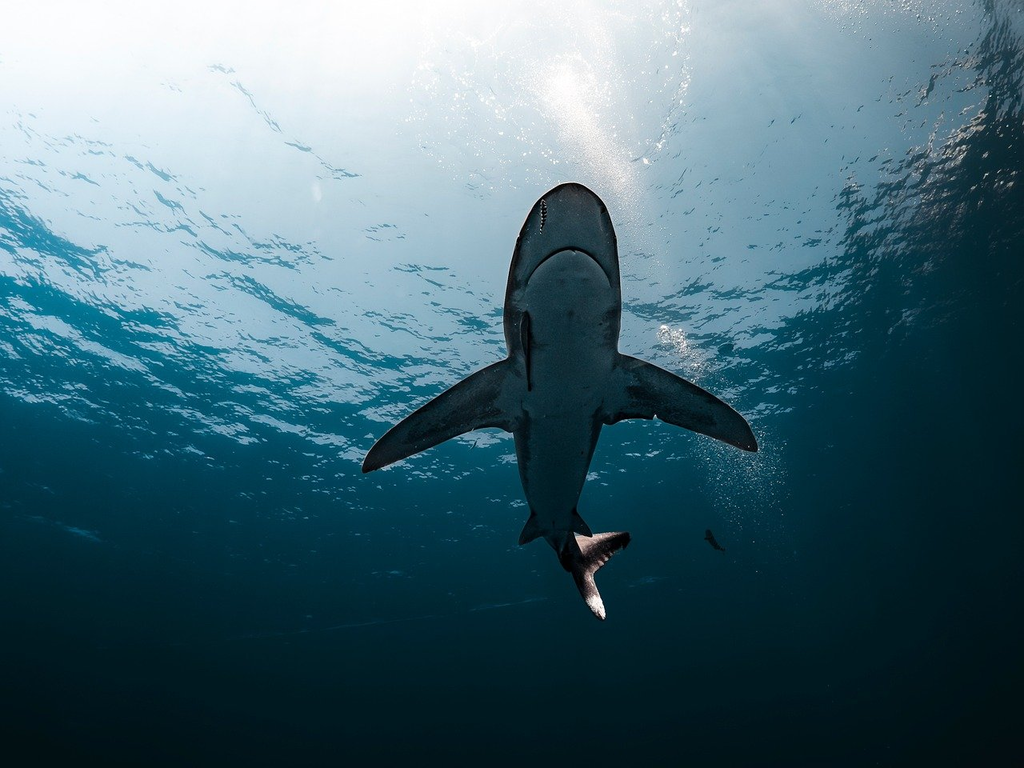
Marine genomics is the study of the genetic material of organisms living in oceans and seas. By analyzing DNA and RNA, scientists gain insights into marine biodiversity, evolution, and ecosystem functions. This field helps identify new species, monitor environmental changes, and understand how marine life adapts to challenges such as climate change and pollution. Marine genomics is vital for conserving ocean resources and maintaining the health of the planet’s aquatic environments.
Marine Genomics
Marine genomics is the study of the genetic material of organisms living in oceans and seas. By analyzing DNA and RNA, scientists gain insights into marine biodiversity, evolution, and ecosystem functions. This field helps identify new species, monitor environmental changes, and understand how marine life adapts to challenges such as climate change and pollution. Marine genomics is vital for conserving ocean resources and maintaining the health of the planet’s aquatic environments.
💡 Key Takeaways
- Define marine genomics and its relevance to ocean life and ecosystems.
- Identify core techniques used in marine genomics (genome sequencing, transcriptomics, metagenomics).
- Explain how genomic insights inform conservation, biodiversity, and sustainable fisheries.
- Discuss challenges and ethical considerations in marine genomics research.
❓ Frequently Asked Questions
What is marine genomics?
Marine genomics is the study of the genomes of marine organisms using DNA sequencing to understand biology, evolution, adaptation, and ecosystem function in the ocean.
Why study the genomes of marine organisms?
Genomic insights reveal how species adapt to saltwater, depth, and temperature, inform conservation and breeding, and uncover genes tied to metabolism, immunity, and bioactive compounds.
What technologies are commonly used in marine genomics?
Key tools include DNA sequencing (short- and long-read), genome assembly, transcriptomics (RNA-seq), comparative genomics, and environmental DNA for detecting species without capturing them.
What is environmental DNA and how is it used in the ocean?
Environmental DNA, or eDNA, is genetic material shed by organisms into water. Analyzing water samples lets researchers detect species and biodiversity without direct sampling.
What are practical applications of marine genomics?
Applications include informing conservation and fisheries management, improving aquaculture through selective breeding, and discovering genes for novel bioactive compounds.