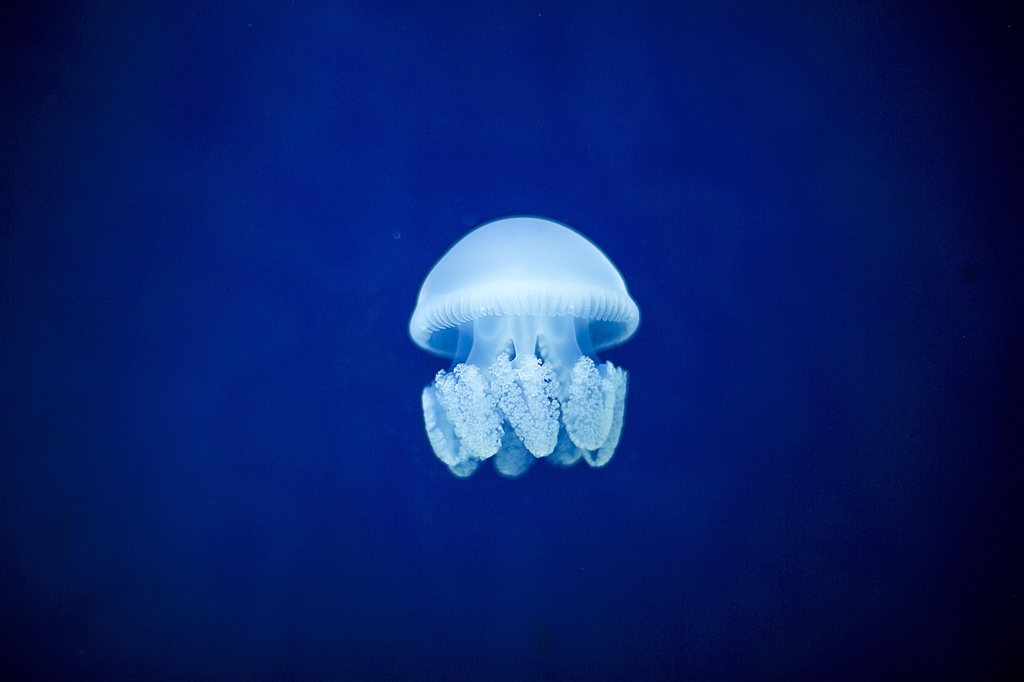
Marine Life Basics explores the diverse organisms inhabiting Earth’s oceans and seas, from microscopic plankton to massive whales. It covers essential concepts such as food chains, adaptations, habitats like coral reefs and deep-sea trenches, and the crucial role marine life plays in maintaining ecological balance. Understanding these basics helps highlight the importance of ocean conservation and the interconnectedness of all life forms within the planet’s vast aquatic environments.
Marine Life Basics+50
Marine Life Basics explores the diverse organisms inhabiting Earth’s oceans and seas, from microscopic plankton to massive whales. It covers essential concepts such as food chains, adaptations, habitats like coral reefs and deep-sea trenches, and the crucial role marine life plays in maintaining ecological balance. Understanding these basics helps highlight the importance of ocean conservation and the interconnectedness of all life forms within the planet’s vast aquatic environments.
💡 Key Takeaways
- Identify major groups of marine life (fish, mammals, invertebrates) and a defining trait of each
- Describe common marine habitats (open ocean, coral reefs, estuaries) and examples of organisms found there
- Explain key adaptations that help marine life survive (buoyancy, respiration, camouflage, locomotion)
- Recognize human impacts on marine life and basic conservation concepts (pollution, overfishing, protected areas)
❓ Frequently Asked Questions
What counts as marine life?
Organisms that live in saltwater environments (oceans and seas), from microscopic plankton to whales, including fish, mollusks, crustaceans, corals, and marine plants.
What is the difference between pelagic and benthic zones?
Pelagic refers to the open water away from the bottom; benthic refers to the ocean floor. Different species and adaptations are common between these zones.
What forms the base of most marine food webs?
Phytoplankton and other photosynthetic organisms that convert sunlight into energy, supporting a wide range of marine life.
How do marine animals obtain oxygen?
Many use gills to extract oxygen from seawater, while air-breathing mammals (like whales) surface to breathe; some invertebrates rely on diffusion or other specialized structures.