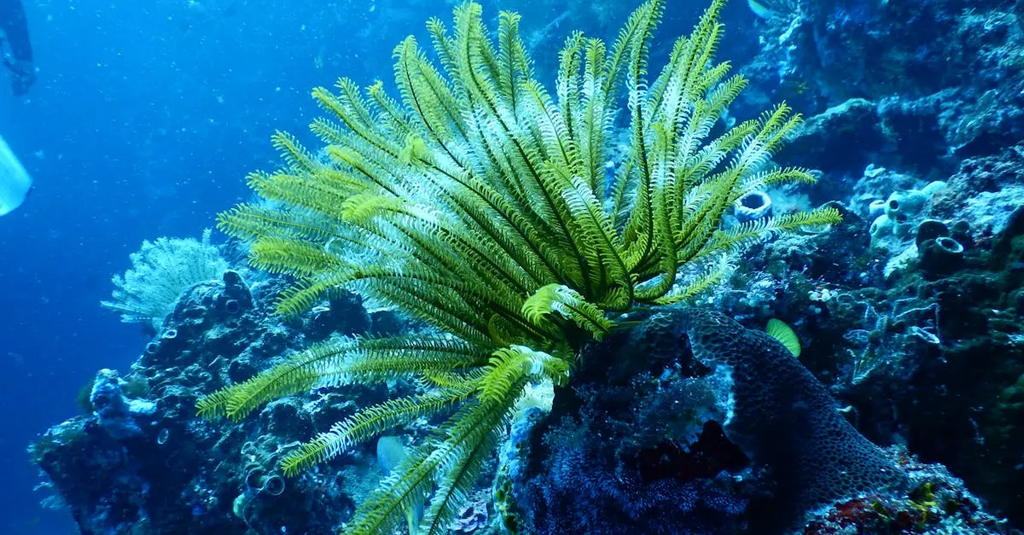
Marine life refers to the diverse organisms that inhabit oceans, seas, and other saltwater environments. This includes a wide variety of species such as fish, whales, dolphins, corals, crustaceans, seaweeds, and microscopic plankton. Marine life plays a crucial role in maintaining ecological balance, supporting food webs, and regulating the Earth's climate. It is essential for biodiversity, human livelihoods, and the overall health of the planet’s aquatic ecosystems.
Marine Life+50
Marine life refers to the diverse organisms that inhabit oceans, seas, and other saltwater environments. This includes a wide variety of species such as fish, whales, dolphins, corals, crustaceans, seaweeds, and microscopic plankton. Marine life plays a crucial role in maintaining ecological balance, supporting food webs, and regulating the Earth's climate. It is essential for biodiversity, human livelihoods, and the overall health of the planet’s aquatic ecosystems.
💡 Key Takeaways
- Recognize the diversity of marine life, including fish, whales and dolphins, corals, crustaceans, seaweeds, and plankton.
- Understand how marine organisms interact in ecosystems to maintain ecological balance through food webs and nutrient cycles.
- Identify the different habitats where marine life thrives in oceans, seas, and other saltwater environments.
- Appreciate why protecting marine life matters for biodiversity and the health of oceans.
❓ Frequently Asked Questions
What is marine life?
Marine life refers to the diverse organisms that inhabit oceans, seas, and other saltwater environments.
What kinds of organisms are included in marine life?
It includes fish, whales, dolphins, corals, crustaceans, seaweeds, and microscopic plankton.
Where do marine organisms live?
In oceans, seas, and other saltwater environments.
Why is marine life important to ecological balance?
Marine life plays a crucial role in maintaining ecological balance by supporting habitats, food webs, and nutrient cycles in saltwater ecosystems.