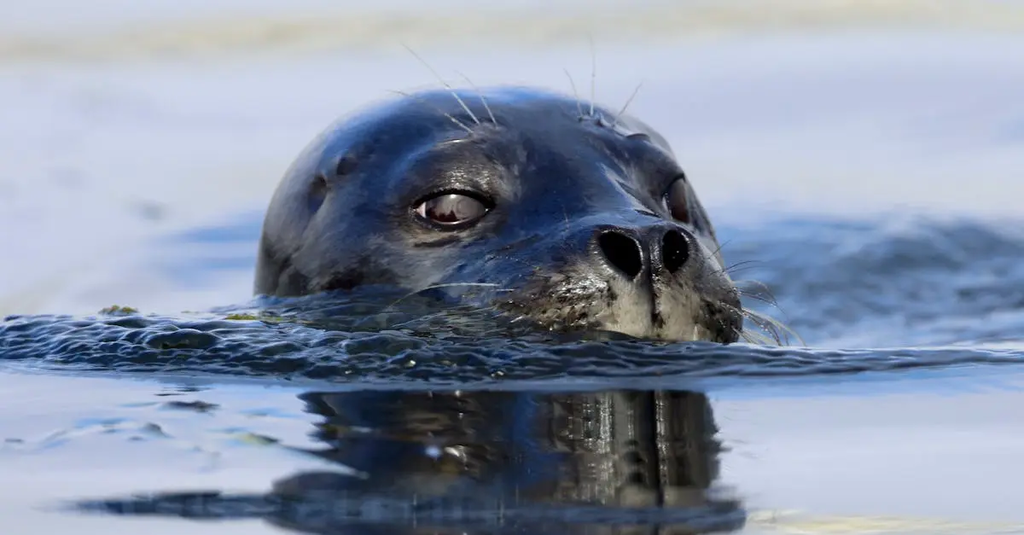
Marine Mammal Science is a scientific discipline focused on the study of marine mammals such as whales, dolphins, seals, and manatees. It encompasses research on their biology, behavior, ecology, physiology, and conservation. Scientists in this field investigate topics like population dynamics, communication, migration patterns, and the impact of human activities on marine mammal health and habitats, contributing to the understanding and preservation of these important aquatic species.
Marine Mammal Science
Marine Mammal Science is a scientific discipline focused on the study of marine mammals such as whales, dolphins, seals, and manatees. It encompasses research on their biology, behavior, ecology, physiology, and conservation. Scientists in this field investigate topics like population dynamics, communication, migration patterns, and the impact of human activities on marine mammal health and habitats, contributing to the understanding and preservation of these important aquatic species.
💡 Key Takeaways
- Identify major marine mammal groups (whales, dolphins, seals, manatees) and their key traits.
- Explain how scientists study their biology, behavior, ecology, and physiology.
- Describe how population dynamics inform conservation and management decisions.
- Recognize common threats to marine mammals and the conservation approaches used to mitigate them.
❓ Frequently Asked Questions
What is marine mammal science?
The scientific study of marine mammals—such as whales, dolphins, seals, and manatees—covering their biology, behavior, ecology, physiology, and conservation.
Which animals are considered marine mammals?
Cetaceans (whales, dolphins, porpoises), pinnipeds (seals, sea lions, walruses), and sirenians (manatees and dugongs).
What is echolocation and which mammals use it?
Echolocation is a biological sonar used mainly by toothed whales (including dolphins) to locate prey and navigate by emitting sounds and listening for echoes.
Why is conservation a key focus in marine mammal science?
Marine mammals face threats such as bycatch, habitat loss, pollution, and climate change; studying population dynamics and ecology helps guide protection and management.
What does population dynamics study in marine mammals?
It examines how populations change over time due to births, deaths, immigration, and emigration, informing species status and conservation needs.