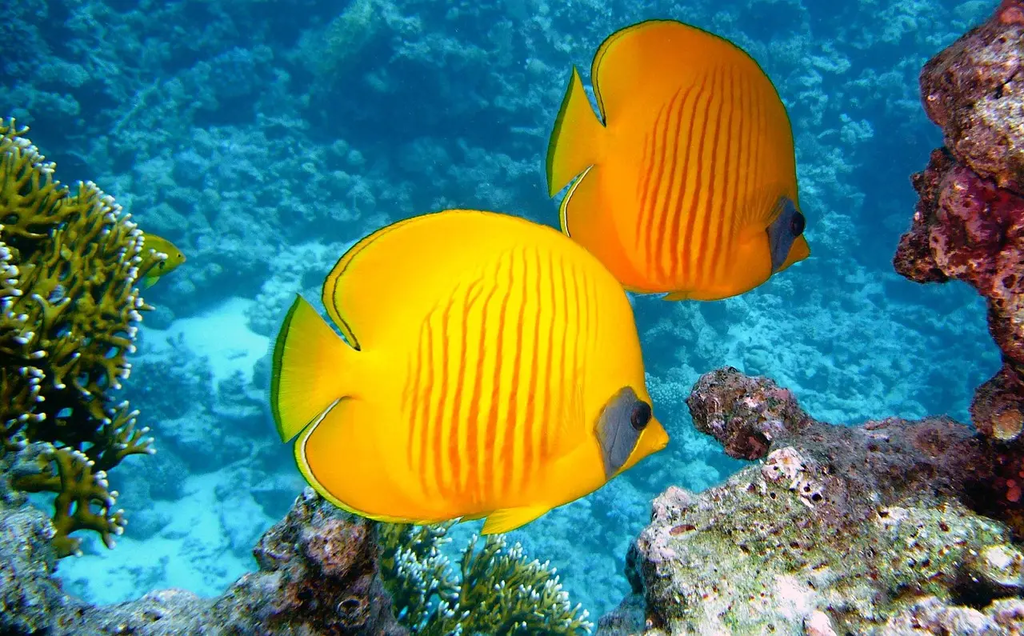
Marine Protected Areas (MPAs) are designated regions in oceans and seas where human activities are more strictly regulated than the surrounding waters to conserve marine ecosystems and biodiversity. These zones help protect habitats, endangered species, and vital resources by limiting fishing, mining, and other potentially harmful activities. MPAs play a crucial role in maintaining healthy oceans, supporting sustainable fisheries, and enhancing resilience against climate change, ultimately benefiting both marine life and human communities.
Marine Protected Areas
Marine Protected Areas (MPAs) are designated regions in oceans and seas where human activities are more strictly regulated than the surrounding waters to conserve marine ecosystems and biodiversity. These zones help protect habitats, endangered species, and vital resources by limiting fishing, mining, and other potentially harmful activities. MPAs play a crucial role in maintaining healthy oceans, supporting sustainable fisheries, and enhancing resilience against climate change, ultimately benefiting both marine life and human communities.
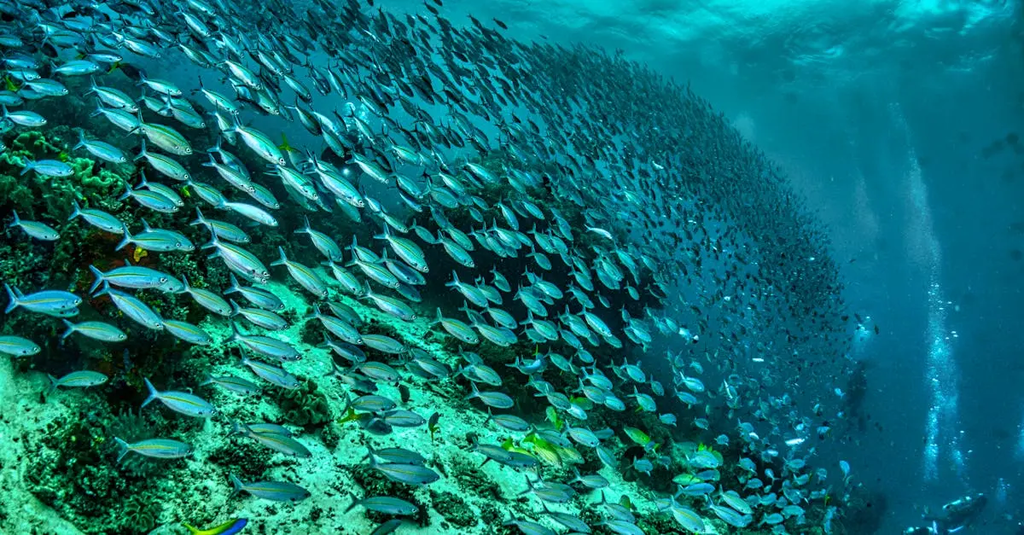
💡 Key Takeaways
- Define Marine Protected Areas (MPAs) and explain their main conservation goals.
- Differentiate among MPAs by protection level and purpose (no-take zones, restricted-use areas, etc.).
- Explain how MPAs support biodiversity, ecosystem services, and sustainable fisheries.
- Identify common threats to MPAs and key management tools used to mitigate them.
❓ Frequently Asked Questions
What is a Marine Protected Area (MPA)?
An MPA is a designated ocean space where activities are restricted to protect marine ecosystems, biodiversity, and cultural resources. MPAs vary in protection levels and allowed uses.
What does no-take mean in an MPA?
A no-take zone bans removing living resources (fishing, collecting, mining) to let ecosystems recover; some MPAs permit limited, sustainable activities.
Why are MPAs important for the oceans?
MPAs protect species and habitats, support fisheries through spillover, preserve biodiversity, and boost resilience of ecosystems to threats like climate change.
What activities are commonly restricted in MPAs?
Extraction, large-scale fishing, mining, dredging, and destructive development are often restricted; many MPAs also regulate tourism and recreation. Rules vary by management plan.
How are MPAs created and managed?
MPAs are designated by governments through planning processes, with zoning, regulations, enforcement, and monitoring. Management plans define allowed activities and how the area is run.