Mario Level Design Theory refers to the principles and techniques used to create engaging, intuitive, and challenging levels in Mario games. It emphasizes gradual skill introduction, clear visual cues, and rewarding exploration. Levels are structured to teach mechanics naturally, often through safe experimentation before introducing hazards. This theory values player progression, pacing, and the balance between difficulty and fun, ensuring players feel accomplished as they master new challenges in a playful environment.
Mario Level Design Theory
Mario Level Design Theory refers to the principles and techniques used to create engaging, intuitive, and challenging levels in Mario games. It emphasizes gradual skill introduction, clear visual cues, and rewarding exploration. Levels are structured to teach mechanics naturally, often through safe experimentation before introducing hazards. This theory values player progression, pacing, and the balance between difficulty and fun, ensuring players feel accomplished as they master new challenges in a playful environment.
💡 Key Takeaways
- Gradually introduce mechanics to help players learn by doing
- Use clear visual cues and landmarks to guide navigation
- Design safe exploration that rewards curiosity and experimentation
- Balance pacing with checkpoints to make challenges accessible
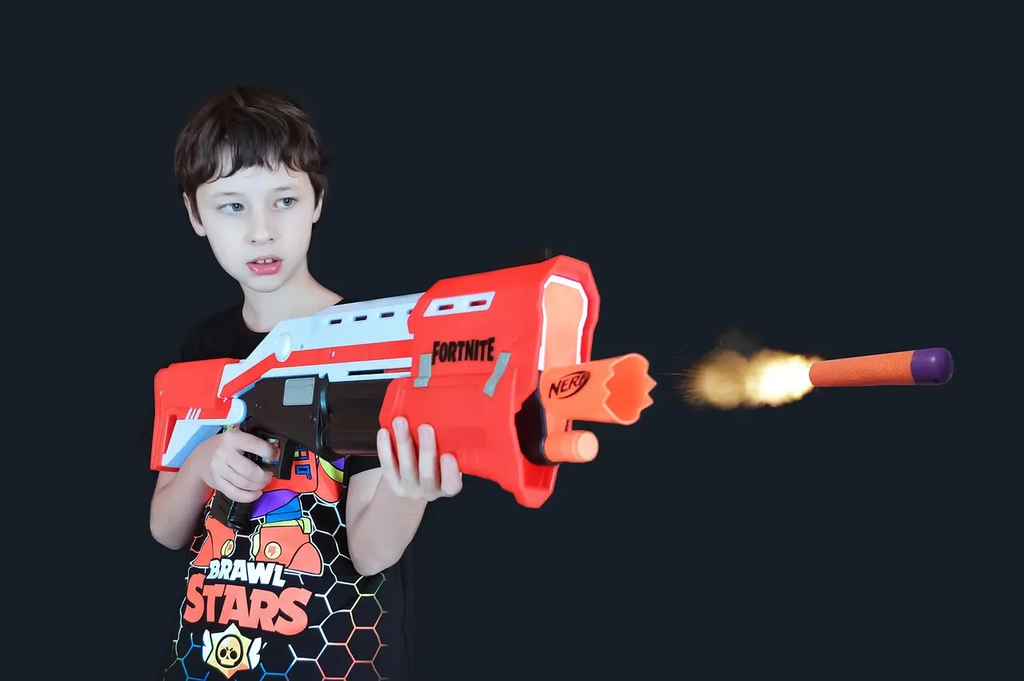
- Adapt Mario-level design principles to other games like Fortnite and Minecraft and across gaming culture
❓ Frequently Asked Questions
What is Mario Level Design Theory?
A set of principles used in Mario games to build engaging, intuitive levels that guide players through gradually introduced mechanics, clear visual cues, and rewarding exploration.
What does gradual skill introduction mean in practice?
New mechanics and hazards are introduced slowly, with difficulty increasing as players master basics, so levels teach without overwhelming.
How do visual cues help players in Mario levels?
Distinct visuals, colors, textures, and platform patterns signal where to go, what will happen next, and how to progress, reducing confusion.
How can Mario level design ideas apply to other games like Fortnite or Minecraft?
The core ideas—structured progression, intuitive cues, and rewarding exploration—can be adapted to different genres by pacing challenges, teaching mechanics through safe tasks, and guiding players through environments.