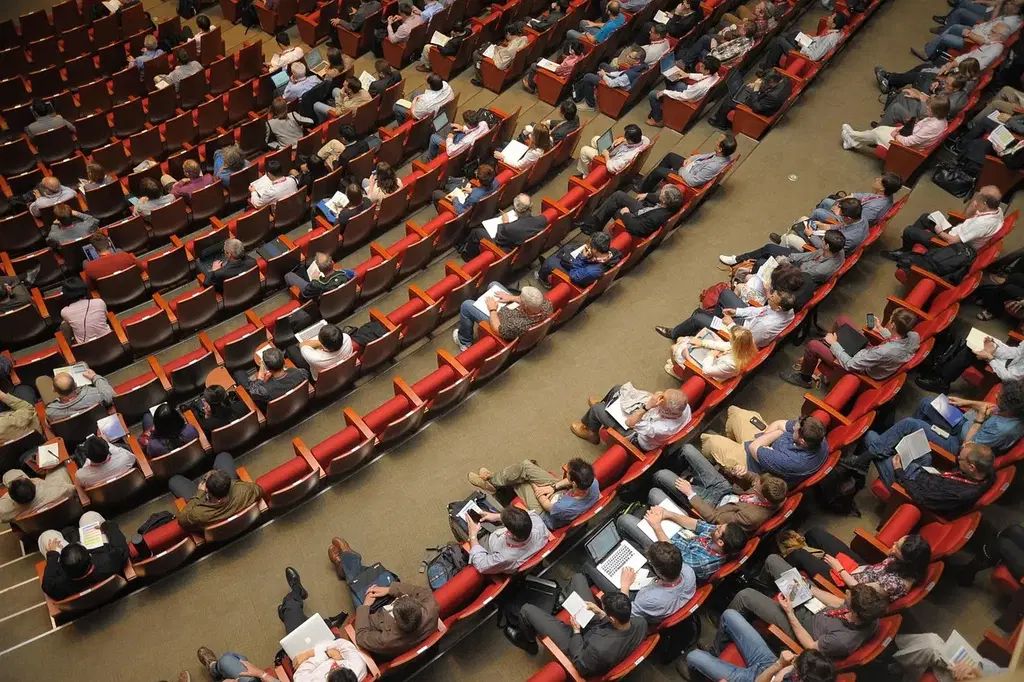
Measuring cultural wellbeing and social value involves assessing the positive impacts that cultural activities, events, or policies have on individuals and communities. This includes evaluating factors such as social inclusion, sense of belonging, mental health, community cohesion, and quality of life. By using both qualitative and quantitative methods, organizations can capture how cultural engagement enriches lives, strengthens social bonds, and contributes to overall societal development beyond economic indicators.
Measuring Cultural Wellbeing and Social Value
Measuring cultural wellbeing and social value involves assessing the positive impacts that cultural activities, events, or policies have on individuals and communities. This includes evaluating factors such as social inclusion, sense of belonging, mental health, community cohesion, and quality of life. By using both qualitative and quantitative methods, organizations can capture how cultural engagement enriches lives, strengthens social bonds, and contributes to overall societal development beyond economic indicators.
💡 Key Takeaways
- Understand how festivals and celebrations influence social inclusion, sense of belonging, and mental wellbeing.
- Learn key indicators and metrics for measuring cultural wellbeing and social value (e.g., community cohesion, quality of life).
- Identify methods to assess both positive impacts and potential negative consequences of cultural activities on communities.
- Explore approaches to design policies or programs that enhance cultural wellbeing across diverse, worldwide contexts.
❓ Frequently Asked Questions
What does measuring cultural wellbeing mean?
It means assessing how cultural activities and policies affect people’s wellbeing, engagement, and quality of life.
What indicators show social inclusion and sense of belonging?
Indicators include participation rates, access to opportunities, perceived inclusion, trust, diversity, language accessibility, and whether people feel they belong.
What methods are commonly used to measure the impact of festivals on wellbeing?
Surveys and questionnaires, qualitative interviews and focus groups, attendance data, and impact approaches like social return on investment (SROI) or community-based evaluations.
How can organizers enhance social value in festivals?
By inclusive programming, co-creating with communities, removing barriers, ensuring accessibility, promoting volunteering and intercultural exchange, and evaluating outcomes to improve.