Media and politics are closely intertwined, with media serving as a primary channel for disseminating political information, shaping public opinion, and influencing political agendas. Politicians use media to communicate policies, while media outlets can frame issues, highlight scandals, or promote certain viewpoints. This relationship impacts electoral outcomes and policy debates, making media a powerful actor in democratic societies and often raising concerns about bias, misinformation, and the integrity of political discourse.
Media and Politics
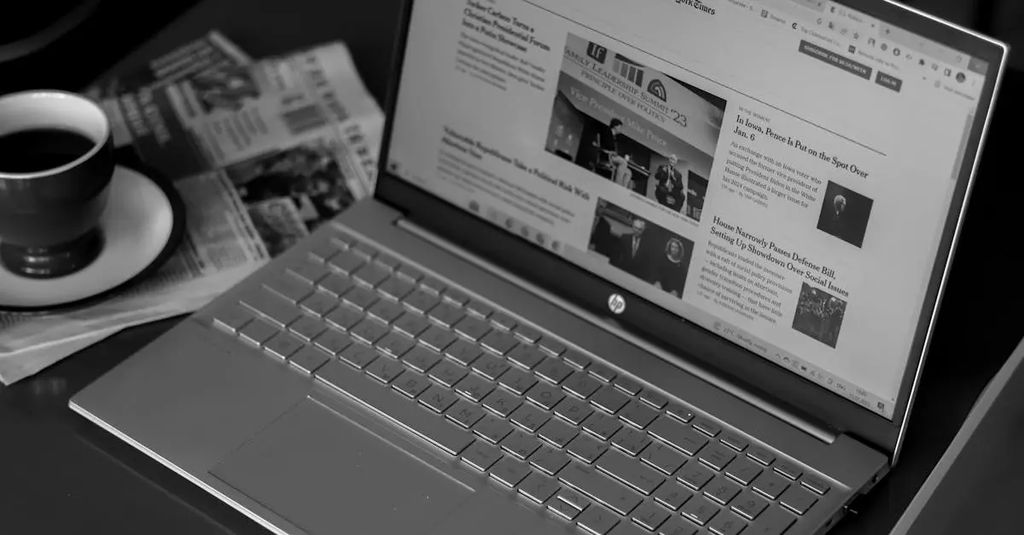
Media and politics are closely intertwined, with media serving as a primary channel for disseminating political information, shaping public opinion, and influencing political agendas. Politicians use media to communicate policies, while media outlets can frame issues, highlight scandals, or promote certain viewpoints. This relationship impacts electoral outcomes and policy debates, making media a powerful actor in democratic societies and often raising concerns about bias, misinformation, and the integrity of political discourse.
💡 Key Takeaways
- Understand how media disseminates political information and shapes public opinion.
- Learn how media framing and issue priming influence perceptions of politics and policy.
- See how politicians use media to communicate policies and manage campaigns.
- Explore media agenda-setting and its impact on political agendas and policy priorities.
❓ Frequently Asked Questions
What is the relationship between media and politics?
Media disseminates political information, informs citizens, frames issues, and helps set public agendas; politicians use media to communicate policies, while outlets influence how events are understood.
What is media framing and why does it matter?
Framing is how a media outlet presents an issue—emphasizing certain aspects and omitting others—which shapes how audiences interpret the topic and form opinions.
What is agenda-setting in political communication?
Agenda-setting is the media's power to make certain issues more salient, influencing what the public and policymakers consider important.
How do politicians and the media interact to shape public opinion?
Politicians communicate policies through speeches, interviews, and social media; the media then selects and frames coverage, which can highlight or downplay aspects of policy and influence public perception.