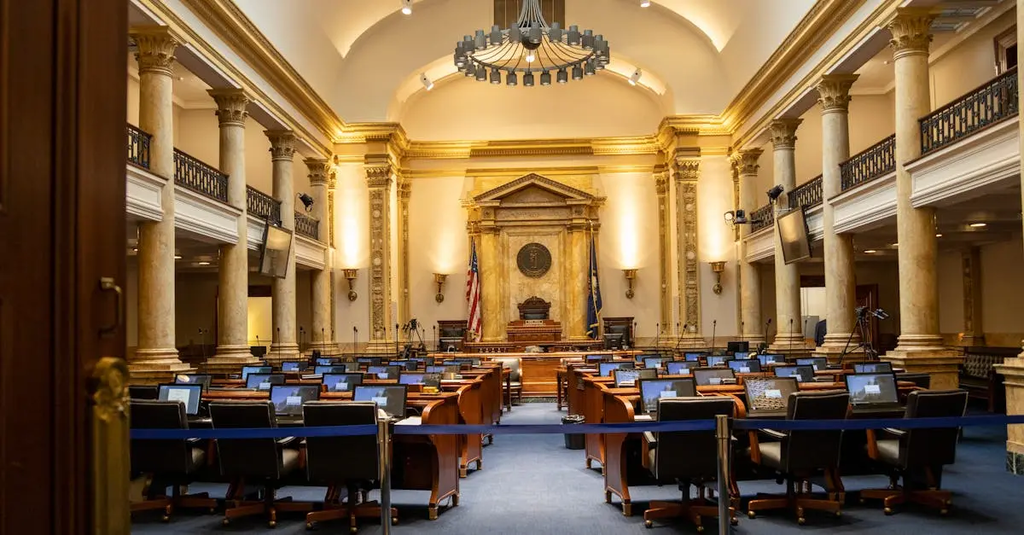
Media Law, Ethics & Regulation refers to the frameworks and guidelines governing the creation, distribution, and consumption of media content. Media law encompasses legal rules such as copyright, defamation, and privacy. Ethics involves moral principles guiding responsible journalism and media practices. Regulation includes policies and bodies that oversee media operations to ensure fairness, accuracy, and the protection of public interest, balancing freedom of expression with societal responsibilities.
Media Law, Ethics & Regulation
Media Law, Ethics & Regulation refers to the frameworks and guidelines governing the creation, distribution, and consumption of media content. Media law encompasses legal rules such as copyright, defamation, and privacy. Ethics involves moral principles guiding responsible journalism and media practices. Regulation includes policies and bodies that oversee media operations to ensure fairness, accuracy, and the protection of public interest, balancing freedom of expression with societal responsibilities.
💡 Key Takeaways
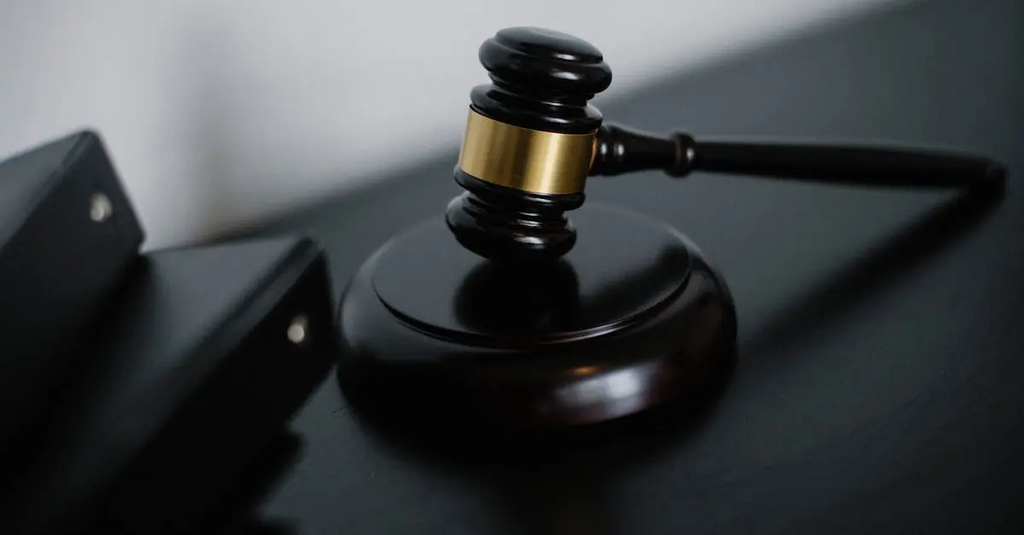
- Identify core media-law topics (copyright, defamation, privacy) and their impact on content creation.
- Explain key ethical principles for journalism (truth, accuracy, fairness, accountability) and their practical application.
- Understand how regulation and regulators shape media content across traditional and digital platforms.
- Distinguish legal obligations from ethical duties in producing, distributing, and consuming media.
❓ Frequently Asked Questions
What is media law?
The body of laws and regulations that govern how media is created, distributed, and accessed, including copyright, defamation, privacy, and broadcasting rules.
What is defamation in media?
A false statement about a person or organization that harms their reputation and is published or shared with others.
What does copyright protect in media?
Original creative works (texts, images, videos, music) from unauthorized copying, distribution, or adaptation; duration and exceptions vary by country.
What is media ethics?
The moral principles guiding responsible journalism and media practice, including accuracy, fairness, independence, transparency, and minimizing harm.