Medical imaging advances pioneered in Britain refer to groundbreaking developments in technologies such as X-rays, ultrasound, CT scans, and MRI that originated or were significantly improved in the UK. British scientists and clinicians played key roles in inventing and refining these methods, revolutionizing diagnosis and treatment. Their innovations have enabled non-invasive visualization of the human body, greatly improving patient care and contributing to global progress in medical science.
Medical imaging advances pioneered in Britain
Medical imaging advances pioneered in Britain refer to groundbreaking developments in technologies such as X-rays, ultrasound, CT scans, and MRI that originated or were significantly improved in the UK. British scientists and clinicians played key roles in inventing and refining these methods, revolutionizing diagnosis and treatment. Their innovations have enabled non-invasive visualization of the human body, greatly improving patient care and contributing to global progress in medical science.
💡 Key Takeaways
- Trace the UK’s role in the invention of CT imaging and how cross‑sectional X‑ray techniques transformed diagnosis.
- Explore how MRI was developed and refined in Britain, enabling fast, high‑resolution scans used in myriad clinical applications.
- Learn about Ian Donald’s pioneering use of ultrasound for fetal imaging and its broader impact on medical diagnostics.
- Understand how the UK’s NHS and collaborations between engineers, physicists, and clinicians accelerated adoption and ongoing innovation in medical imaging techniques (X‑ray, ultrasound, CT, MRI).
❓ Frequently Asked Questions
What does medical imaging mean?
Medical imaging uses non-invasive techniques to visualize the inside of the body, helping diagnose disease, guide treatment, and monitor health. It includes X-ray, ultrasound, CT, and MRI.
What were Britain’s contributions to X-ray imaging?
British scientists helped advance early X-ray research and radiography, including development of X-ray tubes and safer imaging practices, which supported radiology in medicine.
Who pioneered ultrasound imaging in Britain and when?
Ian Donald and colleagues in the 1950s pioneered obstetric ultrasound, enabling detailed fetal imaging and broad clinical use.
What is CT scanning and who developed it?
CT (computed tomography) creates cross-sectional body images by combining many X-ray measurements from different angles. The first CT scanner was developed by British engineer Godfrey Hounsfield (EMI) with contributions from Allan Cormack.
What is MRI and how did Britain contribute?
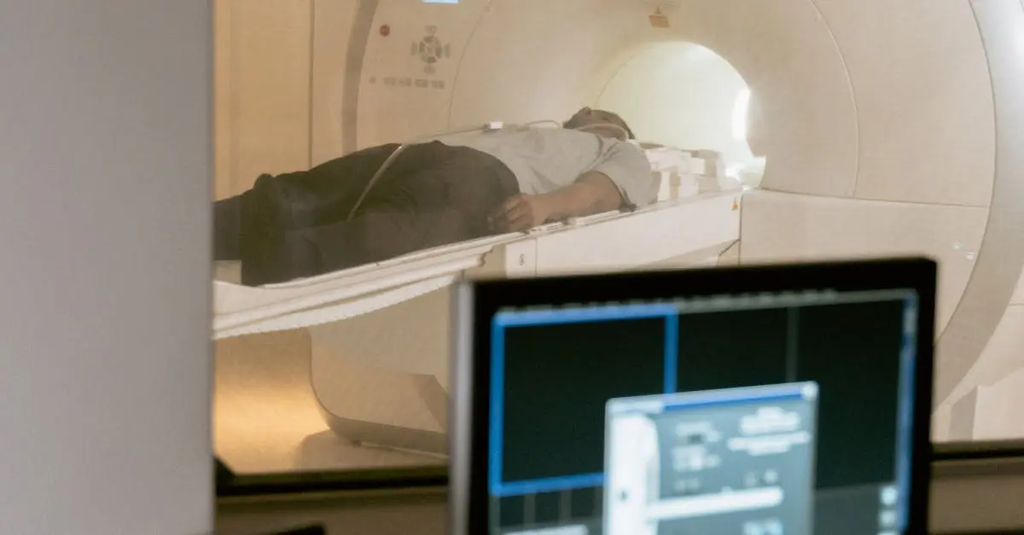
MRI uses strong magnetic fields and radio waves to image soft tissues. British physicist Sir Peter Mansfield helped advance MRI technology and imaging speed; the method was recognized with the Nobel Prize (shared with Paul Lauterbur).