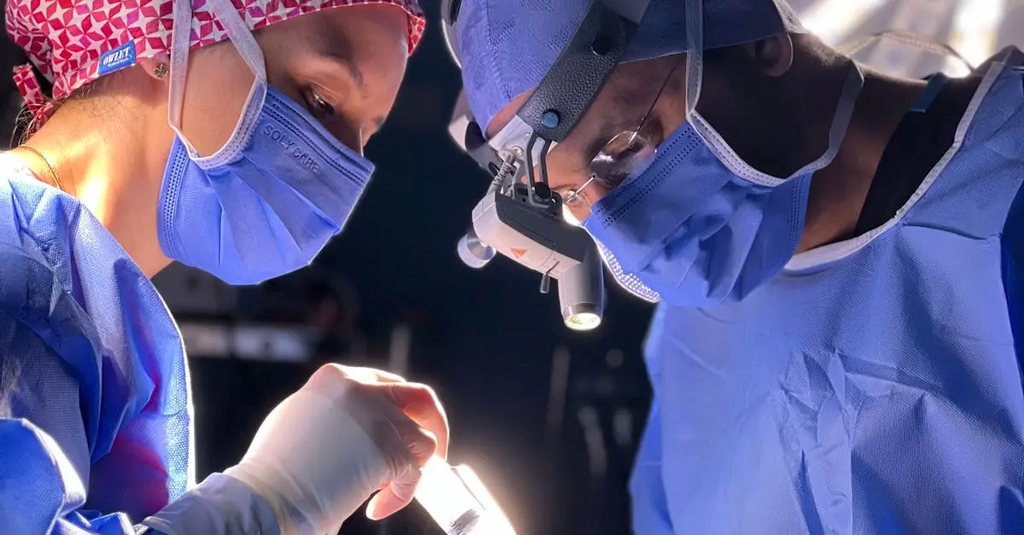
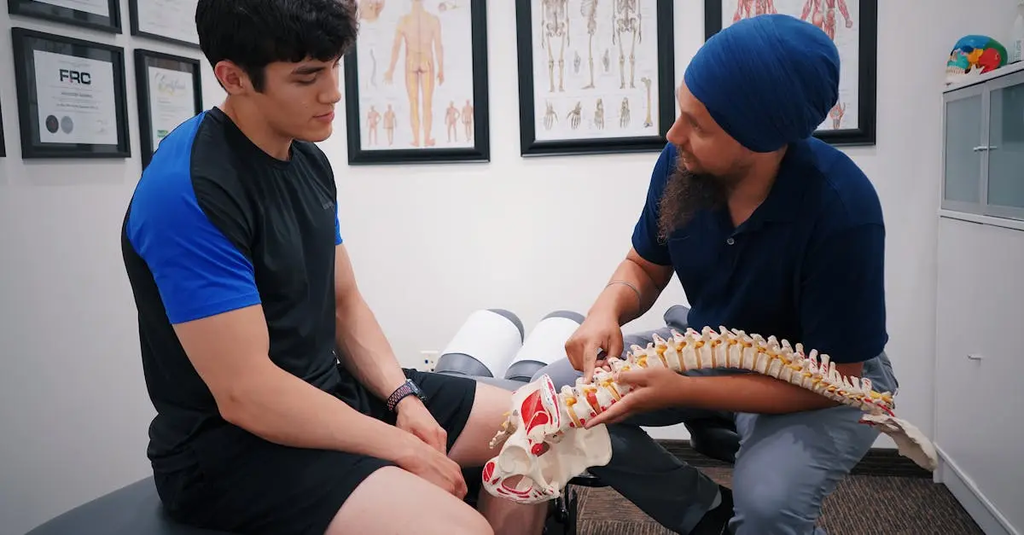
Medical innovations refer to new and advanced methods, technologies, or treatments developed to improve healthcare outcomes. These innovations can include breakthroughs in pharmaceuticals, medical devices, diagnostic tools, or surgical techniques. They aim to enhance patient care, increase treatment effectiveness, reduce recovery times, and lower healthcare costs. Medical innovations play a crucial role in combating diseases, extending life expectancy, and improving the overall quality of life for individuals and communities worldwide.
Medical Innovations+45
Medical innovations refer to new and advanced methods, technologies, or treatments developed to improve healthcare outcomes. These innovations can include breakthroughs in pharmaceuticals, medical devices, diagnostic tools, or surgical techniques. They aim to enhance patient care, increase treatment effectiveness, reduce recovery times, and lower healthcare costs. Medical innovations play a crucial role in combating diseases, extending life expectancy, and improving the overall quality of life for individuals and communities worldwide.
💡 Key Takeaways
- Understand what constitutes a medical innovation and how it differs from routine care.
- Identify the main categories: drugs/pharmaceuticals, medical devices, diagnostics, and surgical techniques.
- Learn how innovations are tested and adopted: research, clinical trials, regulatory review, and post-market monitoring.
- Discuss the impact on patient outcomes, access to care, costs, and ethical considerations.
❓ Frequently Asked Questions
What are medical innovations?
They are new or advanced methods, technologies, or treatments designed to improve healthcare outcomes, including drugs, devices, diagnostics, and surgical techniques.
What areas do medical innovations cover?
Pharmaceutical breakthroughs, medical devices, diagnostic tools, and innovative surgical techniques.
How do medical innovations improve patient care?
They enable earlier diagnosis, more effective treatments, safer procedures, and expanded options, leading to better health outcomes.
How are new medical innovations tested and approved?
They are evaluated through research and clinical trials to assess safety and effectiveness, followed by regulatory review and approval before use in practice.
What are common challenges with medical innovations?
High development costs, regulatory barriers, access disparities, and ethical considerations.