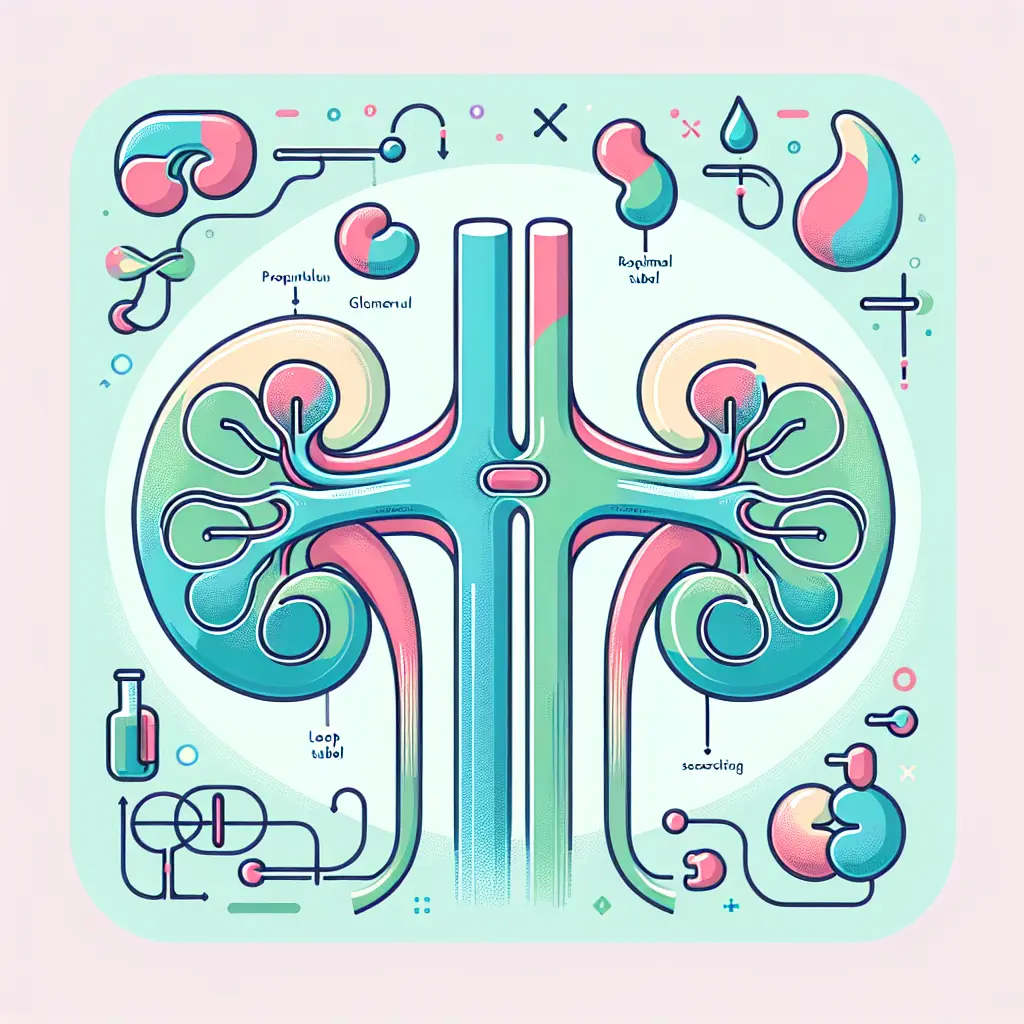
Medical terminology is a specialized language used by healthcare professionals to accurately describe the human body, its functions, diseases, procedures, and treatments. It consists of root words, prefixes, and suffixes, often derived from Greek or Latin. Mastery of medical terminology enables clear and precise communication among medical staff, ensuring effective patient care and reducing misunderstandings in clinical settings. It is fundamental in medical documentation, education, and research.
Medical Terminology
Medical terminology is a specialized language used by healthcare professionals to accurately describe the human body, its functions, diseases, procedures, and treatments. It consists of root words, prefixes, and suffixes, often derived from Greek or Latin. Mastery of medical terminology enables clear and precise communication among medical staff, ensuring effective patient care and reducing misunderstandings in clinical settings. It is fundamental in medical documentation, education, and research.
💡 Key Takeaways
- Identify key medical word parts (prefixes, roots, suffixes) and how they combine to form terms.
- Decode medical terms by breaking them into morphemes to reveal anatomy, diseases, procedures, and treatments.
- Recognize common Greek and Latin roots and morphemes frequently used in healthcare terminology.
- Understand how precise medical terminology improves clear communication among clinicians and with patients.
❓ Frequently Asked Questions
What is medical terminology?
Medical terminology is the specialized language used by healthcare professionals to describe the body, its functions, diseases, procedures, and treatments. It uses root words plus prefixes and suffixes, often from Greek or Latin, to form terms.
What are root words, prefixes, suffixes, and combining vowels?
Root words carry the core meaning (for example cardi- means heart). Prefixes modify meaning (for example hypo- means under or low). Suffixes indicate a procedure or condition (for example -itis means inflammation, -ectomy means surgical removal). A combining vowel, typically 'o', is often added to connect parts.
How do you break down a medical term?
Identify the suffix to grasp the general idea, find the prefix for location or number, and determine the root for the involved organ or body part. Use the linking vowel to connect parts for easier pronunciation.
Why is medical terminology important in healthcare?
It enables clear, precise communication among clinicians, reduces miscommunication and errors, and supports consistent documentation and international understanding.