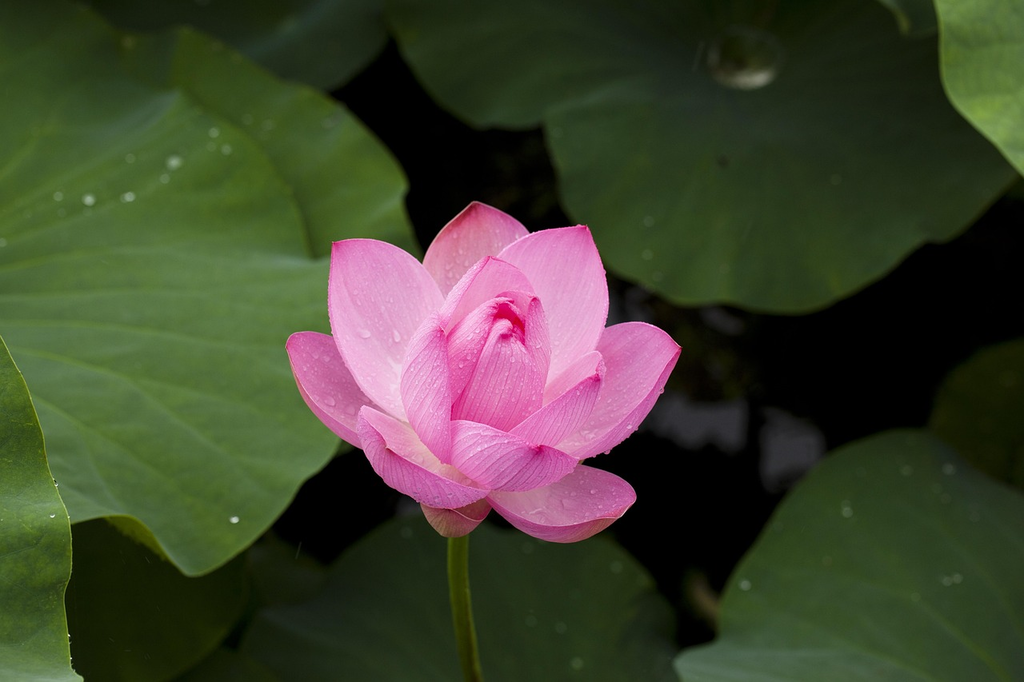
Lotuses, particularly their flower blooms, have been valued in traditional medicine for their therapeutic properties. They are believed to possess anti-inflammatory, antioxidant, and calming effects. Lotus petals and extracts are used to treat ailments such as diarrhea, fever, and skin conditions. Additionally, lotuses are thought to support heart health and improve blood circulation. Their soothing fragrance is also utilized in aromatherapy to reduce stress and promote relaxation.
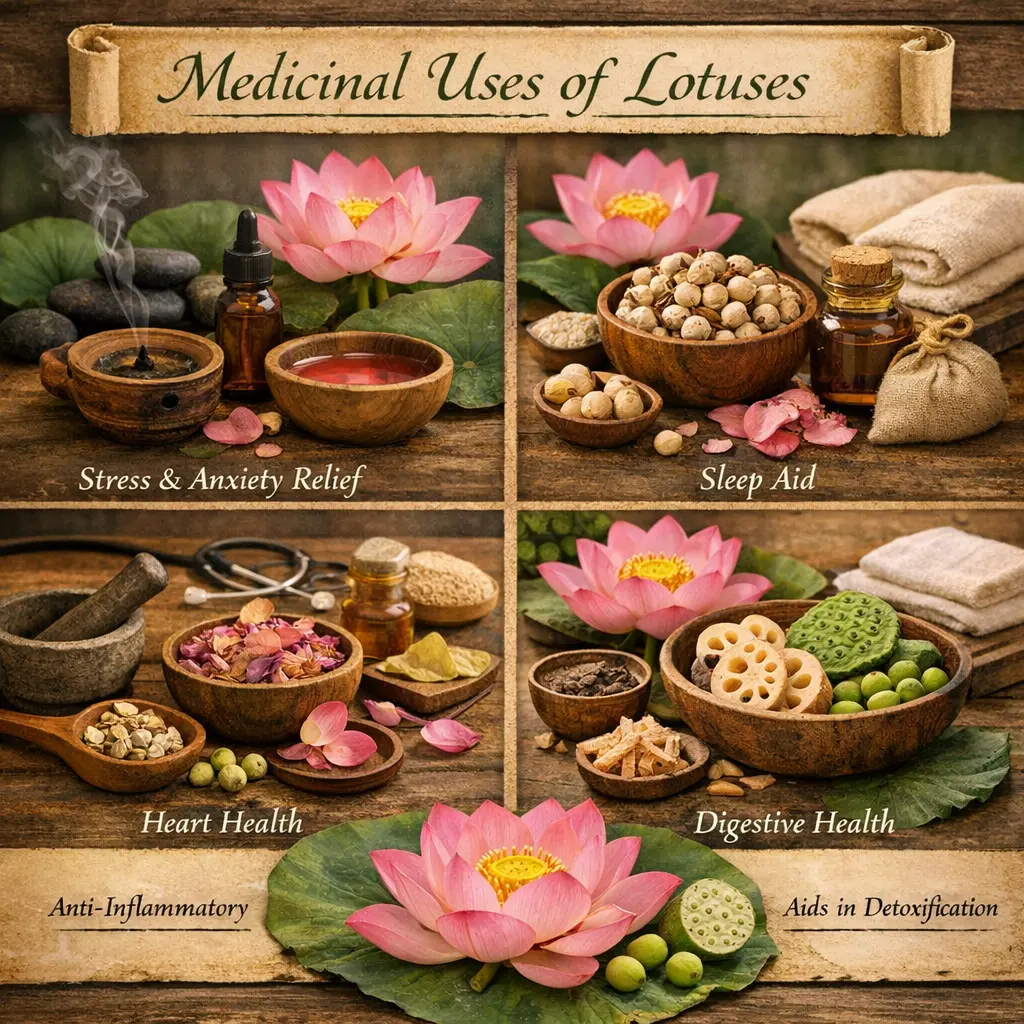
Medicinal Uses of Lotuses
Lotuses, particularly their flower blooms, have been valued in traditional medicine for their therapeutic properties. They are believed to possess anti-inflammatory, antioxidant, and calming effects. Lotus petals and extracts are used to treat ailments such as diarrhea, fever, and skin conditions. Additionally, lotuses are thought to support heart health and improve blood circulation. Their soothing fragrance is also utilized in aromatherapy to reduce stress and promote relaxation.
💡 Key Takeaways
- Identify the lotus plant parts used in traditional medicine—rhizomes, seeds, leaves, and flowers—and describe their typical roles.
- Summarize traditional uses of lotus parts in Ayurveda and Traditional Chinese Medicine, including digestive support, diuretic effects, cooling properties, and general balancing of bodily functions.
- Learn about common bioactive compounds found in lotus (flavonoids, alkaloids, and polyphenols) and how these relate to reported medicinal effects.
- Understand that modern scientific evidence is emerging and consider safety, proper dosing, and potential interactions when using lotus-based preparations.
❓ Frequently Asked Questions
Which parts of the lotus plant are commonly used in traditional medicine?
Leaves, seeds, rhizomes (root), and flowers are used; each part is prepared differently and linked to specific traditional effects.
What are lotus seeds traditionally used for?
Lotus seeds (lian zi) are used to tonify the spleen and kidneys, calm the mind, support digestion, and help stabilize stools in some traditional systems.
What are lotus leaves traditionally used for?
Lotus leaves (lian ye) are used to clear heat and dampness, promote urination, and, in some traditions, support weight management.
Are there safety considerations when using lotus-based remedies?
Use traditional preparations in recommended amounts. Consult a practitioner if pregnant/nursing, allergic, or taking other medicines.