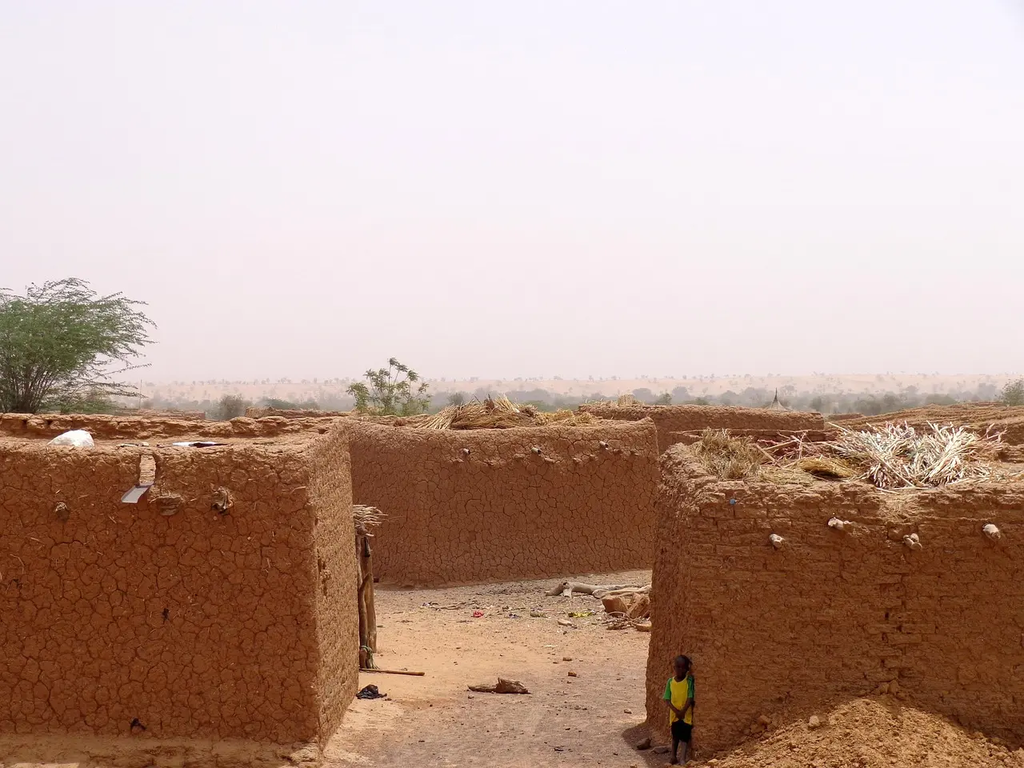
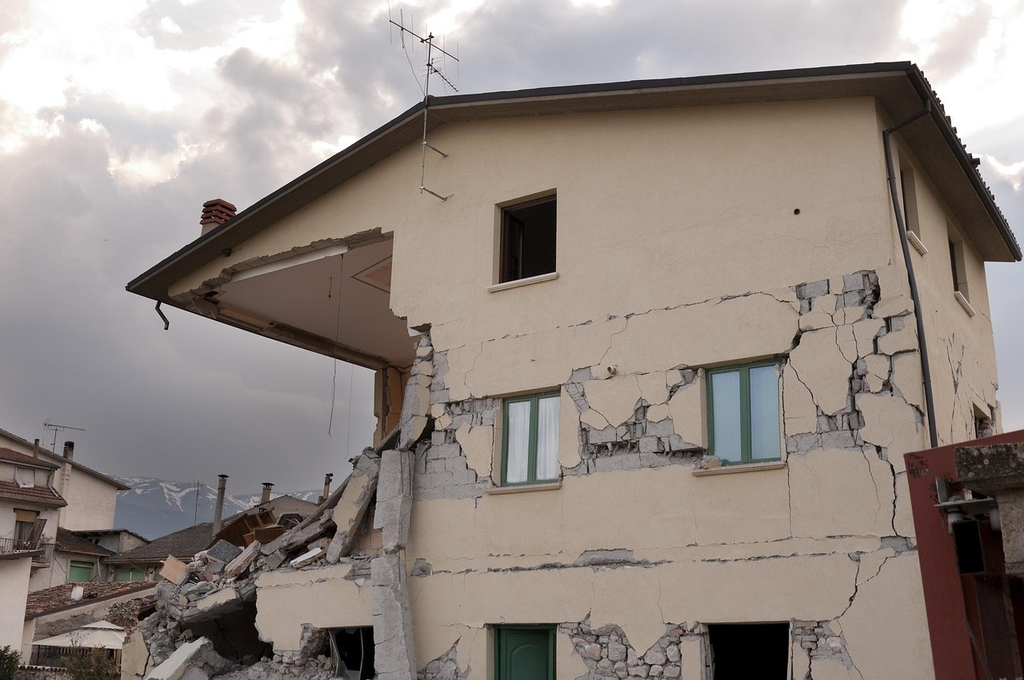
Megathrust earthquakes are powerful seismic events occurring at subduction zones, where one tectonic plate is forced beneath another. These quakes release massive amounts of energy, often exceeding magnitude 9, making them some of the most destructive natural disasters on Earth. They can cause widespread ground shaking, tsunamis, and extensive damage to infrastructure, highlighting the formidable and unpredictable power of nature’s forces beneath the planet’s surface.
Megathrust Earthquakes
Megathrust earthquakes are powerful seismic events occurring at subduction zones, where one tectonic plate is forced beneath another. These quakes release massive amounts of energy, often exceeding magnitude 9, making them some of the most destructive natural disasters on Earth. They can cause widespread ground shaking, tsunamis, and extensive damage to infrastructure, highlighting the formidable and unpredictable power of nature’s forces beneath the planet’s surface.
💡 Key Takeaways
- Define megathrust earthquakes and explain why they occur at subduction-zone plate interfaces.
- Explain why megathrust events reach the largest magnitudes (Mw 8+) and cover long rupture distances.
- Describe how megathrust earthquakes often generate tsunamis through rapid seafloor displacement.
- Discuss how scientists monitor and assess these earthquakes and their hazards, including recurrence intervals and preparedness measures.
❓ Frequently Asked Questions
What is a megathrust earthquake?
A very large earthquake that occurs on a megathrust fault at a subduction zone, where the boundary between two tectonic plates locks and releases massive slip, often generating a tsunami.
Where do megathrust earthquakes happen?
Along subduction zone boundaries around the world, especially the Pacific Ring of Fire (e.g., Chile, Japan, Alaska, Indonesia, Cascadia).
How big are they and how often do they occur?
They can reach magnitudes of 8.0 or higher (often up to 9+). Recurrence varies by fault, typically decades to centuries between large events.
Why do megathrust earthquakes often cause tsunamis?
Rupture of the seafloor displaces large volumes of water, generating tsunami waves that can travel across oceans and affect distant shores.
How are megathrust earthquakes detected and warned?
Global seismic networks detect shaking; ocean sensors monitor tsunami signals; warning centers issue alerts to help coastal communities prepare.