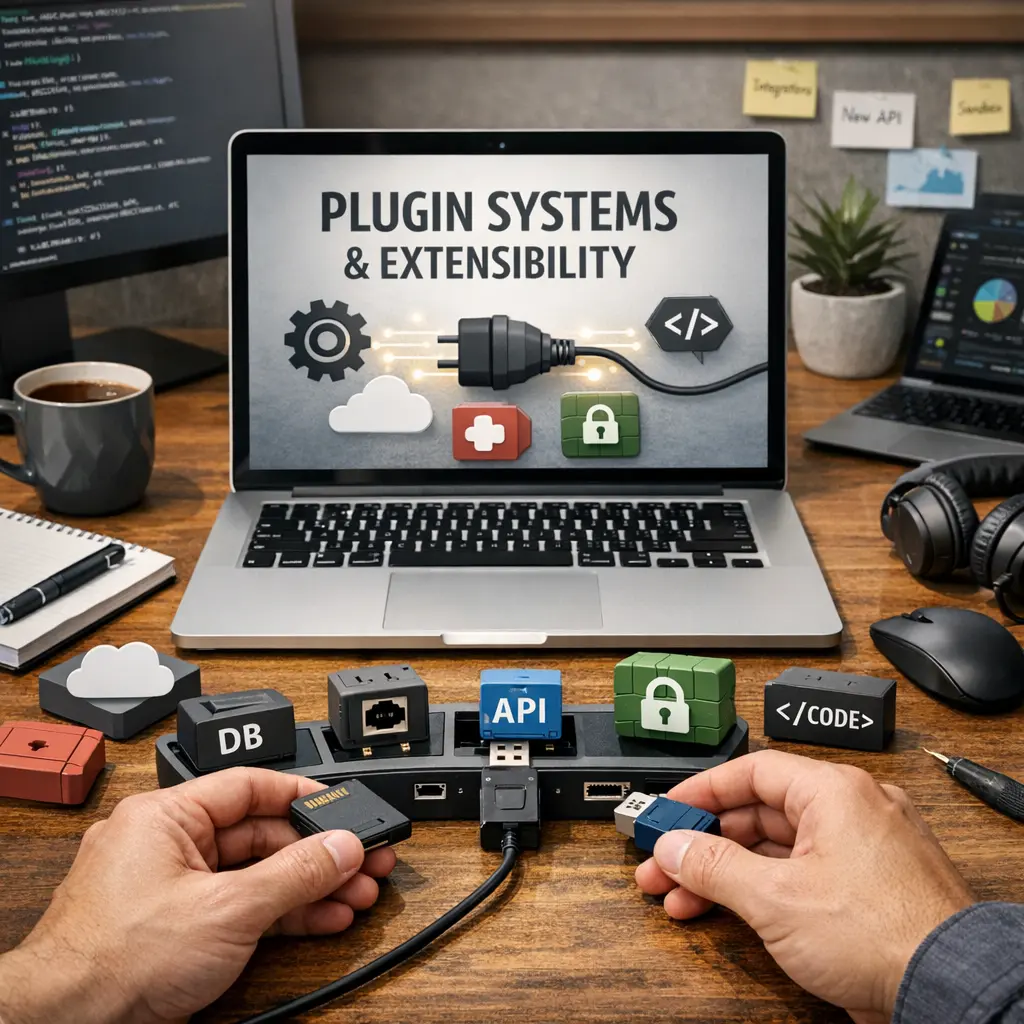
Memory Integrity, Drift & Refresh Policies in Agent Architecture refer to mechanisms ensuring the consistency and reliability of an agent’s stored information over time. Memory integrity safeguards against corruption or unauthorized changes, while drift policies manage gradual changes or deviations in memory content. Refresh policies periodically update or validate stored data to maintain accuracy and relevance, collectively ensuring that an agent’s knowledge and behaviors remain trustworthy and aligned with intended objectives.
Memory Integrity, Drift & Refresh Policies
Memory Integrity, Drift & Refresh Policies in Agent Architecture refer to mechanisms ensuring the consistency and reliability of an agent’s stored information over time. Memory integrity safeguards against corruption or unauthorized changes, while drift policies manage gradual changes or deviations in memory content. Refresh policies periodically update or validate stored data to maintain accuracy and relevance, collectively ensuring that an agent’s knowledge and behaviors remain trustworthy and aligned with intended objectives.
💡 Key Takeaways
- Define memory integrity and why it matters for data correctness and security.
- Explain what drift means in memory systems and how timing/state drift can impact operations.
- Describe DRAM refresh basics and how refresh policies protect data retention.
- Identify approaches to optimize refresh policies, including ECC, scrubbing, and tuning for performance vs. integrity.
❓ Frequently Asked Questions
What is memory integrity?
Memory integrity is the protection of memory contents from corruption or tampering, achieved with techniques like ECC memory, memory protection features, and code/data integrity checks to keep data reliable.
What is memory drift?
Memory drift refers to timing discrepancies between memory components (such as the memory controller and DRAM) that can affect read/write timing and system stability. It is mitigated by clock calibration and stable operating conditions.
What are refresh policies in DRAM?
DRAM cells leak charge over time and must be refreshed periodically. A refresh policy defines how often and in what pattern memory rows are refreshed, balancing data retention, performance, and power use.
How do memory integrity, drift, and refresh policies affect system reliability?
Strong memory integrity reduces data corruption; proper refresh policies prevent data loss from leakage; managing drift ensures timing accuracy. Together, they improve stability and reduce memory-related errors.