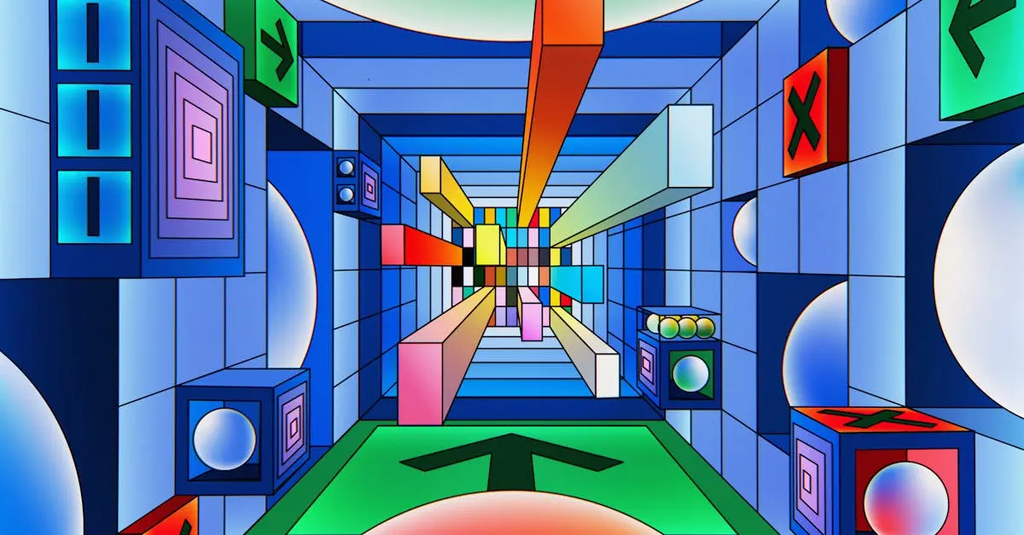
The phrase "Memory, Trauma, and Visuality" explores how personal or collective memories, especially those shaped by traumatic experiences, are represented and processed through visual means such as images, art, or film. It considers how visual representations can evoke, distort, or help heal trauma, as well as how the act of seeing or visualizing can both trigger and mediate memories, influencing individual and societal understandings of past events.
Memory, Trauma, and Visuality
The phrase "Memory, Trauma, and Visuality" explores how personal or collective memories, especially those shaped by traumatic experiences, are represented and processed through visual means such as images, art, or film. It considers how visual representations can evoke, distort, or help heal trauma, as well as how the act of seeing or visualizing can both trigger and mediate memories, influencing individual and societal understandings of past events.
💡 Key Takeaways
- Understand how personal and collective trauma is conveyed through art, photography, and film.
- Analyze how visual representations evoke, distort, or facilitate healing from trauma.
- Explore key concepts, methods, and ethics in reading memory and trauma in art and media.
- Identify visual strategies (symbolism, montage, palimpsest, documentary realism) used to render trauma and shape viewer response.
❓ Frequently Asked Questions
What is the main focus of Memory, Trauma, and Visuality in art history?
It studies how memories shaped by trauma are represented in images, art, and film, and how visuals can evoke, challenge, or contribute to healing.
How can visual works convey trauma without explicit scenes?
Through symbolism, fragmentation, abstraction, and composition—using color, light, and form to imply events beyond what is shown.
What role do images play in collective or public memory?
They become shared memories—memorials, archives, and exhibitions—that shape how communities remember and discuss traumatic pasts.
Which theoretical approaches are commonly used to analyze memory, trauma, and visuality?
Memory studies, trauma theory, psychoanalysis, and visual culture approaches help interpret how images mediate memory and suffering.
How can art and exhibitions support healing from trauma?
By bearing witness for survivors, fostering dialogue, and offering interpretive spaces that promote reflection and gradual processing.