Menu engineering, pricing psychology, and profitability are interconnected strategies in the restaurant industry. Menu engineering involves analyzing and designing menus to highlight high-profit, popular items. Pricing psychology uses techniques like charm pricing or value perception to influence customer choices and increase sales. Together, these approaches aim to optimize menu layouts, encourage the purchase of profitable dishes, and ultimately maximize a restaurant's overall profitability by aligning customer behavior with business goals.
Menu engineering, pricing psychology, and profitability
Menu engineering, pricing psychology, and profitability are interconnected strategies in the restaurant industry. Menu engineering involves analyzing and designing menus to highlight high-profit, popular items. Pricing psychology uses techniques like charm pricing or value perception to influence customer choices and increase sales. Together, these approaches aim to optimize menu layouts, encourage the purchase of profitable dishes, and ultimately maximize a restaurant's overall profitability by aligning customer behavior with business goals.
💡 Key Takeaways
- Understand how menu engineering links menu design to profitability and item performance.
- Learn how to assess and categorize menu items by profitability and popularity to guide changes.
- Explore pricing psychology techniques (e.g., charm pricing and value perception) and how they influence guest decisions.
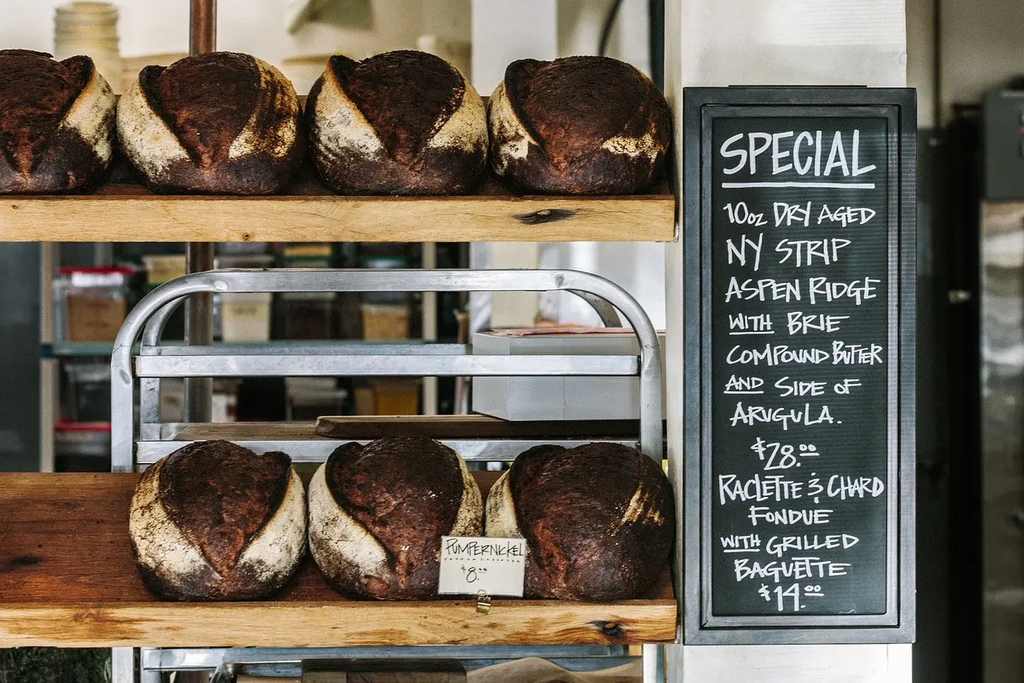
- Apply practical menu design tactics (item placement, descriptions, and highlights) to steer customers toward higher-margin items and boost profitability.
❓ Frequently Asked Questions
What is menu engineering?
Menu engineering analyzes menu items for profitability and popularity to design a menu that promotes high-profit, popular dishes, often using categories like Stars, Plowhorses, Puzzles, and Dogs.
What is pricing psychology and how does it affect menu choices?
Pricing psychology uses pricing cues to influence perception of value and choices, such as charm pricing (ending prices with .99) and positioning items to appear as better value or premium options.
What are the four menu-item categories used in menu engineering?
Stars (high profit, high popularity), Plowhorses (low profit, high popularity), Puzzles (high profit, low popularity), and Dogs (low profit, low popularity).
How can menu design impact profitability?
Strategic item placement, descriptions, and highlighting high-margin items can steer customers toward profitable choices and improve overall profitability.