Meteotsunamis are large, unexpected waves caused by rapid changes in atmospheric pressure, often linked to storms or fast-moving weather systems. Unlike seismic tsunamis triggered by earthquakes, meteotsunamis form when weather disturbances transfer energy to bodies of water, creating dangerous surges. These waves can strike coastlines with little warning, posing risks to boats, harbors, and beachgoers. Their sudden appearance and destructive power highlight the unpredictable and sometimes frightening aspects of nature.
Meteotsunamis
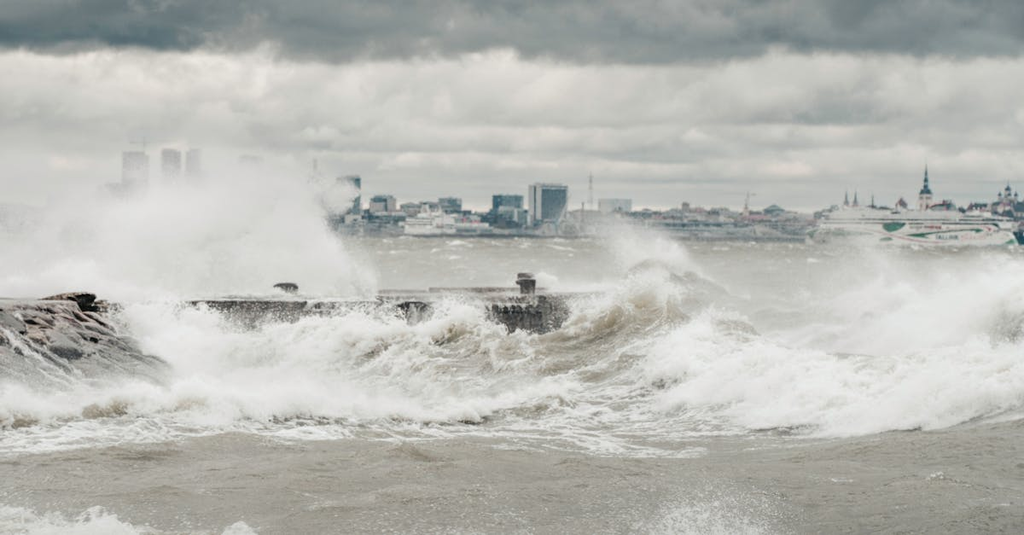
Meteotsunamis are large, unexpected waves caused by rapid changes in atmospheric pressure, often linked to storms or fast-moving weather systems. Unlike seismic tsunamis triggered by earthquakes, meteotsunamis form when weather disturbances transfer energy to bodies of water, creating dangerous surges. These waves can strike coastlines with little warning, posing risks to boats, harbors, and beachgoers. Their sudden appearance and destructive power highlight the unpredictable and sometimes frightening aspects of nature.
💡 Key Takeaways
- Define meteotsunamis and how they form.
- Distinguish meteotsunamis from tsunamis and other coastal waves.
- Identify triggers such as rapid pressure changes and fast-moving storms.
- Explain how scientists monitor and warn about meteotsunamis.
❓ Frequently Asked Questions
What is a meteotsunami?
A meteotsunami is a tsunami-like change in sea level caused by rapid atmospheric disturbances (especially sudden air-pressure changes and fast-moving weather systems) rather than earthquakes.
What causes meteotsunamis?
They are driven by quick atmospheric pressure changes (the inverse barometer effect) and energy transfer from atmospheric waves or storms moving along the coast, amplified by coastal shelf geometry.
How are meteotsunamis different from tectonic tsunamis?
Meteotsunamis are weather-driven, while tectonic tsunamis are caused by underwater earthquakes or landslides. Meteotsunamis can occur without earthquakes and may have different waveforms and timing.
How can you stay safe during meteotsunami events?
Follow weather and local alerts, avoid beaches during forecasted meteotsunami conditions, and move to higher ground or inland well before surge or rapid water level changes occur.