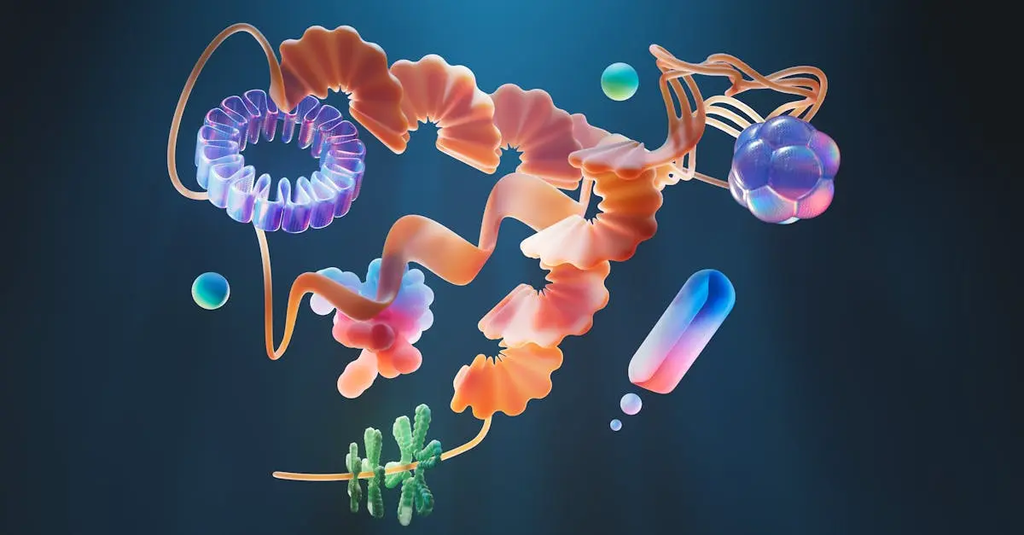
Microbiology & Immunology Principles encompass the foundational concepts of how microorganisms, such as bacteria, viruses, fungi, and parasites, interact with humans and the environment. These principles include understanding microbial structure, function, growth, and genetics, as well as the mechanisms by which the immune system recognizes and defends against pathogens. Together, they form the basis for studying infectious diseases, immunity, vaccination, and the body’s defense strategies against harmful invaders.
Microbiology & Immunology Principles
Microbiology & Immunology Principles encompass the foundational concepts of how microorganisms, such as bacteria, viruses, fungi, and parasites, interact with humans and the environment. These principles include understanding microbial structure, function, growth, and genetics, as well as the mechanisms by which the immune system recognizes and defends against pathogens. Together, they form the basis for studying infectious diseases, immunity, vaccination, and the body’s defense strategies against harmful invaders.
💡 Key Takeaways
- Identify basic microbial structures (bacteria, viruses, fungi, parasites) and how they influence function and host interaction.
- Explain microbial growth, metabolism, and genetics, including replication and genetic variation.
- Describe host–microbe interactions and the fundamentals of innate and adaptive immune responses to microbes.
- Understand mechanisms of microbial pathogenesis and how environmental factors affect transmission and survival.
- Recognize key laboratory techniques used to study microorganisms and the basics of biosafety.
❓ Frequently Asked Questions
What are the main groups of microorganisms studied in microbiology?
Bacteria, viruses, fungi, and parasites are the core groups; each has distinct structures, lifecycles, and roles in health and disease.
What is the difference between prokaryotic and eukaryotic cells?
Prokaryotes lack a nucleus and membrane‑bound organelles; eukaryotes have a nucleus and organelles, which affects growth, metabolism, and how they respond to treatments.
How do vaccines protect against infectious diseases?
Vaccines prime the adaptive immune system by creating memory B and T cells, enabling a faster, stronger response if the real pathogen is encountered.
Why is microbial genetics important in microbiology?
Genetic variation drives traits such as growth, metabolism, virulence, and resistance to antibiotics through mutations and horizontal gene transfer.