Minimalism and decluttering refer to the intentional practice of simplifying one’s life by reducing physical possessions and unnecessary distractions. This approach emphasizes keeping only items that serve a purpose or bring joy, creating a more organized, peaceful, and functional living space. By letting go of excess, individuals can focus on what truly matters, reduce stress, and cultivate a sense of clarity and freedom in their daily lives.
Minimalism & Decluttering+50
Minimalism and decluttering refer to the intentional practice of simplifying one’s life by reducing physical possessions and unnecessary distractions. This approach emphasizes keeping only items that serve a purpose or bring joy, creating a more organized, peaceful, and functional living space. By letting go of excess, individuals can focus on what truly matters, reduce stress, and cultivate a sense of clarity and freedom in their daily lives.
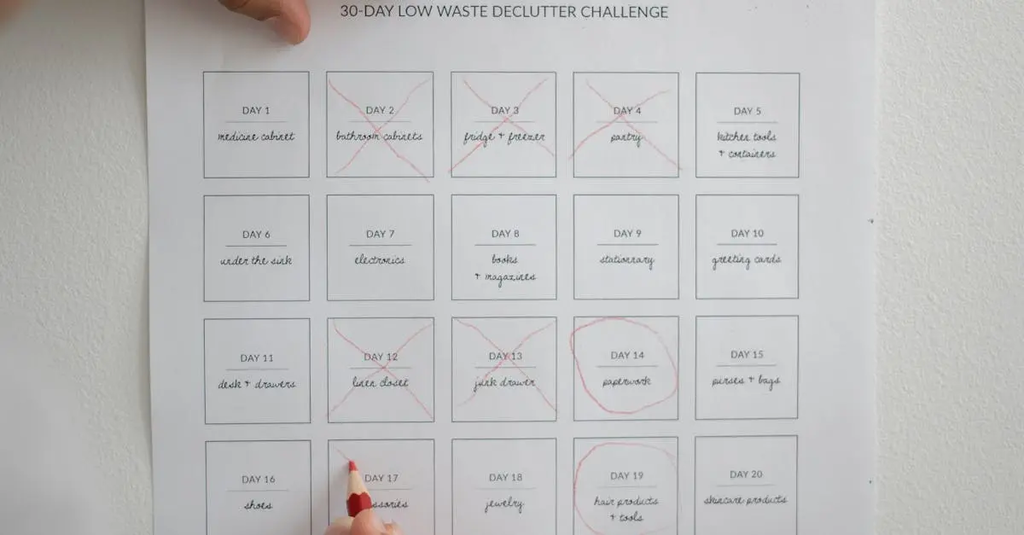
💡 Key Takeaways
- Understand the core idea of minimalism: keep only items that serve a purpose or bring joy.
- Learn practical decluttering steps, including sorting items into keep, donate/sell, or discard.
- Explore how reducing physical possessions can reduce distractions and create a calmer, more organized living space.
- Develop habits to maintain a minimalist environment, such as mindful purchasing and periodic space reviews.
❓ Frequently Asked Questions
What is minimalism?
Minimalism is a lifestyle that prioritizes keeping only items that serve a purpose or bring joy, while reducing possessions and distractions to create a simpler, calmer living space.
What is decluttering?
Decluttering is the deliberate process of removing excess items from your space to achieve a more organized, functional environment.
How are minimalism and decluttering related?
Decluttering is often the first step in living minimally: you remove what you don't need, then maintain a pared-down space aligned with your values.
Where should I start with minimalism?
Start small: choose a single space (like a closet or drawer), decide what to keep/donate/sell/trash, and set simple rules to prevent reaccumulation, focusing on usefulness and joy.