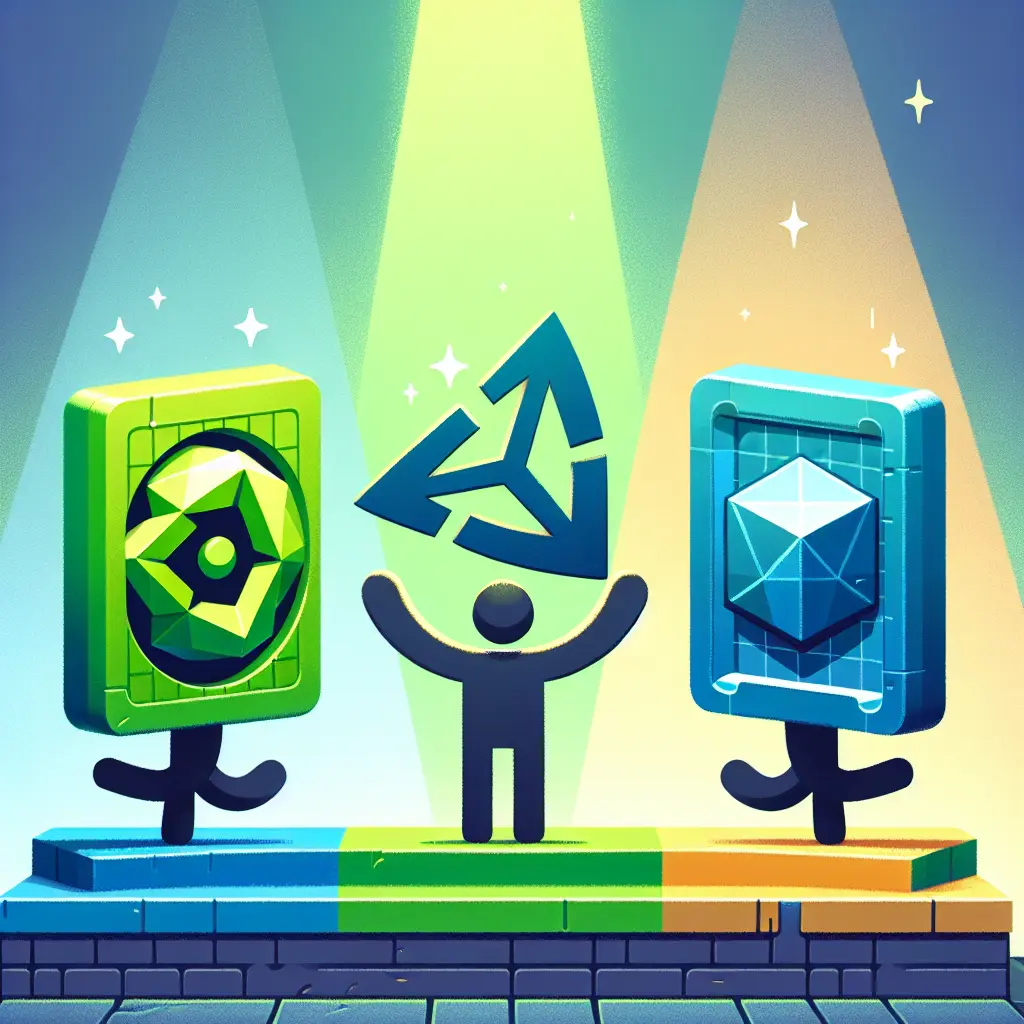
Mobile gacha games use a randomized reward system, where players spend in-game currency—often bought with real money—to obtain virtual items or characters. This model encourages repeated spending through limited-time events, rare item drops, and collection mechanics. Monetization relies heavily on microtransactions, offering convenience, cosmetic upgrades, or gameplay advantages, making revenue from both free and paying users. The system thrives on psychological incentives, driving engagement and maximizing profit.
Mobile Gacha and Monetization Models
Mobile gacha games use a randomized reward system, where players spend in-game currency—often bought with real money—to obtain virtual items or characters. This model encourages repeated spending through limited-time events, rare item drops, and collection mechanics. Monetization relies heavily on microtransactions, offering convenience, cosmetic upgrades, or gameplay advantages, making revenue from both free and paying users. The system thrives on psychological incentives, driving engagement and maximizing profit.
💡 Key Takeaways
- Understand how randomized rewards in gacha systems work and how probabilities impact what players receive.
- Learn how in-game currencies, often purchased with real money, drive the monetization cycle in mobile gacha games.
- Identify mechanics that sustain spending, such as limited-time events, rarity tiers, pity systems, and collection goals.
- Explore how player psychology shapes monetization, including the roles of casual players, mid spenders, and high spenders.
- Consider ethical and regulatory considerations, like odds transparency, gambling-like mechanics, and safeguards for players.
❓ Frequently Asked Questions
What is a mobile gacha game?
A mobile game that uses randomized rewards (pulls) for items or characters, typically funded by buying in-game currency with real money.
How does the gacha mechanic work?
Players spend in-game currency to perform pulls that randomly grant items or characters; outcomes are determined by RNG and item rarity varies.
What is in-game currency and why is real money involved?
In-game currency is digital money earned or purchased. Real money buys this currency, which is then used to perform pulls and obtain rewards.
What is a pity system in gacha games?
A feature that guarantees a high-rarity item after a set number of unsuccessful pulls, helping manage luck and guide spending.
How do limited-time events and collection mechanics influence rewards?
Limited-time events offer exclusive rewards and encourage spending, while collection mechanics reward players for gathering items, boosting engagement.