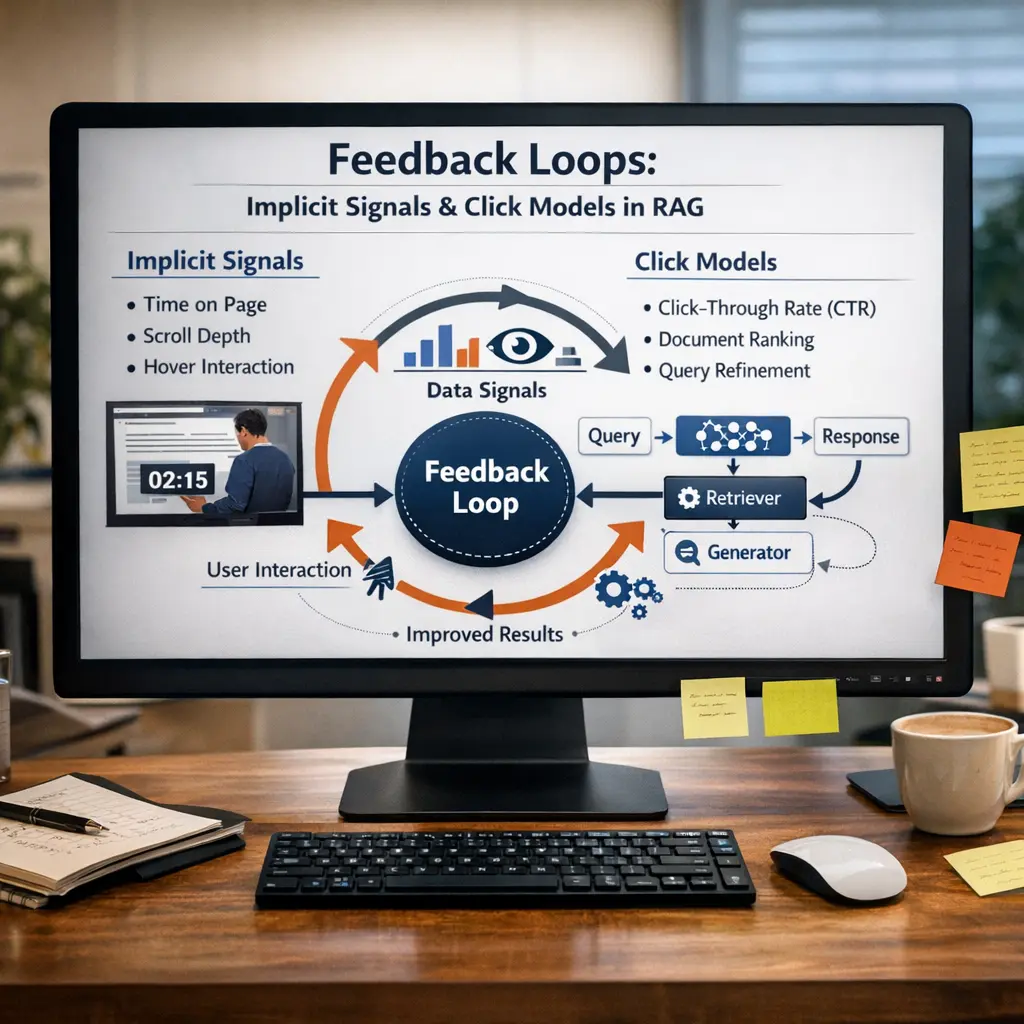
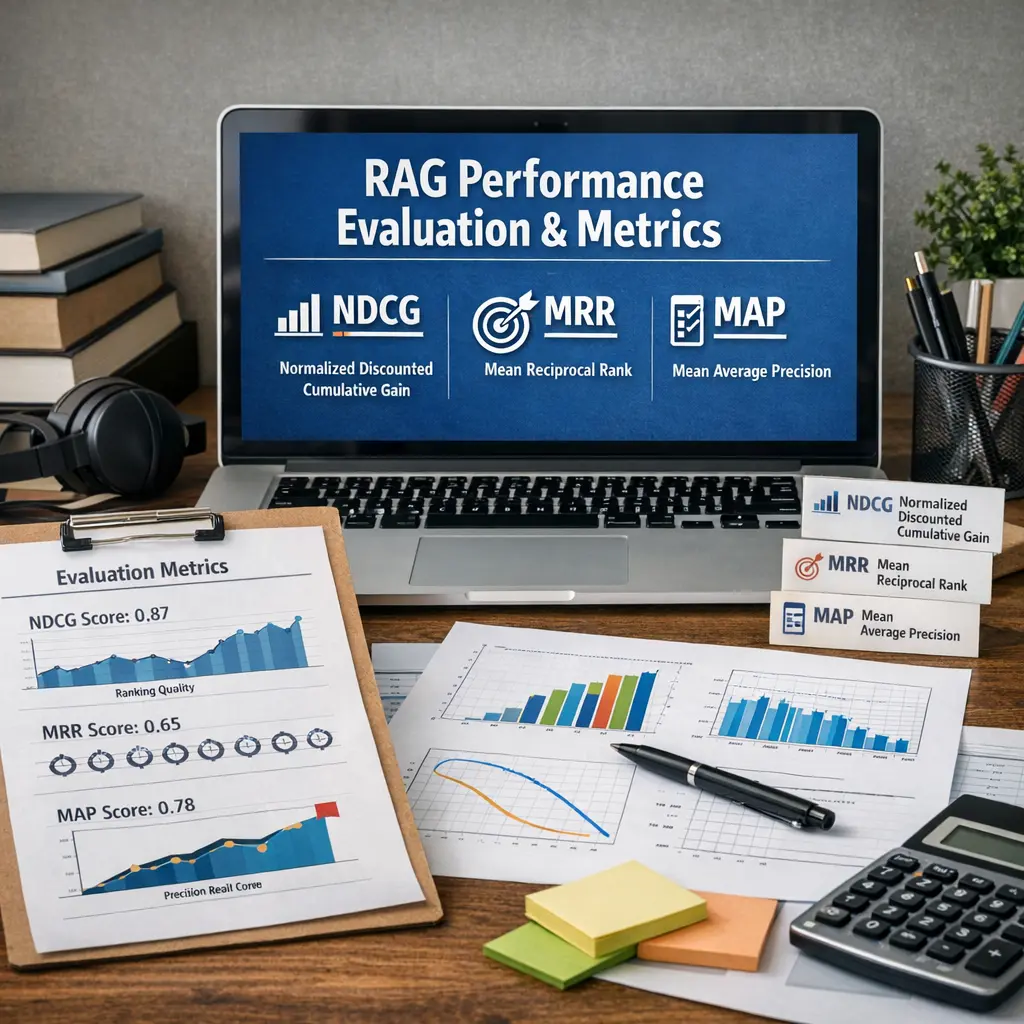
Model Risk Management and Change Control for RAG involves identifying, assessing, and mitigating risks associated with Retrieval-Augmented Generation systems, ensuring their reliability, accuracy, and compliance. It includes establishing robust governance frameworks, monitoring model performance, documenting changes, and implementing approval workflows for updates. This process ensures that modifications to data sources, retrieval algorithms, or generation models are controlled, traceable, and do not introduce unintended errors or biases, maintaining the integrity and trustworthiness of RAG outputs.
Model Risk Management and Change Control for RAG
Model Risk Management and Change Control for RAG involves identifying, assessing, and mitigating risks associated with Retrieval-Augmented Generation systems, ensuring their reliability, accuracy, and compliance. It includes establishing robust governance frameworks, monitoring model performance, documenting changes, and implementing approval workflows for updates. This process ensures that modifications to data sources, retrieval algorithms, or generation models are controlled, traceable, and do not introduce unintended errors or biases, maintaining the integrity and trustworthiness of RAG outputs.

💡 Key Takeaways
- Understand the core concepts of Model Risk Management for Retrieval-Augmented Generation (RAG) systems and how governance applies.
- Learn to implement change control for all RAG components (model, retriever, index, prompts, and data) with versioning, approvals, and safe rollbacks.
- Identify and monitor key risk indicators for RAG, including retrieval quality, hallucination rate, latency, and data drift, with proactive remediation.
- Establish governance, auditability, and documentation practices such as model cards, logging, reproducibility, and regulatory considerations to support compliance.
❓ Frequently Asked Questions
What is model risk management (MRM)?
MRM is the framework to identify, measure, monitor, and mitigate risks from models used in decision‑making, including governance, validation, monitoring, and controls across the model life cycle.
What is change control in model risk management?
A formal process to propose, review, approve, implement, and document changes to a model to ensure alterations are tracked and do not introduce new risk.
How does Red-Amber-Green (RAG) rating relate to model risk?
RAG provides a simple risk score: Red = high risk or poor performance, Amber = moderate risk, Green = low risk; it helps prioritize remediation and escalation.
What are the key steps in a model change control workflow?
Define the change and rationale, assess impact, plan validation, obtain approvals, implement the change, monitor results, document the change, and conduct a post-implementation review.
Why is documentation and traceability important in MRM?
Documentation enables auditability, reproducibility, regulatory compliance, and effective root-cause analysis when issues arise.