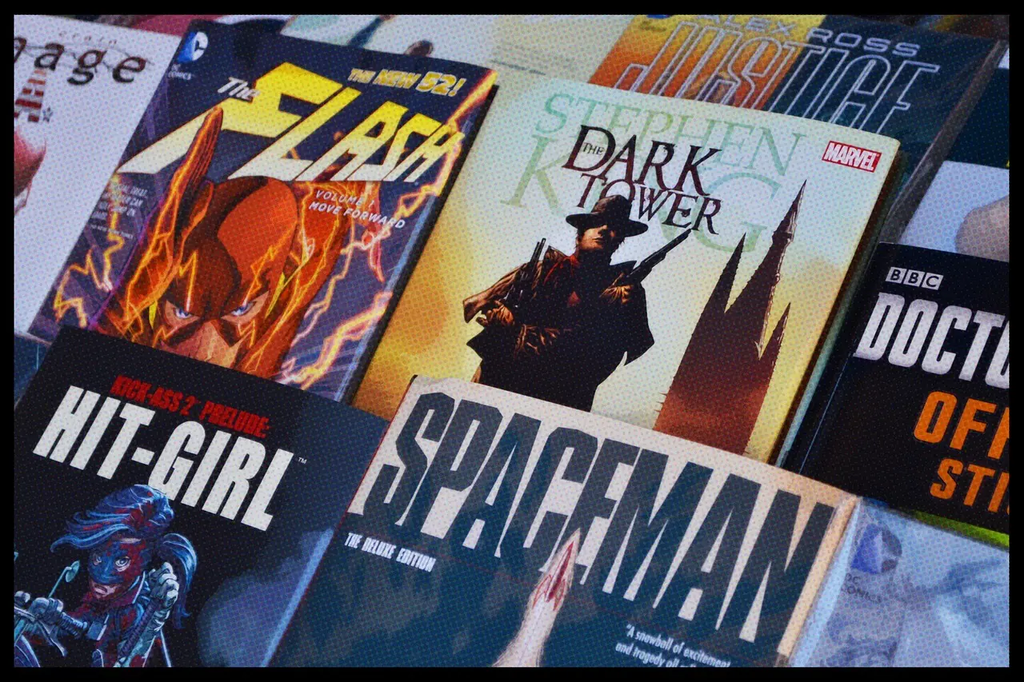
The Modern Age of Superheroes refers to the era in comic books and popular culture, beginning in the mid-1980s, characterized by more complex, mature storytelling and nuanced characters. Superheroes in this period often face moral ambiguity, personal struggles, and societal issues, moving beyond the traditional good-versus-evil narratives. This age has seen the rise of diverse heroes, innovative art styles, and the integration of real-world themes, greatly influencing movies, television, and global pop culture.
Modern Age of Superheroes
The Modern Age of Superheroes refers to the era in comic books and popular culture, beginning in the mid-1980s, characterized by more complex, mature storytelling and nuanced characters. Superheroes in this period often face moral ambiguity, personal struggles, and societal issues, moving beyond the traditional good-versus-evil narratives. This age has seen the rise of diverse heroes, innovative art styles, and the integration of real-world themes, greatly influencing movies, television, and global pop culture.
💡 Key Takeaways
- Identify how modern superhero stories emphasize moral ambiguity and character complexity.
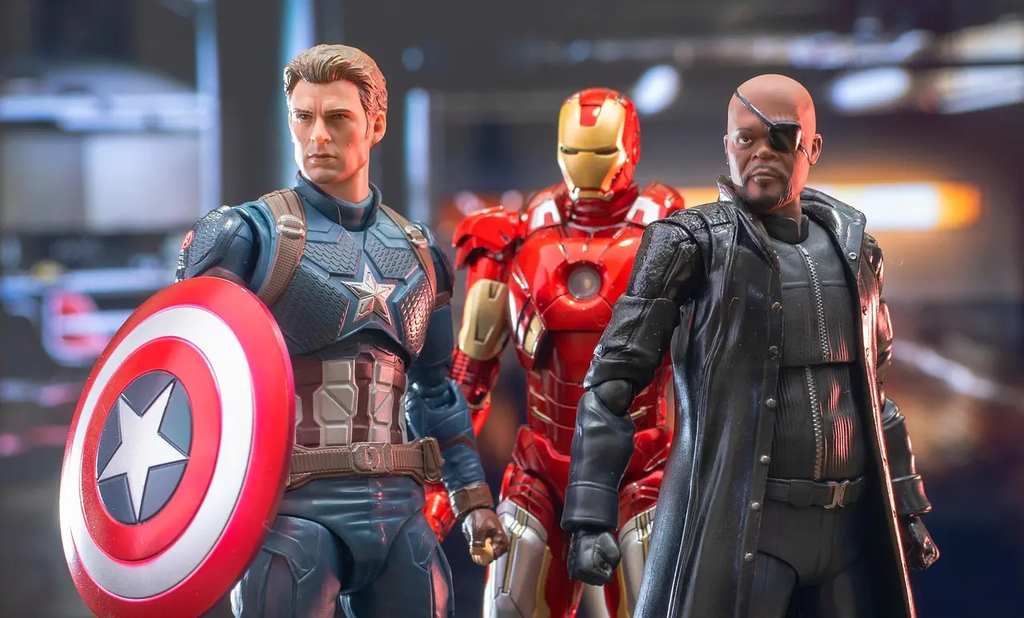
- Explain how TV, streaming, and films influence contemporary superhero portrayals.
- Understand themes of power, responsibility, and ethics in the modern era.
- Recognize shifts in representation and diversity in superhero casts and storytelling.
❓ Frequently Asked Questions
What is the Modern Age of superheroes?
An ongoing era in superhero comics roughly starting in the late 1980s/1990s and continuing today, characterized by darker tones, more complex characters, serialized crossovers, and broader representation.
How is the Modern Age different from the Bronze or Silver Age?
It tends to feature mature themes, morally gray heroes, longer story arcs, frequent crossovers, and a stronger presence in other media.
What storytelling traits are common in Modern Age superhero comics?
Long-form arcs, flawed or antihero protagonists, high-stakes conflicts, character-driven plots, and cross-title events.
Which publishers and trends define the Modern Age?
Marvel and DC dominate, with influential indie publishers (e.g., Image) rising in the 1990s and a push toward diverse heroes and creator-owned projects.
How can you identify a 'modern' superhero in a story or quiz?
Look for contemporary settings, relatable flaws, timely themes, and stories tied to a wider multimedia universe.