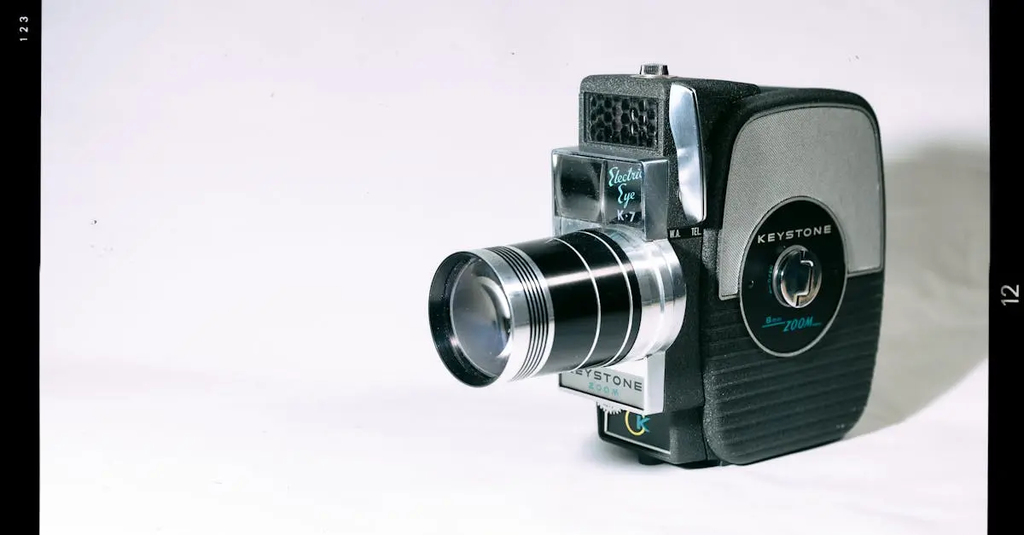
Modern cinema refers to contemporary filmmaking practices, styles, and technologies that have emerged from the late 20th century to the present. It is characterized by advanced special effects, diverse storytelling, and global influences. Digital technology has revolutionized production and distribution, making films more accessible. Modern cinema often explores complex themes, embraces multiculturalism, and pushes creative boundaries, reflecting current societal issues and trends while appealing to a wide, international audience.
Modern Cinema+50
Modern cinema refers to contemporary filmmaking practices, styles, and technologies that have emerged from the late 20th century to the present. It is characterized by advanced special effects, diverse storytelling, and global influences. Digital technology has revolutionized production and distribution, making films more accessible. Modern cinema often explores complex themes, embraces multiculturalism, and pushes creative boundaries, reflecting current societal issues and trends while appealing to a wide, international audience.

💡 Key Takeaways
- How digital technology, CGI, and modern editing reshape production and visual storytelling
- Diverse, global storytelling and cross-cultural influences shaping contemporary cinema
- The rise of streaming and digital distribution and their impact on film releases and audiences
- Contemporary aesthetics and workflows, including digital cinematography, sound design, and post-production practices
❓ Frequently Asked Questions
What is modern cinema?
Contemporary filmmaking from the late 20th century to today, characterized by digital technology, diverse storytelling, and global influence.
How has digital technology changed production and distribution?
Digital cameras, CGI, and digital editing have streamlined production, while online platforms and streaming have broadened how films are distributed and accessed worldwide.
What storytelling trends are common in modern cinema?
Diverse perspectives, non-linear narratives, ensemble casts, and a blending of genres are frequent in modern films.
Why is global influence important in modern cinema?
International collaborations and cross-cultural storytelling expand topics, casting, and markets, shaping what films are made and how they are received globally.