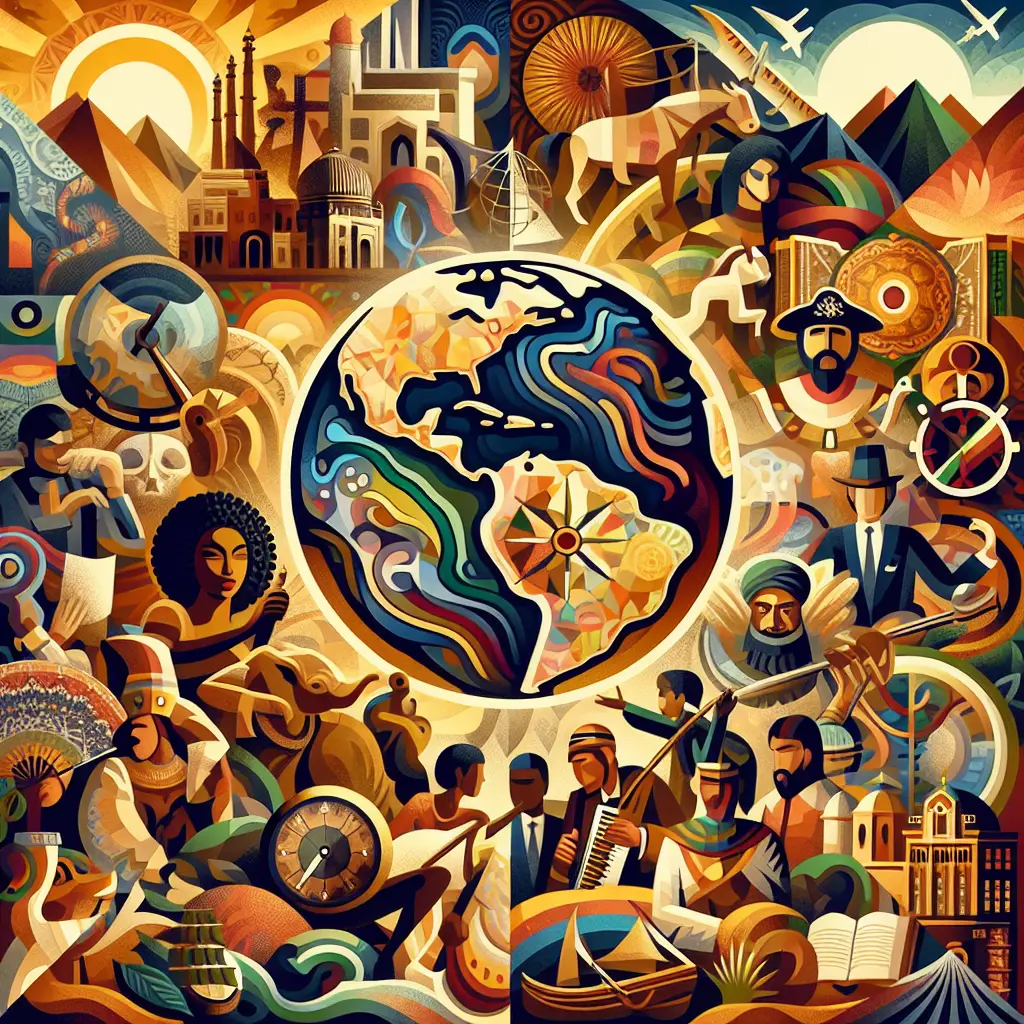
Modern history refers to the period from the late 15th century to the present, marked by significant social, political, and technological changes. The historical and cultural context of this era includes the Renaissance, Enlightenment, industrialization, colonialism, world wars, and globalization. These developments shaped societies, influenced ideologies, and transformed cultural norms, leading to the modern world’s complex political structures, diverse cultures, and interconnected economies.
Modern History: Historical & Cultural Context
Modern history refers to the period from the late 15th century to the present, marked by significant social, political, and technological changes. The historical and cultural context of this era includes the Renaissance, Enlightenment, industrialization, colonialism, world wars, and globalization. These developments shaped societies, influenced ideologies, and transformed cultural norms, leading to the modern world’s complex political structures, diverse cultures, and interconnected economies.
💡 Key Takeaways
- Explain how the Renaissance and Enlightenment laid the groundwork for modern political, scientific, and cultural ideas.
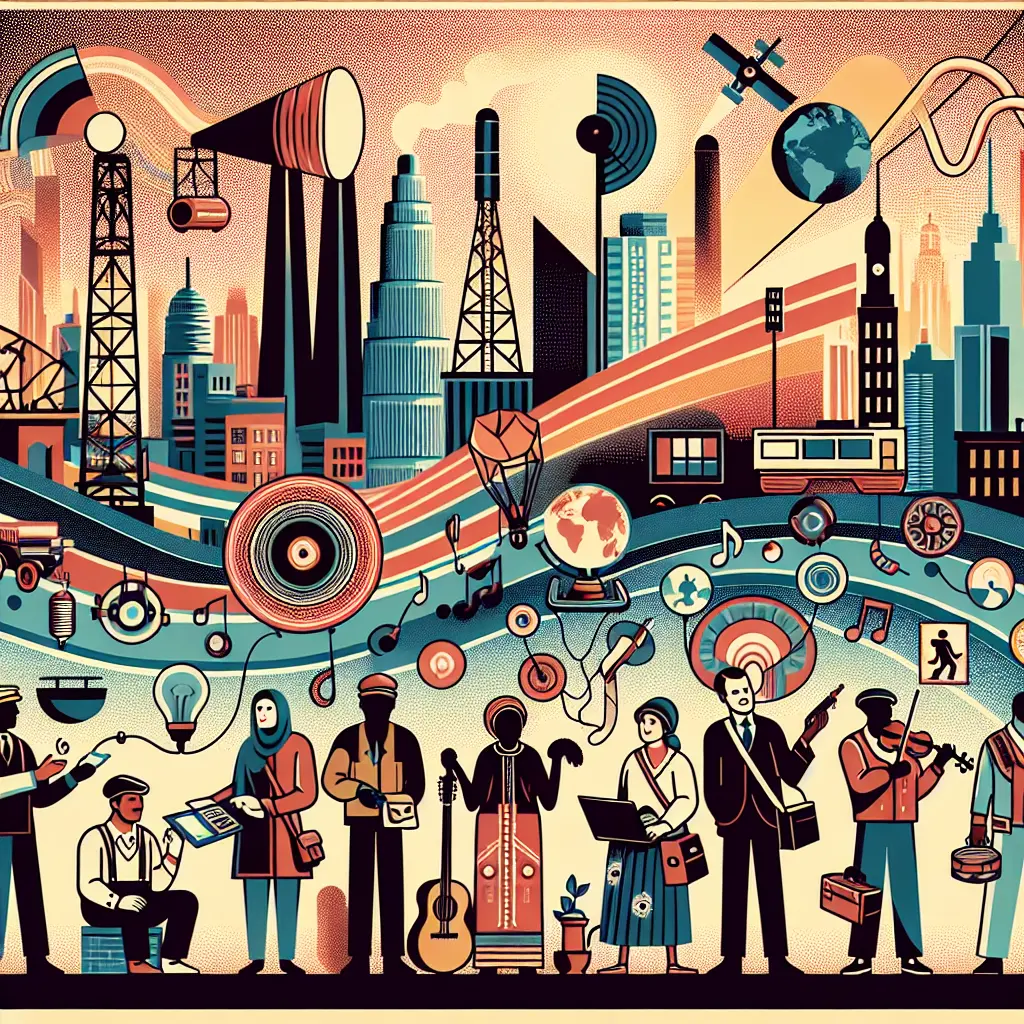
- Describe how industrialization transformed economies, cities, labor, and social structures across regions.
- Recognize the impacts of colonialism, world wars, and globalization on societies and global networks.
- Analyze how modern history's cultural contexts influence present-day world geography and international relations.
❓ Frequently Asked Questions
What is the time frame of modern history?
Modern history generally covers roughly from the late 15th century to the present, marking transitions from early exploration to today’s global age.
Which major movements shaped modern history, and why are they important?
The Renaissance revived learning and humanist thinking; the Enlightenment promoted reason, science, and rights; industrialization transformed economies and societies, laying the groundwork for modern politics and culture.
How did industrialization transform societies in modern history?
Industrialization introduced mechanized production, urbanization, new social classes, and changes in work, politics, and daily life.
How did the world wars and globalization influence the modern world?
World Wars I and II redrew borders, advanced technology and ideologies, and accelerated decolonization; globalization then expanded through trade, institutions, and cross-cultural exchange.