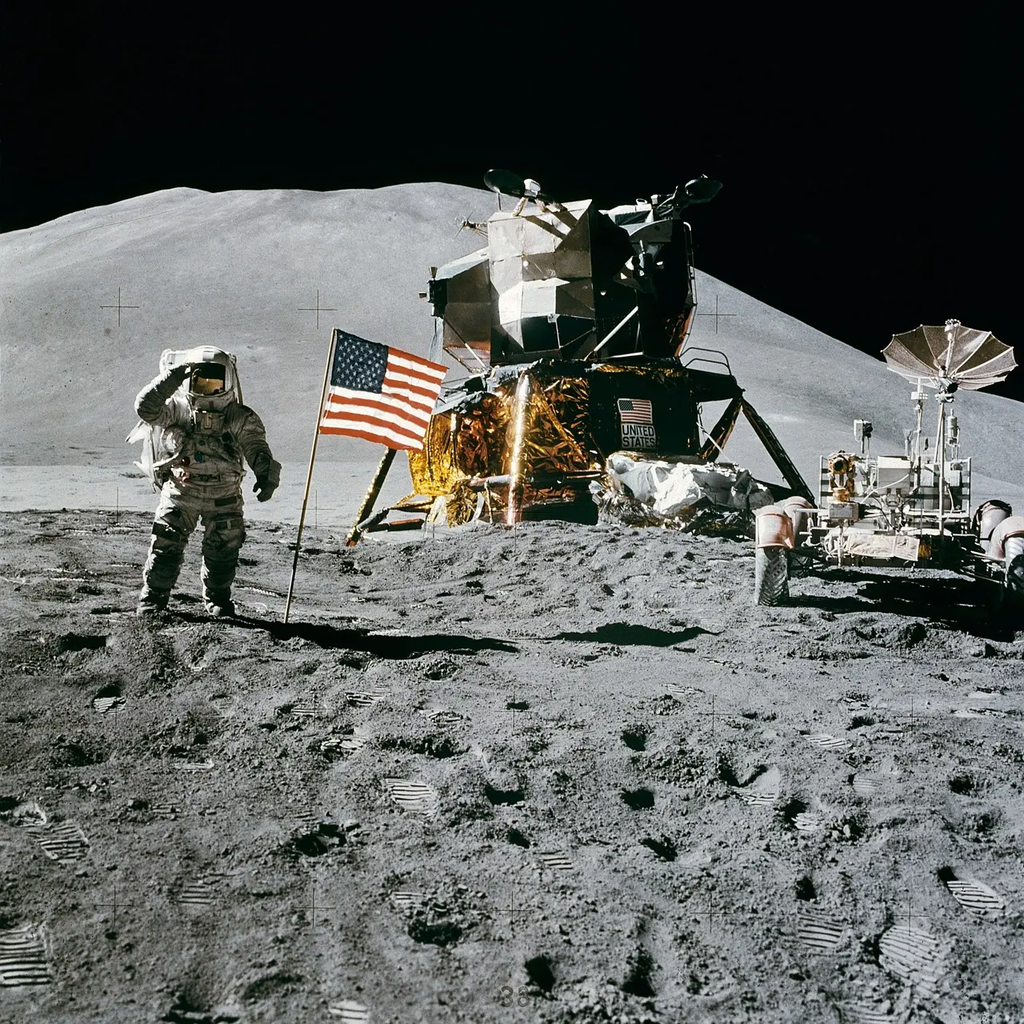
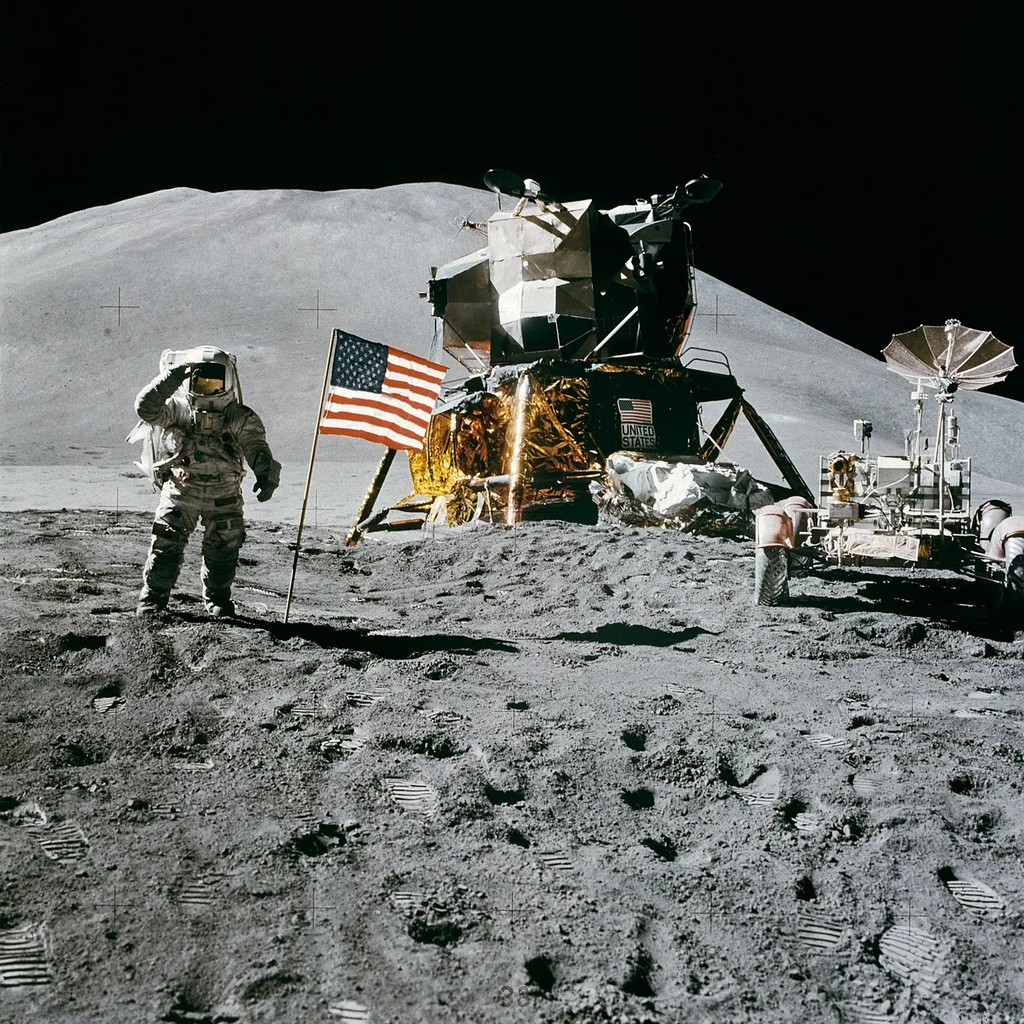
The Moon holds a significant place in space cultural heritage, symbolizing human curiosity, exploration, and achievement. It has inspired myths, art, and literature across civilizations, while serving as the site of landmark events like the Apollo missions. Preserving lunar sites and artifacts is crucial for honoring humanity’s shared history in space, fostering international cooperation, and guiding future exploration. The Moon embodies both scientific progress and cultural legacy in our journey beyond Earth.
Moon's Role in Space Cultural Heritage
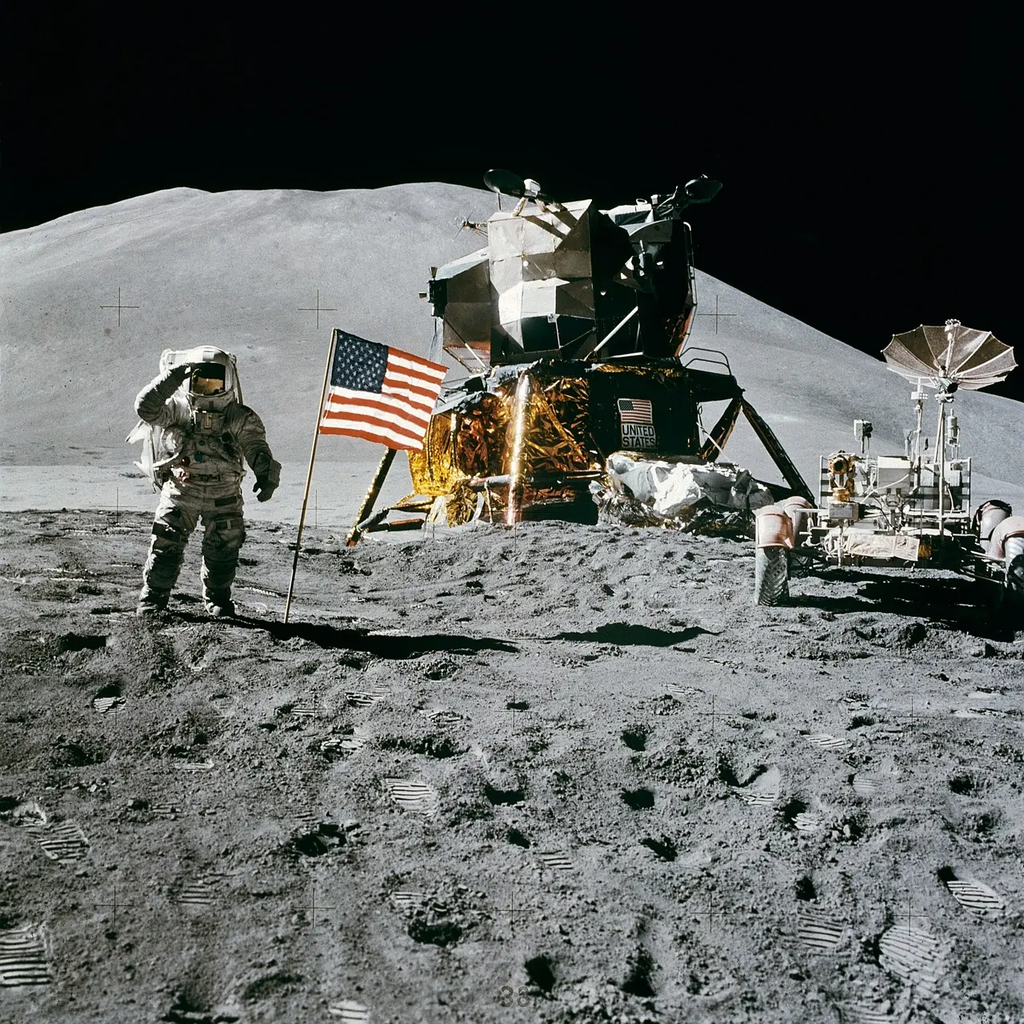
The Moon holds a significant place in space cultural heritage, symbolizing human curiosity, exploration, and achievement. It has inspired myths, art, and literature across civilizations, while serving as the site of landmark events like the Apollo missions. Preserving lunar sites and artifacts is crucial for honoring humanity’s shared history in space, fostering international cooperation, and guiding future exploration. The Moon embodies both scientific progress and cultural legacy in our journey beyond Earth.
💡 Key Takeaways
- See how the Moon has shaped myths, art, and cultural identity across civilizations.
- Understand how lunar exploration anchors space heritage and international cooperation.
- Identify major Moon mission milestones and their impact on science, policy, and commemoration.
- Explore how the Moon inspires education, ethics, and ongoing preservation of space heritage.
❓ Frequently Asked Questions
What is space cultural heritage and how does the Moon relate to it?
Space cultural heritage includes artifacts, sites, stories, and knowledge from human activity in space. The Moon fits because lunar missions, samples, and Moon-inspired art and myths are part of our shared history and spark questions about exploration, science, and identity.
Why are Moon landings considered part of our shared heritage?
Moon landings symbolize human achievement, cooperation, and scientific progress. They produced unique science and experiences that have influenced science, education, and culture, making them milestones worth preserving.
What are some examples of Moon-related heritage?
Examples include Apollo missions and hardware, lunar rocks and data, mission control records, and iconic Earth imagery from the Moon, as well as Moon-inspired art, music, and literature.
How can Moon-related space heritage be preserved for the future?
By documenting mission histories, preserving data and artifacts, and developing guidelines for responsible exploration and education that protect both Earth-based and space-related heritage.