Mountain climbing is a challenging outdoor activity that involves ascending natural elevations, often rugged and steep, using physical strength, endurance, and technical skills. Climbers face obstacles such as rocky terrain, changing weather, and high altitudes, requiring specialized equipment and careful preparation. The activity offers breathtaking views and a sense of achievement, appealing to adventurers seeking both physical and mental tests while connecting with nature in remote, awe-inspiring landscapes.
Mountain Climbing+50
Mountain climbing is a challenging outdoor activity that involves ascending natural elevations, often rugged and steep, using physical strength, endurance, and technical skills. Climbers face obstacles such as rocky terrain, changing weather, and high altitudes, requiring specialized equipment and careful preparation. The activity offers breathtaking views and a sense of achievement, appealing to adventurers seeking both physical and mental tests while connecting with nature in remote, awe-inspiring landscapes.
💡 Key Takeaways
- Understand the physical and technical demands of mountain climbing, including endurance, strength, and rope skills.
- Identify common obstacles such as rocky terrain, changing weather, and high altitude, and how they affect safety.
- Know essential gear and safety practices, including protective equipment, appropriate footwear, and basic safety checks.
- Learn planning and decision-making skills for climbs, including route selection, acclimatization considerations, and when to turn back.
❓ Frequently Asked Questions
What is mountain climbing?
Mountain climbing is an outdoor activity that involves ascending natural elevations using physical strength, endurance, and technical skills, often on rugged terrain and with specialized gear.
What are the common obstacles climbers face?
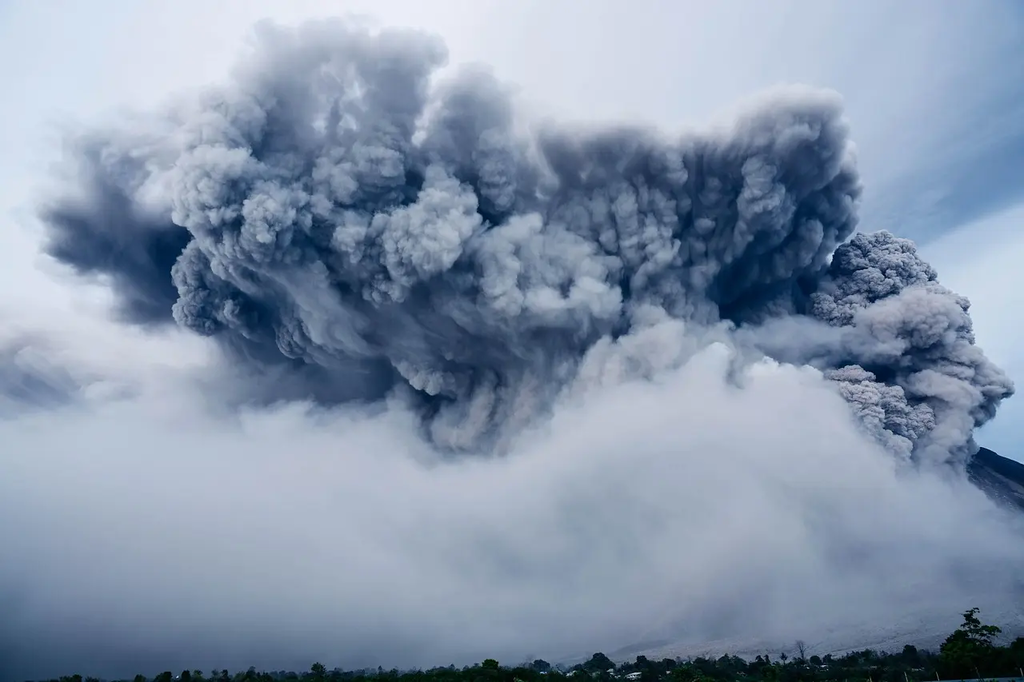
Rocky or icy terrain, changing weather, and high altitude, all of which can affect safety, grip, visibility, and oxygen availability.
What equipment do climbers typically use?
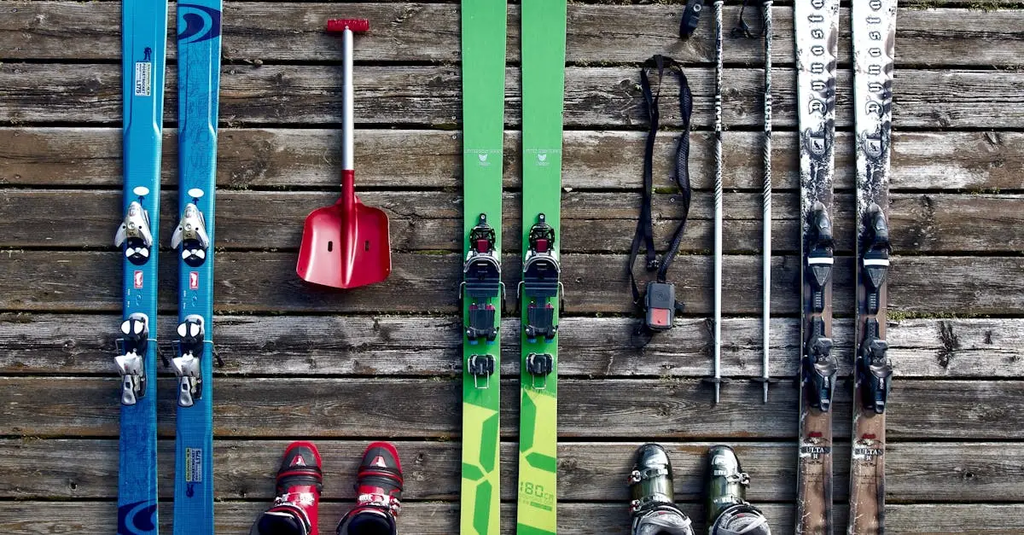
Helmets, ropes and harnesses, carabiners, protection devices, crampons or ice axes, sturdy boots, and weather-appropriate clothing.
Why is altitude awareness important?
At high elevations, thinner air can cause altitude sickness and reduced performance; climbers acclimate and pace themselves to stay safe.