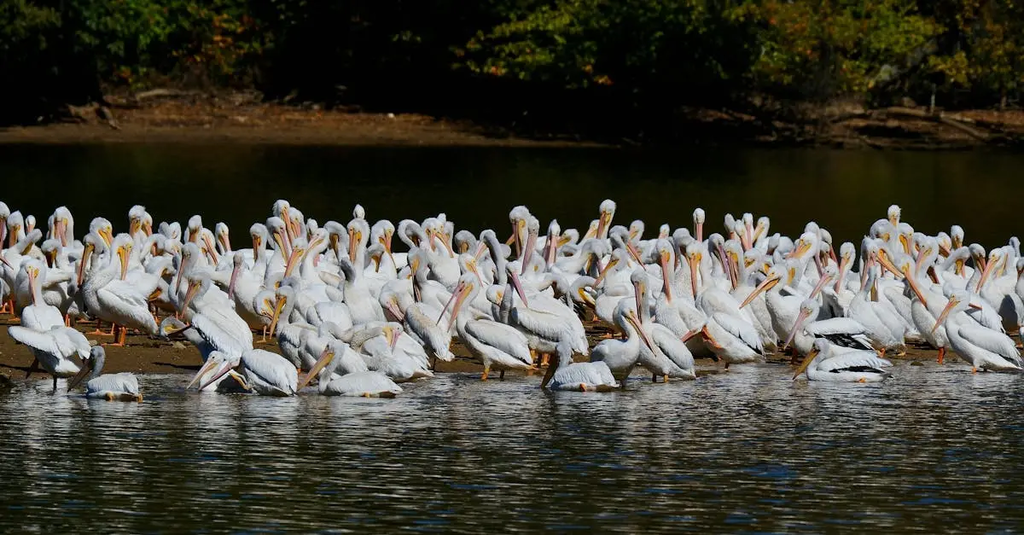
Movement Ecology & Biologging is the scientific study of how and why animals move through their environments, integrating biological, environmental, and technological perspectives. Biologging involves attaching small electronic devices to animals to record data such as location, speed, and physiological parameters. Together, these approaches help researchers understand animal behavior, migration patterns, habitat use, and responses to environmental changes, ultimately informing conservation strategies and ecosystem management.
Movement Ecology & Biologging
Movement Ecology & Biologging is the scientific study of how and why animals move through their environments, integrating biological, environmental, and technological perspectives. Biologging involves attaching small electronic devices to animals to record data such as location, speed, and physiological parameters. Together, these approaches help researchers understand animal behavior, migration patterns, habitat use, and responses to environmental changes, ultimately informing conservation strategies and ecosystem management.
💡 Key Takeaways
- Understand movement ecology basics and why animal movement matters for behavior, ecology, and conservation.
- Learn how biologging works: deploying small devices and the types of data collected (location, speed, physiology).
- See how movement data reveal patterns such as migrations, daily activity, foraging, and habitat use.
- Discuss ethical and welfare considerations when tagging animals and handling biologging data.
❓ Frequently Asked Questions
What is movement ecology?
Movement ecology studies how and why animals move through their environments, integrating biology, environment, and technology to understand movement patterns and behavior.
What is biologging?
Biologging is the practice of attaching small data-recording devices to animals to monitor their location, movement, and sometimes physiology over time.
What types of data do biologgers collect?
Biologgers can record location (GPS), movement (accelerometers/gyroscopes), speed, altitude, temperature, and physiological signals like heart rate, depending on the device.
Why is movement ecology important?
It helps researchers understand habitat use, migration, foraging, and responses to environmental change, informing conservation and animal welfare.
Can movement studies apply to pets?
Yes. Wearable trackers can monitor activity, location, and health indicators in pets, aiding safety, training, and wellbeing.