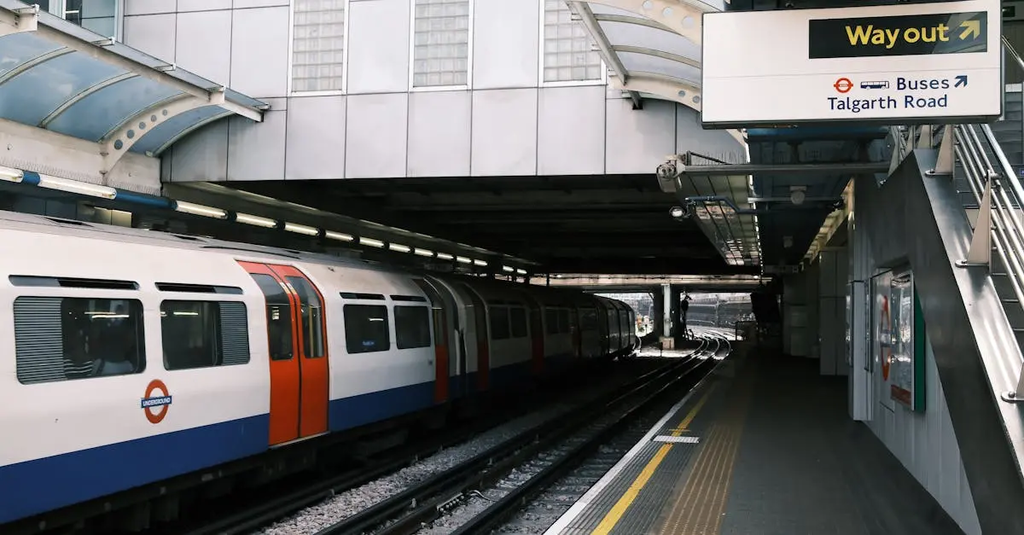
Multimodal transport integration in the UK refers to the seamless coordination of different transportation modes—such as rail, bus, cycling, and walking—within a unified network. This approach aims to simplify journeys, improve connectivity, and enhance convenience for travelers by enabling easy transfers and unified ticketing systems. It supports sustainability goals by reducing reliance on private cars, lowering emissions, and promoting efficient, accessible public transport options across urban and rural areas.
Multimodal transport integration in the UK
Multimodal transport integration in the UK refers to the seamless coordination of different transportation modes—such as rail, bus, cycling, and walking—within a unified network. This approach aims to simplify journeys, improve connectivity, and enhance convenience for travelers by enabling easy transfers and unified ticketing systems. It supports sustainability goals by reducing reliance on private cars, lowering emissions, and promoting efficient, accessible public transport options across urban and rural areas.

💡 Key Takeaways
- Define multimodal transport integration in the UK and its purpose.
- Explain how unified ticketing and smart payments support smoother transfers between rail, bus, cycling, and walking.
- Identify UK examples of integrated networks and interchanges that boost connectivity.
- Outline challenges to integration and the policy tools used to address them.
❓ Frequently Asked Questions
What is multimodal transport integration in the UK?
It is the seamless coordination of rail, bus, cycling, and walking within a single network to make journeys smoother and easier.
Why is multimodal integration beneficial for UK travel?
It simplifies trips, improves connectivity between modes, reduces transfer complexity, and supports convenient, sustainable travel.
What are common examples of multimodal integration in the UK?
Integrated timetables and tickets, journey planners that combine multiple modes, and networks that link rail stations with bus stops, cycle routes, and pedestrian paths.
How can travelers plan a multimodal trip in the UK?
Use a journey planner that combines rail, bus, cycling, and walking options, check transfer times, and look for tickets that cover multiple modes.