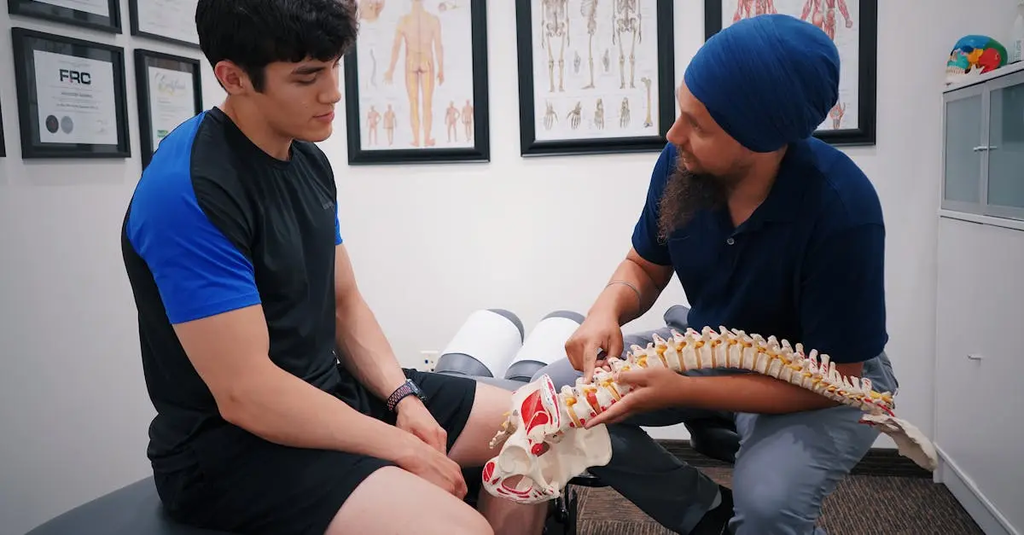
Musculoskeletal anatomy refers to the study of the structure and organization of the muscles, bones, joints, tendons, and ligaments that make up the human body. This system provides support, stability, and movement, enabling actions such as walking, lifting, and maintaining posture. Understanding musculoskeletal anatomy is essential for diagnosing injuries, planning treatments, and improving physical performance, as it reveals how different body parts work together to produce coordinated movement.
Musculoskeletal Anatomy
Musculoskeletal anatomy refers to the study of the structure and organization of the muscles, bones, joints, tendons, and ligaments that make up the human body. This system provides support, stability, and movement, enabling actions such as walking, lifting, and maintaining posture. Understanding musculoskeletal anatomy is essential for diagnosing injuries, planning treatments, and improving physical performance, as it reveals how different body parts work together to produce coordinated movement.
💡 Key Takeaways
- Identify the major components of the musculoskeletal system—bones, muscles, joints, tendons, and ligaments—and their basic roles.
- Explain how muscles contract to create movement and work with bones as levers.
- Describe common joint types and how they enable movement while providing stability.
- Explain how posture and movement are maintained through coordinated function of bones, muscles, and joints.
❓ Frequently Asked Questions
What is the musculoskeletal system?
It’s the body system that includes bones, muscles, joints, tendons, and ligaments, providing support, stability, and the ability to move.
What do tendons and ligaments do?
Tendons connect muscles to bones to produce movement; ligaments connect bones to other bones to stabilize joints.
What is a joint and what types of movement do joints allow?
A joint is where two bones meet and enables movements such as flexion, extension, rotation, and gliding, depending on the joint type (e.g., hinge, ball-and-socket).
How do bones and muscles work together to maintain posture?
Bones provide the framework; muscles contract to hold positions and adjust balance; joints and ligaments stabilize to maintain posture.