Music notation is the visual representation of musical sounds through symbols, allowing musicians to read and perform compositions accurately. Digital engraving refers to the use of specialized software to create, edit, and publish high-quality, professional-looking sheet music. In the context of performing arts and music, these processes ensure precise communication of musical ideas, facilitate collaboration among artists, and support the preservation and dissemination of musical works in both traditional and modern formats.
Music Notation & Digital Engraving
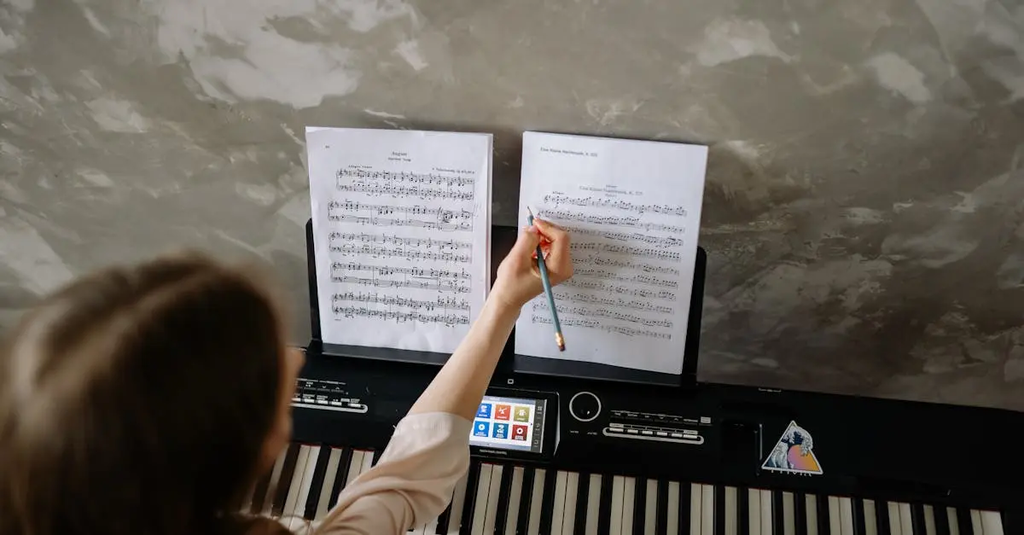
Music notation is the visual representation of musical sounds through symbols, allowing musicians to read and perform compositions accurately. Digital engraving refers to the use of specialized software to create, edit, and publish high-quality, professional-looking sheet music. In the context of performing arts and music, these processes ensure precise communication of musical ideas, facilitate collaboration among artists, and support the preservation and dissemination of musical works in both traditional and modern formats.
💡 Key Takeaways
- Understand basic music notation elements (staff, clefs, notes, rests, time signatures, key signatures).
- Learn how digital engraving software converts notation into clean, printable scores.
- Compare traditional engraving with digital workflows and identify when to use each approach.
- Apply best practices for legibility in engraved scores (spacing, font choices, collision avoidance).
- Know common export formats (PDF, MusicXML, MIDI) and how to share or reuse scores.
❓ Frequently Asked Questions
What is music notation?
A system of symbols (notes, rests, clefs, dynamics) that tells musicians what to play, when, and how loudly or softly.
What is digital engraving in music?
Using software to lay out and render musical scores for print or digital viewing with proper spacing and typography.
How are notation and engraving related?
Notation provides the symbol language; engraving is the process of arranging those symbols on the page for readability.
Which tools are commonly used for digital engraving?
Dorico, Sibelius, Finale, MuseScore, and LilyPond are popular programs that produce professional scores.