Net Art and Virtual Reality refer to artistic practices that utilize the internet and immersive digital environments as creative mediums. Net Art involves artworks created, distributed, or experienced through the web, often emphasizing interactivity and connectivity. Virtual Reality, on the other hand, allows artists to build immersive, three-dimensional spaces where viewers can interact with digital elements, blurring the boundaries between the physical and virtual worlds and expanding possibilities for artistic expression.
Net Art and Virtual Reality
Net Art and Virtual Reality refer to artistic practices that utilize the internet and immersive digital environments as creative mediums. Net Art involves artworks created, distributed, or experienced through the web, often emphasizing interactivity and connectivity. Virtual Reality, on the other hand, allows artists to build immersive, three-dimensional spaces where viewers can interact with digital elements, blurring the boundaries between the physical and virtual worlds and expanding possibilities for artistic expression.
💡 Key Takeaways
- Net Art uses the internet as its medium for creation, distribution, and experience.
- Interactivity and connectivity are core traits of Net Art, often challenging traditional gallery norms.
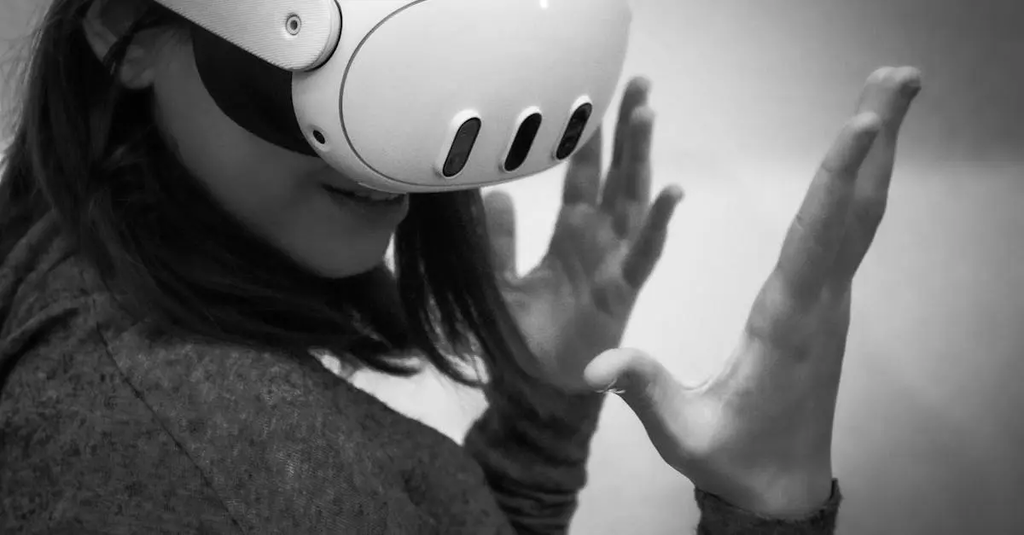
- Virtual Reality creates immersive, embodied experiences in digital environments through VR devices.
- Web-based platforms can host or deliver VR artworks, blending online distribution with immersive experiences.
❓ Frequently Asked Questions
What is Net Art?
Net Art refers to artworks created, distributed, or experienced primarily through the internet, emphasizing interactivity, connectivity, and online distribution.
What is Virtual Reality in art?
Virtual Reality in art uses immersive, computer-generated 3D environments that users explore with VR gear, emphasizing presence, interaction, and spatial experience.
How do Net Art and VR differ?
Net Art is tied to the web and networks, often browser-based and distributed online, while VR provides an immersive, headset-based spatial experience; Net Art can be non-immersive, and VR is designed for immersion.
Why are Net Art and VR significant in art history?
They expand what counts as art, challenge traditional authorship and spectator roles, reflect digital culture, and push boundaries by enabling online access and immersive experiences.
What tools are commonly used for Net Art and VR?
Net Art often uses web technologies (HTML/CSS/JavaScript/WebGL) and online platforms; VR typically uses game engines (Unity/Unreal), VR headsets, and 3D modeling tools.